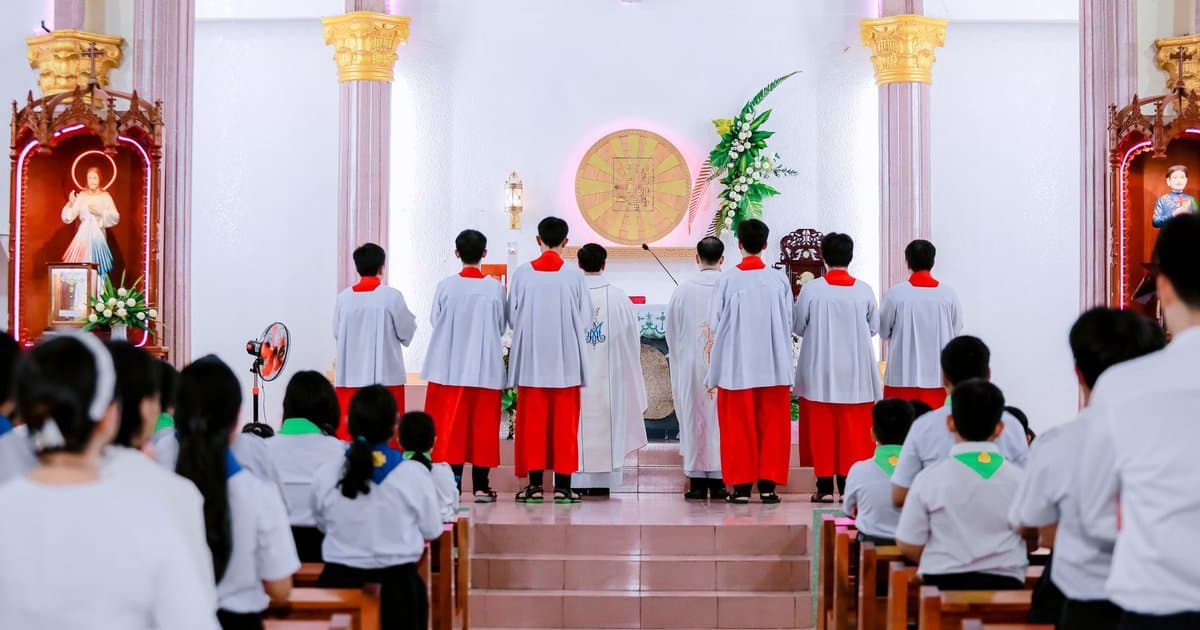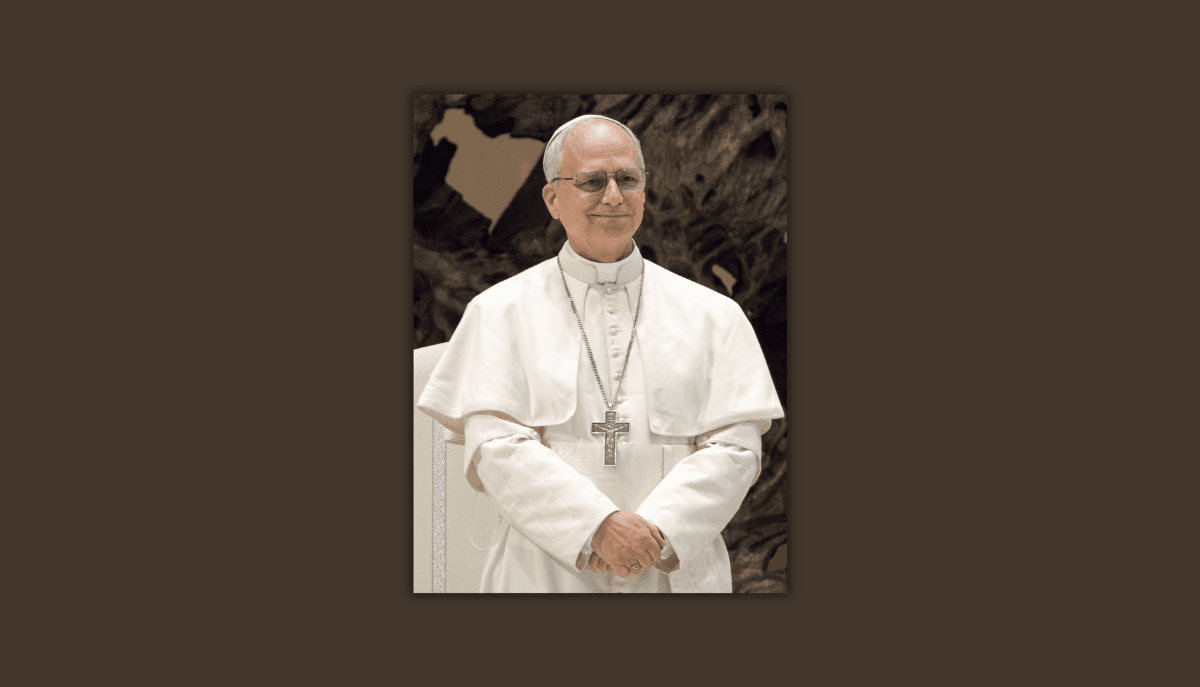
Pope Leo XIV stood in St Peter's Square on April 12 and said something that used to be taken for granted in Catholic teaching and has quietly become controversial. He said the Sunday Eucharist is indispensable for Christian life. He explained that faith needs to be nourished and sustained, and that believers encounter the risen Christ through regular participation in the Eucharist. The statement is simple on the surface. The implication is sharper than it reads.
For most of the last two generations, churches across almost every Christian tradition have softened the language around weekly attendance. Protestant pastors talk about the importance of community without insisting on a specific rhythm. Catholic parishes have watched mass attendance drop from roughly 75 percent of registered parishioners in 1960 to under 20 percent in many dioceses today. Evangelical churches have traded regular attendance for online access, small groups on other nights of the week, and a more flexible definition of what it means to be part of the body.
The shift happened for real reasons. Work schedules changed. Youth sports moved to Sundays. Families got more fragmented. Church leaders, not wanting to drive people away, stopped pressing the point. Grace, not obligation, became the organizing principle. That shift has done some good. Nobody benefits from a guilt driven religion that makes people show up out of fear. But the unintended consequence is a generation of believers who love Jesus but have almost no anchor in the weekly practice that the church has always considered the center of formation.
Pope Leo's statement is not a novelty. It is a restatement of what the Catholic Church has taught for centuries and what most Christian traditions have affirmed in their historic creeds. What makes the statement fresh is who is saying it and when. Leo XIV has been pope for under a year. He has already established himself as a pastor who leads with warmth and prays with people where they are. He is not known as a disciplinarian. When a pope with that posture says something is indispensable, the word carries weight because it is not his default vocabulary.
For Protestant and evangelical readers who are not Catholic, the theological details around the Eucharist differ. But the broader principle holds across traditions. Regular gathered worship with actual people in a physical room, hearing the Word preached, participating in the sacraments or ordinances your tradition practices, singing together, and being reminded that you are not alone in your faith is irreplaceable. Podcasts are good. Sermons online are good. Small groups on Thursday nights are good. None of them replace Sunday.
The data on this is clearer than most pastors want to admit. A Barna study released in 2024 found that Christians who attend weekly worship in person report significantly higher rates of prayer, scripture reading, generosity, and service compared to those who attend monthly or engage primarily online. The correlation holds across age groups, denominations, and income levels. Regular attendance is not a proxy for faith. It is a catalyst.
The same study showed that younger believers who grew up attending weekly are the most likely to stay connected to their faith into their twenties and thirties. The predictive factor is not theological sophistication or youth programming quality. It is simply whether the family made it a non negotiable. Parents who treat Sunday as an option their children can opt out of are creating the conditions for their kids to opt out of faith entirely by the time they leave home.
The practical question for individual believers is whether you are treating worship as a rhythm or as a choice you make each week. A rhythm is something you do because you always do it. A choice is something you have to re decide every time the weather is nice, the week was hard, or a friend invited you out of town. Rhythms hold up over decades. Choices get worn down.
For pastors, the harder question is whether you have been afraid to say what Pope Leo just said out loud. Afraid that you will sound legalistic. Afraid that people will leave. Afraid that insisting on regular attendance will feel too demanding in a culture that has trained everyone to treat commitment as optional. The truth is that the people who are leaving are already leaving. What is being lost in the softening is the clarity that helps the people who stay actually grow.
Leo XIV is not starting a new teaching. He is returning to an old one. Sometimes that is the most countercultural thing a leader can do.
The question the statement leaves with the rest of us is quieter. What would change in your walk with God if you made Sunday worship indispensable again?