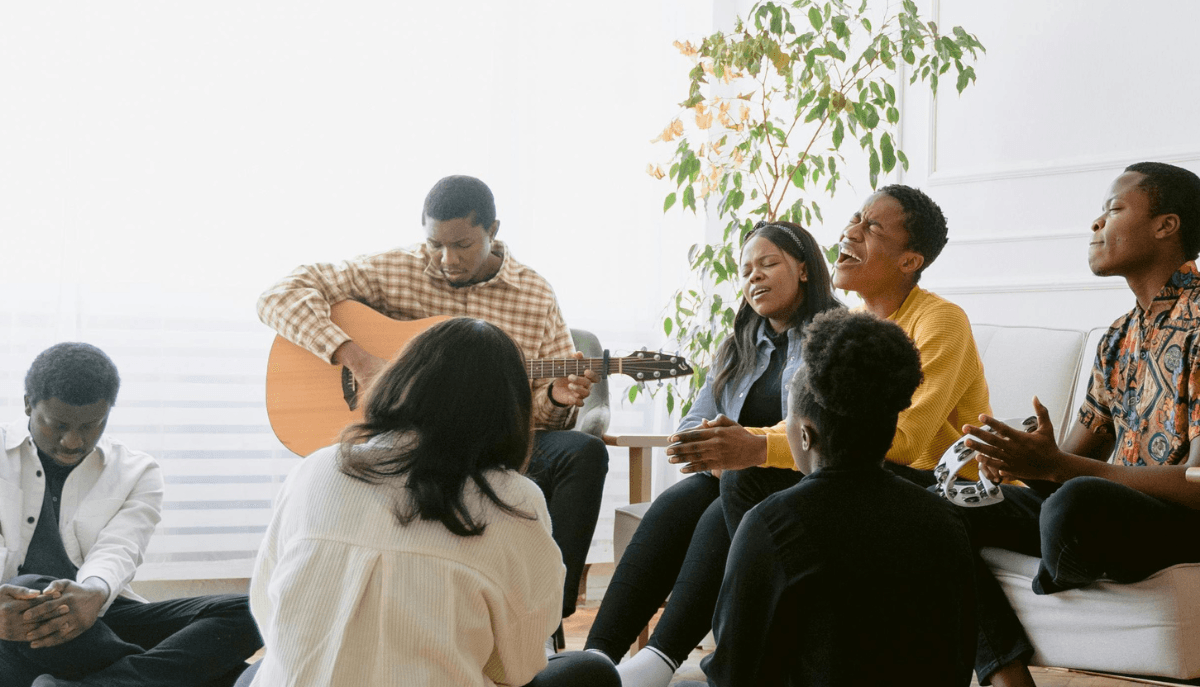
Somewhere in every American city right now, a group of eight or twelve people is sitting in someone's living room with an open Bible, a pot of coffee, and a conversation that has been building for weeks. This is what the house church movement looks like in 2026. It does not compete with Sunday morning attendance. Most of the people participating in these gatherings still go to their regular church. The homes where they meet are not breakaway congregations. They are something older and simpler. A return to the pattern described in the book of Acts, where believers gathered in homes, broke bread together, and let the teaching of the apostles shape their daily lives.
The quiet growth of these gatherings has been easy to miss because they do not show up in attendance statistics. They do not have websites. They do not advertise. The data we do have suggests the trend is substantial. A 2026 Barna report on informal Christian gatherings found that roughly one in four active churchgoers now participates in a weekly or biweekly gathering of some kind in a home setting in addition to their main Sunday service. That number has grown from one in seven just five years ago. The pattern is strongest among adults under 40 and among church members who describe themselves as hungry for deeper relationships and more specific discipleship.
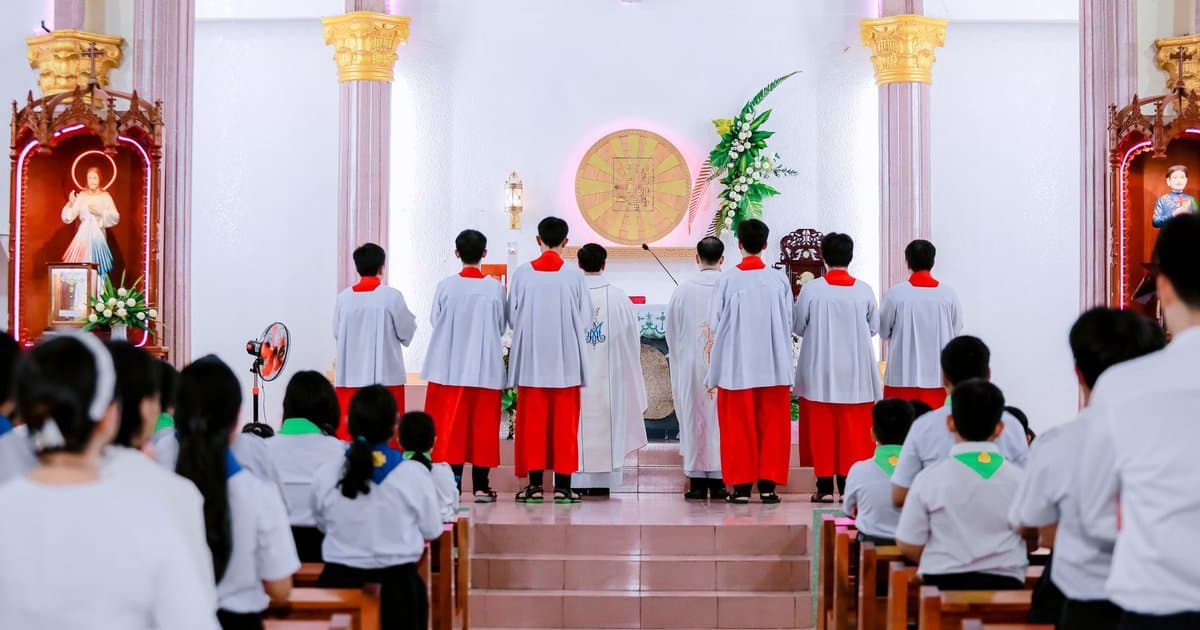
There are real reasons this is happening now. Sunday services at larger churches have become more produced, more attended, and in some cases less personal. That is not a criticism of what those churches do on Sunday. Many of them are doing the best they can with the attendance levels they now serve. But a 2,000-seat auditorium with a forty minute message and a ten minute worship set does not create room for the kinds of conversations that happen naturally around a kitchen table. People who want to talk about specific struggles in their marriages, specific temptations they are fighting, and specific questions about scripture they are working through are looking for a different setting. House churches fill that need.
The format varies, but most groups share common elements. There is usually scripture reading. There is usually prayer, often out loud and often specific. There is usually a meal or at least coffee and food. There is almost always some accountability component, whether formal or informal, where members check in on how they have been doing spiritually, emotionally, financially, and relationally since the last gathering. What is striking is how many groups are led by people who have no seminary training and no pastoral credentials. They are teachers, engineers, plumbers, stay-at-home mothers, and small business owners who have been reading their Bibles carefully and decided to start gathering others who wanted to do the same.
Church leaders are responding in different ways. Some pastors see the trend as a threat to institutional church life and a risk to biblical accuracy in teaching. That concern is not unreasonable. Informal gatherings without pastoral oversight can drift into error, especially when charismatic personalities take over or when popular but unsound authors shape the teaching direction. Other pastors see the movement as the natural complement to Sunday services and have begun actively equipping people in their congregations to lead house gatherings well. These pastors point to historical moments when house gatherings sustained the faith through persecution or institutional decline. They argue that a healthy church in 2026 should be stronger because of what happens in homes, not weakened by it.
The movement is also happening in Haitian, African, and Caribbean immigrant communities in American cities in ways that may not register with mainstream evangelical reporting. In Nashville, Atlanta, Miami, Boston, and the New York metro area, first and second generation believers are gathering in homes in part because their Sunday services are run in a language older family members speak but they do not. They want the same faith their parents carry but in a format they can participate in fully. These gatherings tend to be bilingual, relationally intense, and centered around specific issues that matter in immigrant families, including work pressure, parenting across cultures, and navigating long seasons of separation from extended family back home.
The practical question for any reader thinking about joining or starting one of these gatherings is how to do it without it becoming something hollow. The answer most experienced leaders give is to keep it small, keep it consistent, and keep it centered on scripture rather than on personalities. Five to twelve people is the range that seems to work. Meeting weekly is better than monthly. Reading through one book of the Bible slowly together tends to produce more fruit than jumping around between topics. Inviting older, more mature believers into the group, even just as occasional visitors, helps keep the teaching on track. Accountability needs to be real but not forced.
What this movement signals about the broader state of American Christianity is worth sitting with. People are not leaving the church in the way some headlines suggest. Many of them are staying in their churches and adding a second layer of gathering that meets needs their Sunday services cannot fully meet. That is not an institutional failure. It is a return to something older and arguably healthier. The earliest believers met in homes because they had to. Modern believers are meeting in homes because they want to. The end result looks similar. Faith deepens in rooms where people can see each other's faces and speak honestly about what they are carrying.