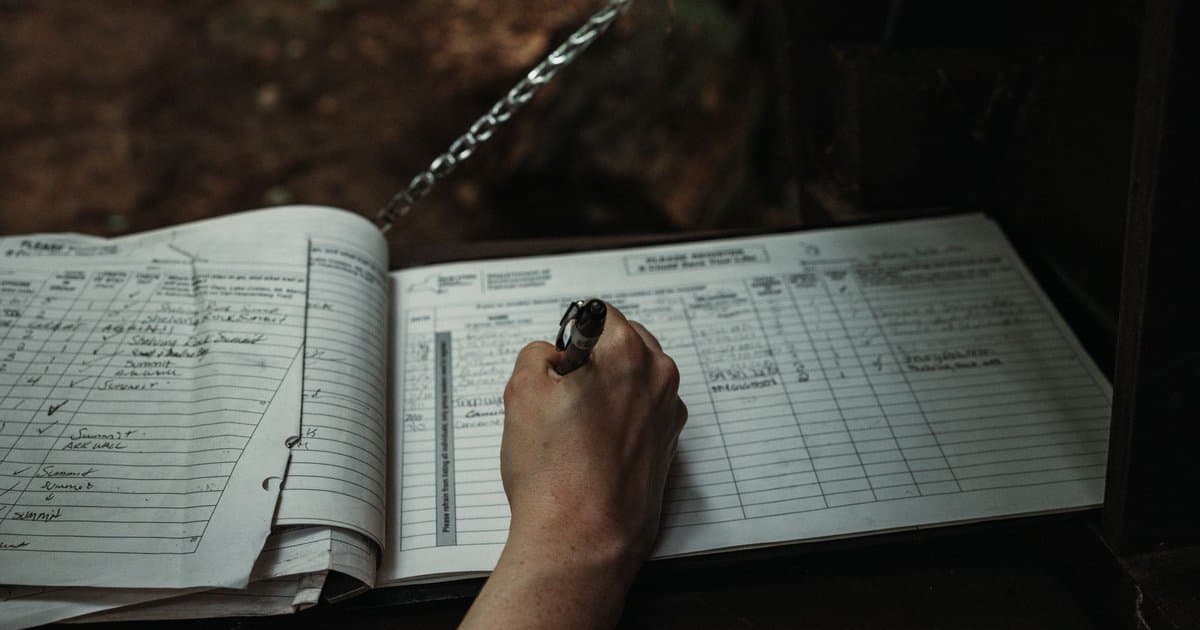
Ask people how they landed their last job and you hear the same few answers. A friend told them, someone knew someone, or a name came up at the right time. What you rarely hear is that it came from a job board alone. There is real research behind this pattern, and it points somewhere surprising. The people who help you most are usually not your closest friends. They are the loose acquaintances at the edge of your circle.
A sociologist named Mark Granovetter studied this decades ago and gave it a name. He called it the strength of weak ties. He found that most people who changed jobs through a contact heard about it from someone they saw rarely. Not a best friend, not a daily coworker, but a distant link. The idea sounded odd at first and has held up well since. Newer studies on large networks have backed the core of it.
The logic is simpler than it seems. Your close friends know the same things you know. You share the same circle, the same news, and often the same job leads. A weak tie lives in a different world with different information. They hear about openings you would never see and meet people you do not know. So a quick word from them can open a door your inner circle cannot. Distance is exactly what makes the tip valuable.
This changes how smart networking should look. Pouring all your energy into a few close contacts gives you a narrow view. The wider move is to stay lightly connected to many people across many worlds. Old classmates, former coworkers, and people from past projects all count. You do not need deep friendships with them. You just need a live thread that lets news travel both ways.
The good part is that weak ties are cheap to keep. A short note once or twice a year is often enough. Congratulate someone on a new role or share an article they would like. Comment on their post with something real, not just a quick tap. These small touches keep you on the map when they hear of an opening. The goal is to be remembered, not to be close.
Networking works better when you lead with help, not need. Reaching out only when you want a job feels hollow and people sense it. Offer a lead, an intro, or a useful link before you ever ask for one. A tie you have helped is far more likely to think of you later. Value that flows both ways is what keeps a loose link alive. Treat it as a habit, not a rescue plan for bad months.
The internet made weak ties easier to keep than ever. A single feed lets you stay loosely linked to hundreds of past contacts. That reach is real, but only if you actually show up now and then. A profile you never touch is a tie that slowly goes cold. Post something useful, react to real news, and answer messages like a person. The tools do the reach, but you still have to bring the presence.
You can also grow your weak ties on purpose. Go to one event outside your usual crowd each season. Say yes to the coffee with a friend of a friend. Join a group tied to your field and actually speak up in it. Each new face is a possible bridge to a world you cannot see yet. You are not collecting business cards for show. You are building quiet paths that news can travel down when you need it.
Reaching back out after years of silence feels awkward, but it rarely is on the other end. Most people are glad to hear from someone who once shared a class or a project. Keep the first note short and warm, and do not open with a favor. Mention how you know them and something specific you remember. Ask a real question about what they are working on now. If they reply, keep it light and let a real thread build over a few messages. You are not asking for a job, you are just turning a cold tie warm again. The awkward feeling fades the moment they write back.
The hidden truth is not that networking works, since everyone says that. It is that the useful part comes from the edges, not the center. Your next role may arrive through someone you barely know and rarely see. So spread your attention wide instead of deep. The point is not to have fewer close friends, since those matter for their own reasons. It is to keep a wide edge of loose ties alive at the same time. Keep many small threads warm and lead with what you can give. When the time comes, one of those loose links may hand you the opening you were hunting for.