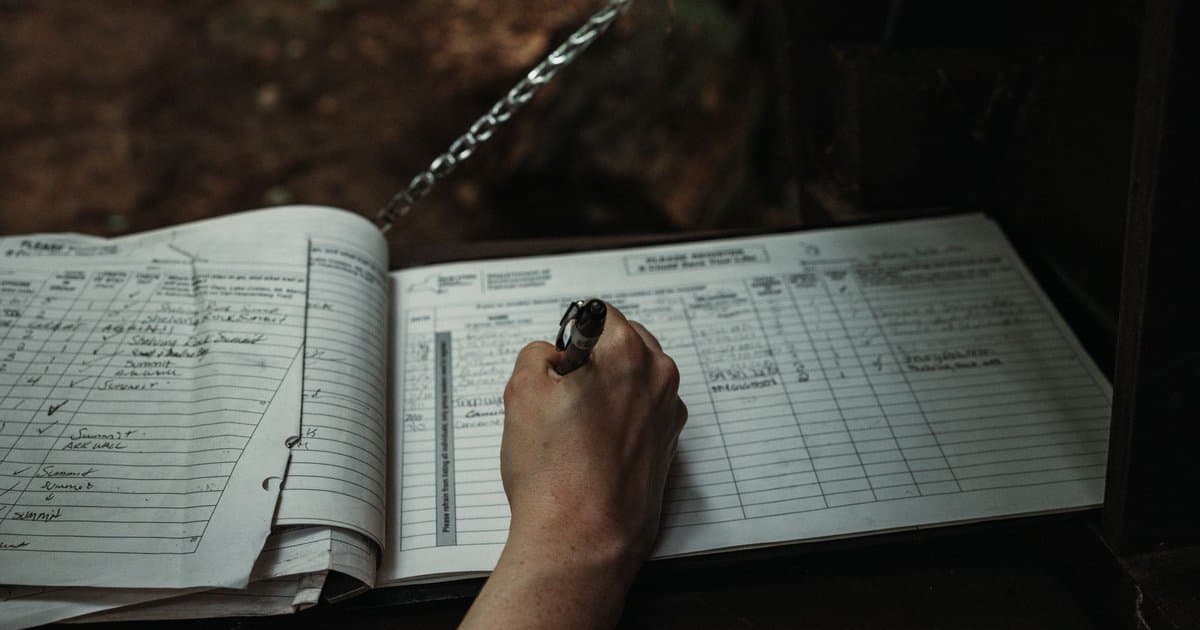
Once a year your manager sits you down and asks a version of the same question. What did you get done this year, and why should we reward it. It sounds fair, and it should be easy to answer. Yet most people freeze. They can name what they did last week, maybe last month, but the big win from last spring is a blur. So the question just sits there. When was the last time you could actually list your own wins from memory, on the spot, without scrambling?
The blank is not a sign that you did nothing. It is just how memory works. Your brain holds onto the recent and lets the older stuff fade, even when the older stuff was your best work. By December, the project that saved the team back in March feels like ancient history. The late nights, the problem you fixed, the client you saved, they all blend into a fog. You are not lazy or forgetful. You simply never wrote any of it down while it was still fresh in your head.
That fog costs you real money and real chances. Raises, bonuses, and promotions do not go to the people who worked hardest. They go to the people who can show what their work was worth. If you cannot point to clear wins with numbers attached, your manager fills the gap with a vague sense of you. Meanwhile the coworker who kept receipts walks in with a tidy list of impact. Same effort, very different outcome, and the only real difference is that one of you kept a record.
The fix is almost too simple to believe, and it has a plain name. Keep a wins log. It is nothing more than a running document where you jot down what you got done as it happens. A note, a doc, a spreadsheet, whatever you will actually open and use. Every time you finish something that mattered, you add a line to it. Over a year that quiet little file becomes the strongest case for your own value that anyone could ever hand you.
What goes in it is the good stuff, told with proof. Write the project you shipped and the result it drove. Write the number if you have one, like time saved, money earned, or errors cut. Write the hard problem you solved and exactly who it helped. Save the kind words too, the email where a client or a boss praised your work, copied in word for word. Add the new skills you picked up. Facts and numbers speak far louder than a vague feeling at review time.
The habit only works if it is easy, so keep it light. Block five minutes every Friday before you log off for the week. Ask what you moved forward that week and drop a line or two in the file. That is the whole practice, start to finish. It is small enough that you will not dread it and steady enough that nothing important slips through. By the end of the quarter you will have a page that would have taken you hours to rebuild from memory, if you could even rebuild it at all.
When it pays off, it pays off big. Walk into your review with a clean list of wins and the whole talk shifts in your favor. Ask for a raise and you are backed by proof instead of hope. Update your resume and the lines almost write themselves, since the numbers are already sitting there. Sit for an interview and you have real stories ready to tell. On a rough day, reading your own list of wins can even remind you that you are better at this than you feel.
So the question is worth sitting with for a second. Could you list your best work from the past year right now, with numbers, without scrambling for it. If the answer is no, you are leaving money and standing on the table for no good reason. Start the file today and add just one line. Keep it up for five minutes a week. When review season rolls around, you will be the person who walks in with the receipts, and that person tends to get paid.