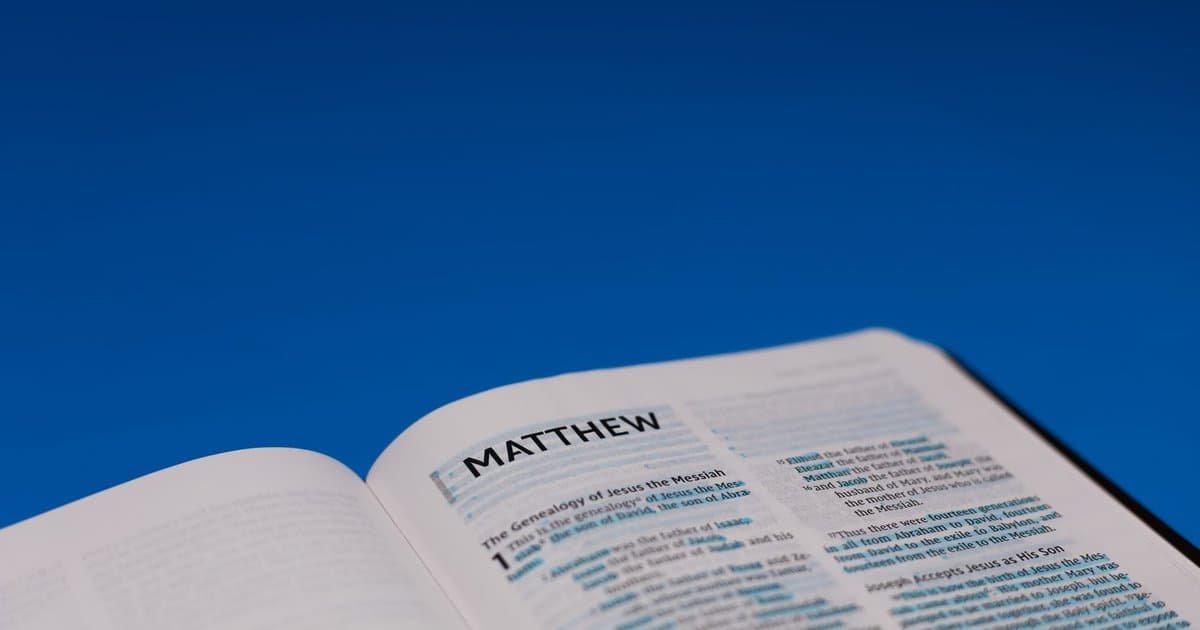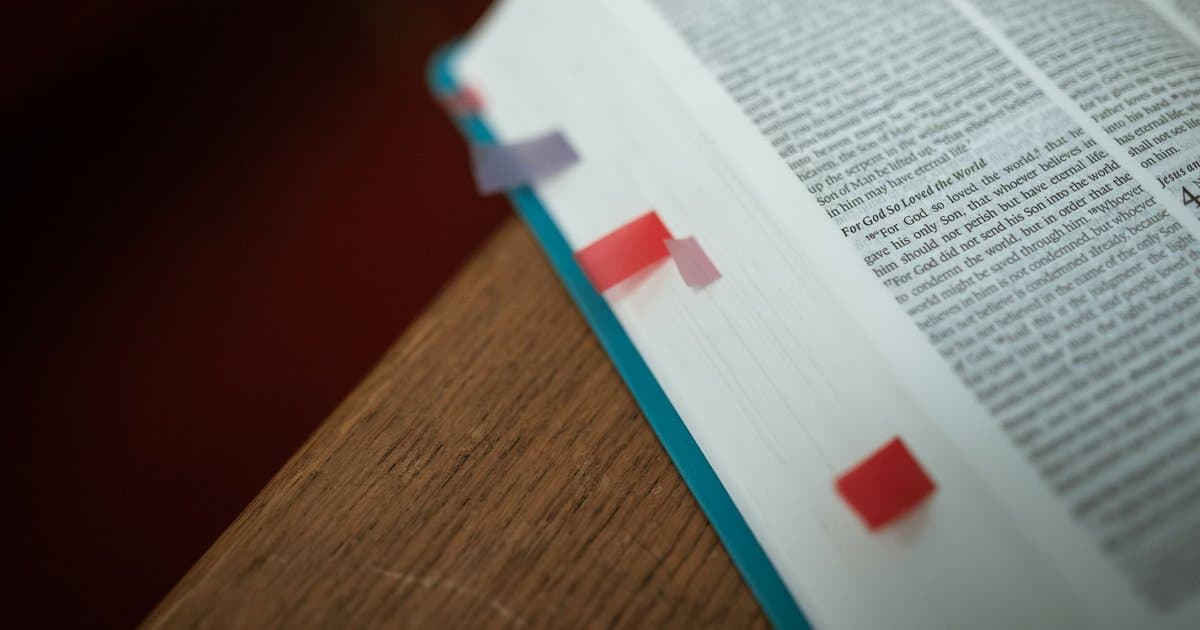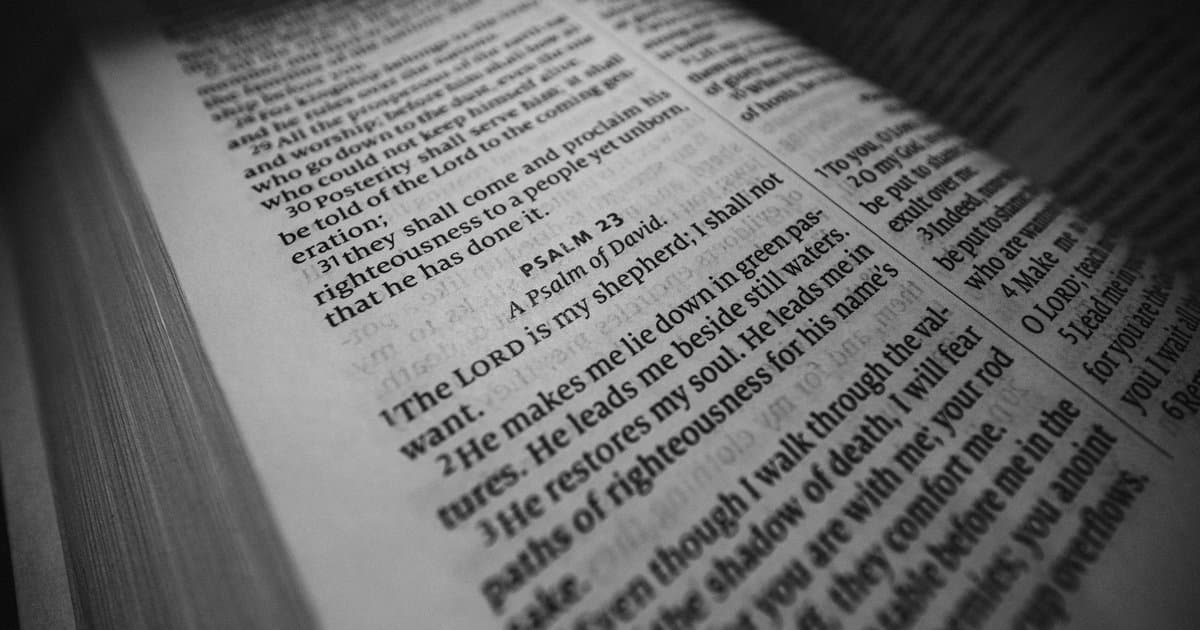
Open almost any Bible today and you see a tidy grid of chapters and verses. John chapter three, verse sixteen sits in its own little box, ready to quote at a moment's notice. That grid feels as old as the text itself, like it came down from the very start. It did not. For most of its history, the Bible had no chapter numbers and no verse numbers at all. The letters, gospels, and prophets were written as flowing text, paragraph after paragraph, the way you would write a long letter to a friend. Readers followed the argument from front to back because there was no other way to find their place. The numbering you lean on now is a much later invention. Knowing when it arrived quietly changes how you read.
The chapter divisions we use are usually credited to Stephen Langton, a scholar who later became Archbishop of Canterbury. He worked out his system around the year 1227, more than a thousand years after the New Testament was finished. His goal was practical, not spiritual. Teachers and students needed a shared way to point to the same passage without copying it out by hand every time. Chapters gave them that, and the idea spread fast because it was so useful. Before long, nearly every copy carried the same chapter breaks. That is why a reader in Rome and a reader in England could finally land on the same page. The divisions solved a real problem, but they were a study tool laid on top of the text, not a part of it.
Verse numbers came even later than the chapters. A Paris printer named Robert Estienne, also known as Stephanus, numbered the verses of the Greek New Testament in 1551. A few years after that, numbered verses covered the whole Bible from front to back. The story goes that he marked many of them while traveling by horseback between cities, which may explain a few of the odd breaks. Once printing presses took hold, those numbers locked into place across languages and editions. Suddenly you could cite book, chapter, and verse, and anyone could follow along. That precision made concordances, cross references, and sermons much easier to build. It also quietly trained people to read the Bible in tiny numbered pieces.
Here is where the history starts to matter for how you read. When every sentence has its own number, it becomes easy to pull one out and treat it as a standalone rule. That habit has a name, proof-texting, and it is one of the most common ways people misread scripture. A verse that was one beat in a long argument gets quoted as if it were the whole point. The paragraph around it, which sets the meaning, drops away without anyone noticing. Chapter breaks can do the same damage when they land in the middle of a thought. A story that runs straight through gets split, and readers stop at the number instead of the idea. The grid that helps you find a passage can also chop it into confetti.
The fix is not to throw the numbers away. They are too useful for finding your place and sharing it with other people. The fix is to remember what they are and read past them. The first readers received these words as whole letters and complete accounts, meant to be heard start to finish. A church in Corinth did not skip to a verse and stop there. Someone stood up and read the entire letter aloud while everyone else listened. You can get closer to that experience by reading a full chapter, or a full book, in one sitting. When you do, verses that felt like slogans settle back into the flow that gave them meaning.
Try a small experiment with a passage you think you know well. Read the ten verses before it and the ten after, ignoring the numbers as much as you can. Watch how the surrounding lines shift what the famous verse is actually saying. Often the meaning gets richer, and sometimes it gets gently corrected. This is not a knock on chapters and verses, which serve a real and lasting purpose. It is a reminder that they are a map, and the map is not the same thing as the ground. The text came first, whole and connected, and it still rewards being read that way. Once you see the grid for what it is, you stop letting the numbers do your thinking for you.