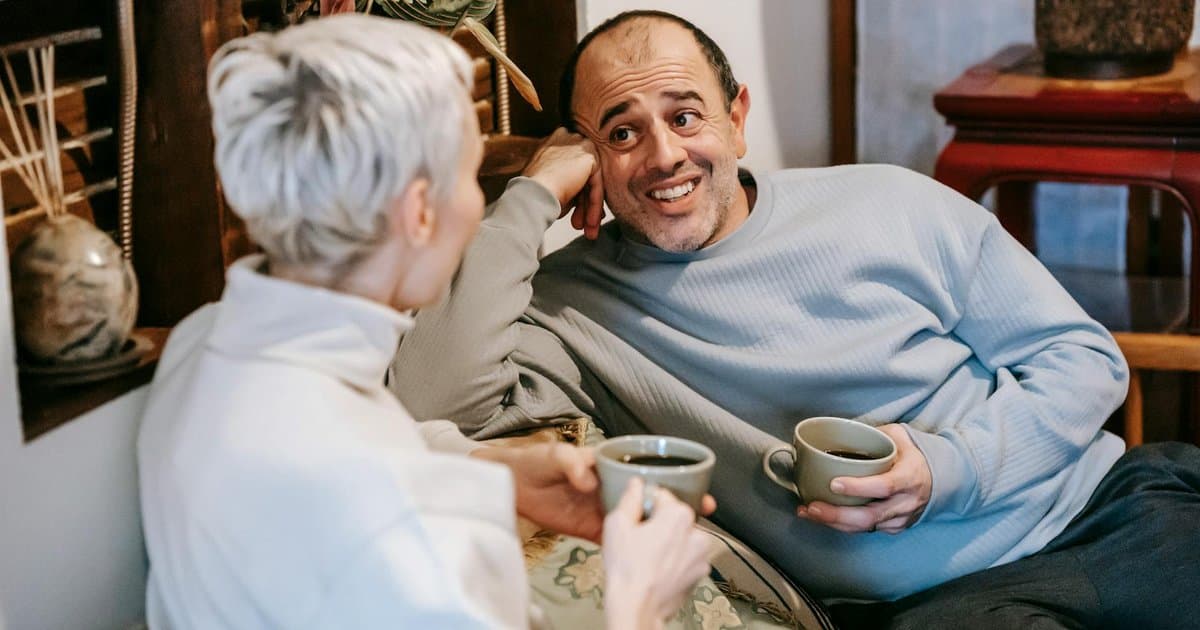
There is a quiet conversation happening in clinics about something that does not look like a clinical problem at first. Patients in their late twenties through their early forties are showing up with anxiety, low energy, mid range blood pressure creep, poor sleep, and a faint sense of being constantly behind. The bloodwork comes back unremarkable. The therapy is helping in places but not moving the needle on the symptoms. The intake forms look pretty normal until a clinician asks one specific question and watches the answer land. The question is, when is the last time you spent four uninterrupted hours with a friend you were not paying or working for?
Surgeon General Vivek Murthy named loneliness as a public health concern in 2023, and the research base behind it has gotten harder to argue with each year since. Published meta analyses now associate social isolation with substantial increases in all cause mortality and cardiovascular mortality. Other recent studies have found that adults reporting fewer than one in person friendship contact per week often run resting blood pressure measurably higher than peers with three or more weekly contacts. The mechanism is partly cortisol, partly inflammation, partly the basic fact that the human nervous system was built to regulate against another nervous system in the same room. None of that is fixed by text threads, group chats, or social media engagement. The studies are clear that those substitutes correlate with worse outcomes, not better ones.
The stakes here are not abstract. Adults who let friendship volume drift below two or three real contacts a week for a couple of years tend to experience a measurable decline in mood, sleep quality, stress tolerance, and even immune function. Therapists report that clients who would otherwise be ready to graduate from active treatment plateau on friendship deficits. Primary care physicians report that medications for blood pressure, sleep, and anxiety work less well when the patient has nobody they spend unstructured time with. Cardiologists report that recovery curves after a coronary event differ noticeably between patients who have weekly friend contact and patients who do not. None of these signals are catastrophic on their own. Stacked together over a decade, they are the difference between a fifty year old who feels seventy and a fifty year old who feels forty.
The reason friendship volume cratered for so many adults is more structural than personal. Remote work removed the casual contact that used to come free with a job. Smartphones replaced the small loose interactions that used to make showing up to a place worth it. Children's schedules expanded to consume the few evenings that used to be available for adult time. Houses got bigger and porches got smaller, which moved the default social space from the front of the block to behind a fence. The cost of staying in instead of going out is now almost zero, which sounds great until it explains why nobody comes over anymore.
Most articles about friendship pivot here to a soft call to reach out to an old friend. The research suggests something more specific. Friendship as a health intervention works when there is regular, predictable, in person contact with two to four humans who are not your spouse, your direct family, your boss, or your client. The most common formats that produce real outcomes are a weekly meal with the same one or two people, a recurring once a week activity with a small group, and a monthly longer block of time with someone you are willing to be honest with. The shape matters less than the recurrence. The studies tracking outcomes are basically tracking calendar pattern, not feelings.
The practical move for an adult who feels behind is to put two recurring blocks on the calendar this month. The first is a weekly forty five minute coffee, walk, or breakfast with the same one person, same day, same time, no agenda, phones off. The second is a monthly three to four hour evening with the same group of two to five people, in a home, with no event attached. Both of these are easier to start than to maintain, and most people give up around the second month when life intervenes. The trick is to put both on the calendar as recurring events and treat the cancellations as the exception, not the show. Within six months of running this, the bloodwork and the sleep and the mood follow.
There is also a piece of this nobody warns young adults about. Friendship at thirty is not friendship at twenty. The friends you are going to lean on at forty will not be the ones you saw the most in your twenties. They will be the ones you stayed in contact with through the gap between the easy years and the busy ones. That gap, which roughly stretches from twenty seven to thirty seven for most people, is the window where the calendar work matters most. People who keep two recurring contacts alive through those years come out with a real social network on the other side. People who let the calendar slip lose ground that is far more expensive to recover than it would have been to maintain.
The stakes are simple. If you skip real friendships through your thirties and forties, your forties and fifties will collect the bill in the form of higher blood pressure, lower mood, worse sleep, and a slower recovery from anything that goes wrong physically. If you do not skip them, the same decades land softer in every measurable way. There is no app or supplement or therapy modality that closes the gap. The intervention is two to four humans, a recurring block on the calendar, and the willingness to be a little inconvenienced in service of staying alive longer. The earlier you put both blocks back in your week, the cheaper the years ahead get. The longer you wait, the more expensive the catch up becomes.