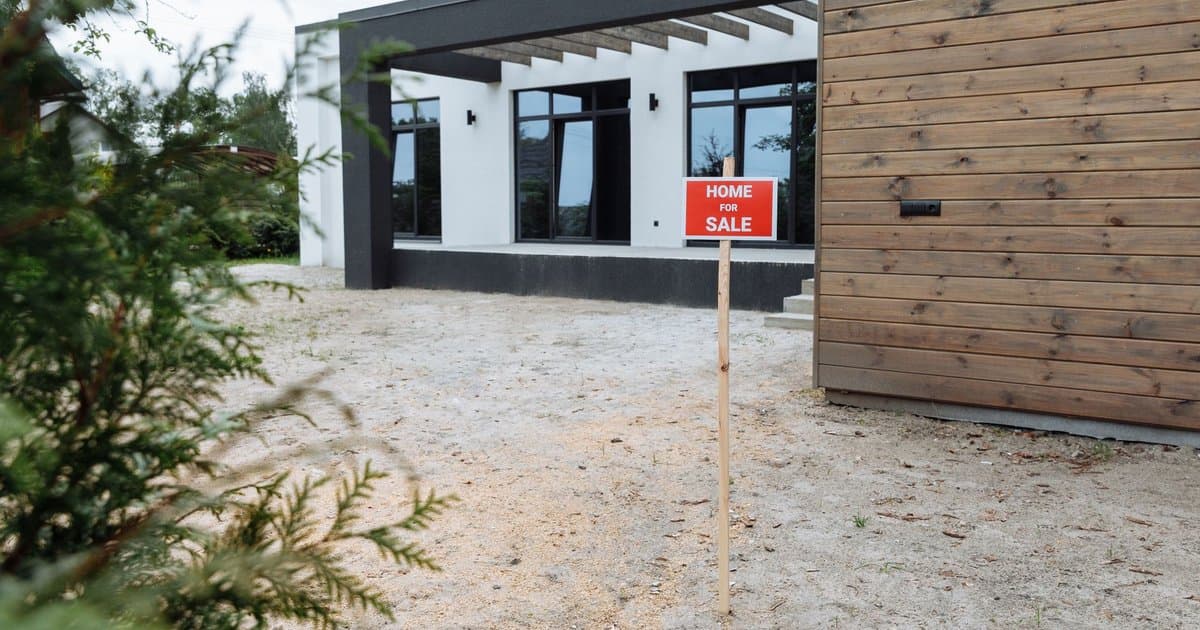
The Sunday open house is a fixture of American home buying. You see the signs on the corner, you wander in, you look at the kitchen, and you assume the whole thing exists to help people like you find a home. It feels like a service for buyers. The reality is more interesting than that. Most open houses are not really held to sell that particular house to the people walking through it. They are held for a different reason entirely, and once you understand it, you will see the whole ritual differently.
The open house is, first and foremost, a lead generation tool for the agent hosting it. Only a small share of homes actually sell to someone who first found them at an open house. What the event reliably produces is not a buyer for that house, it is a stack of contacts for the agent. Every person who signs in, chats at the door, or asks a question becomes a potential future client. The agent standing in the kitchen is not just showing that home. They are meeting buyers they might represent on some other property down the road.
So why do sellers agree to it? Part of the answer is that sellers like to feel their agent is doing something active and visible. An open house looks like effort, and it reassures the homeowner that the listing is getting real attention. Agents understand this, which is part of why they suggest it in the first place. There is nothing wrong with a seller wanting to see hustle from the person they hired. It just helps to understand that the open house serves the agent's business and the seller's peace of mind at least as much as it moves that specific house.
The sign-in sheet is the clearest tell. You are asked for your name, your phone number, your email, and often whether you are already working with an agent. That information is the entire point for a lot of hosts. If you are not represented, you have just told an agent that you are an available lead. This is why you tend to get follow-up calls and emails after signing in at a house you barely glanced at. The house was the draw. Your contact information was the catch the host was fishing for.
None of this makes open houses useless to buyers, and it would be unfair to say so. If you are early in your search, they are a low-pressure way to walk through homes and learn what you actually want. You can see how a floor plan feels in person, compare finishes, and get a sense of neighborhoods without booking private tours. For a brand new buyer, that education is genuinely valuable. The trouble only starts when you mistake a marketing event for a neutral service and forget that the friendly host has a business interest in you.
Knowing the game lets you play it well. If you already have an agent, say so at the door and put their name on the sheet, which stops the follow-up and keeps your representation clear. If you do not want the calls, you are allowed to skip the sign-in or give limited information, since it is a marketing tool and not a legal requirement. Be a little guarded about what you volunteer to the host, because anything you say about your budget or your urgency can be used later in a negotiation. Treat the host as a professional doing their job, not a friend giving you inside advice. A little awareness keeps you in control.
The point is not that open houses are a scam, because they are a normal and legal part of how real estate works. The point is to see them for what they are so you can use them on your own terms. They are a marketing and prospecting event first, and a buyer service second. Walk through, learn what you can, and enjoy the free look at how other people live. Just remember that the person handing you a flyer is running a business, and the sign-in sheet is working for them, not for you. Go in informed and the open house becomes a tool you use, instead of one that quietly uses you.