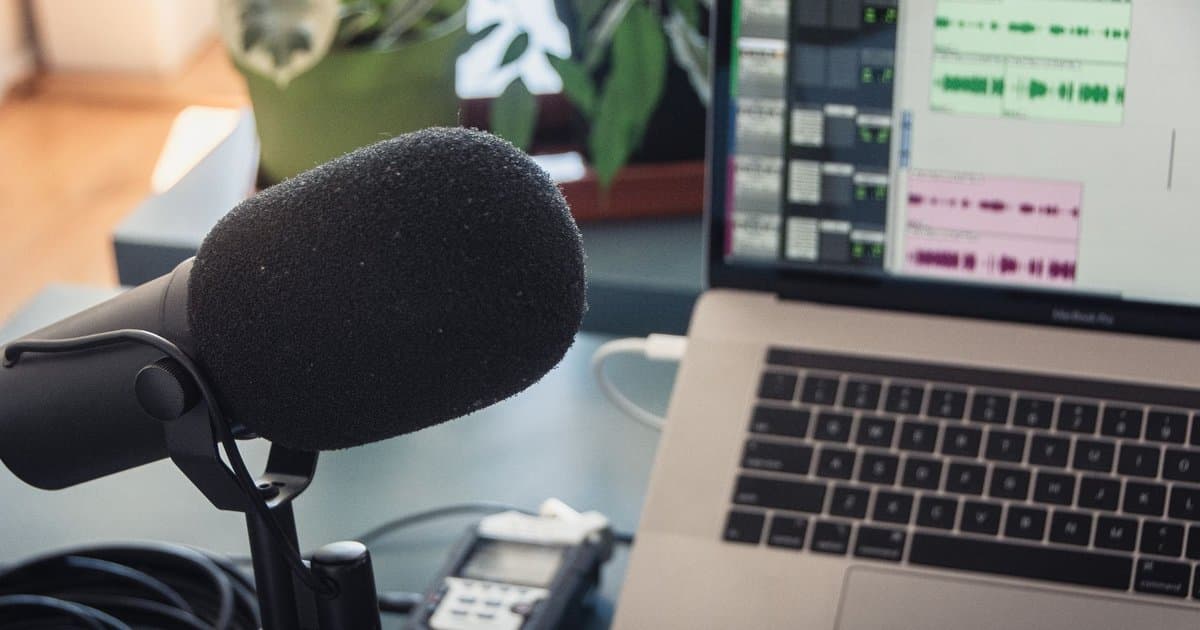
The first thing most new creators do is buy a better camera. They scroll through reviews of mirrorless bodies, debate full frame versus crop, and convince themselves the next lens will finally make their content look professional. Meanwhile they record podcast episodes on a built in laptop mic, sit in a kitchen with hard tile floors, and wonder why their numbers stay flat. The truth is that audiences forgive blurry video far more than they forgive bad audio. Watch time data from YouTube creator dashboards shows the average drop off after a rough audio segment runs about twice as fast as the drop off after a soft focus shot. People will stick with a phone recorded video if the voice sounds clear, and they will not stick with a 4K production that hisses, echoes, or peaks.
The reason is simple. Audio carries the message. Video supports it. When a viewer cannot hear a sentence clearly, their brain spends extra energy trying to fill in the gap, and that fatigue compounds across a 30 minute episode. Cognitive load research from broadcast studies over the last decade has measured this consistently, with comprehension dropping 18 to 27 percent once the noise floor rises above a certain threshold. That same listener now has to choose between staying with you or finding a cleaner version of the same idea somewhere else. They almost always pick the cleaner version, and they almost never return to the worse one.
The investment math also flips the conventional wisdom on its head. A solid USB or XLR microphone in the 150 to 350 dollar range will outperform a 3,000 dollar cinema camera if the camera onboard mic is the only source. A Shure SM7B, a Rode PodMic, a Shure MV7, or a Lewitt 440 Pure all sit in that band and produce broadcast grade voice for anyone willing to learn gain staging. The same money spent on a fourth lens will not move a single retention metric. A small interface like a Focusrite Scarlett 2i2 or a GoXLR Mini handles conversion cleanly. Add foam panels or moving blankets in the worst reflection points and you have the entire starter kit, total cost under 600 dollars.
Room treatment matters even more than the microphone you pick. A 500 dollar mic in a hard walled bedroom sounds worse than a 90 dollar mic in a properly treated closet. Sound bouncing off drywall and glass creates a phasing effect that no plugin can fully scrub out. The cheapest fix is to record inside a closet full of clothes, which act as natural absorbers. The next cheapest is to hang two moving blankets behind the camera and one across the wall facing the mic. After that, dedicated acoustic panels at the primary reflection points handle whatever is left, and none of this requires a built out studio.
Most creators also skip the cleanup pass during post production, which is where the biggest gains show up. A free DAW like DaVinci Resolve Fairlight or a low cost option like Adobe Audition has the same tools a podcast network uses every day. The workflow is straightforward and quick once you set a template. Run a high pass filter at 80 hertz to cut rumble. Apply a de esser to reduce harsh sibilance. Set a compressor with a 4 to 1 ratio to even out the levels. Master to negative 16 LUFS for podcast platforms or negative 14 for YouTube. The whole chain takes about 15 minutes once you save the preset.
There is also a hidden retention killer that almost nobody addresses. Levels that swing wildly between speakers cause listeners on headphones to constantly adjust their volume. After two or three swings they close the app. The fix is to record everyone on their own track, then normalize each track to the same target loudness before mixing. Auphonic offers an automated version for around 12 dollars a month, and Descript bakes the same logic into its editor. Either solution removes the single most common complaint listeners file in reviews, and people rarely say the audio sounded great even when it does. They almost always say the audio sounded bad when it does not.
The shift in mindset that helps most is treating audio as the foundation and video as the frame around it. A podcast that lives on YouTube is still 80 percent an audio product. A vlog that lives on Instagram is still 60 percent an audio product. Even a short clip with text on screen relies on a voice that does not push viewers away inside the first three seconds. Once the foundation is solid, every other upgrade compounds, and the videos start to feel finished instead of half done. Better lighting matters and better cameras matter, they just do not matter first.
The practical playbook for someone starting today looks like this. Spend 200 to 400 dollars on a microphone, an interface, and a sturdy stand. Spend 100 dollars on basic room treatment using blankets, foam, or a vocal booth panel. Set gain staging so the loudest point in your voice hits around negative 6 decibels without clipping. Build a template in your editor with the cleanup chain ready to apply. Track each person on a separate channel and listen back on a cheap pair of earbuds, the kind most of your audience actually uses, before exporting. That sequence will outpace anything a new camera body could deliver inside the first 90 days.