Walk into almost any youth sports conversation and you will hear the same advice repeated like gospel. Pick one sport early, train for it year round, and the scholarship or the pro contract will eventually follow. Parents hear it from coaches, from camp directors, and from other parents who do not want their kid to fall behind the pack. What almost nobody says out loud is that the research points firmly in the other direction. Children who lock into a single sport before puberty tend to get hurt more often, burn out faster, and rarely outperform the kids who kept playing several sports into their teens. The quiet truth is that early specialization looks far more like a risk than a real head start.
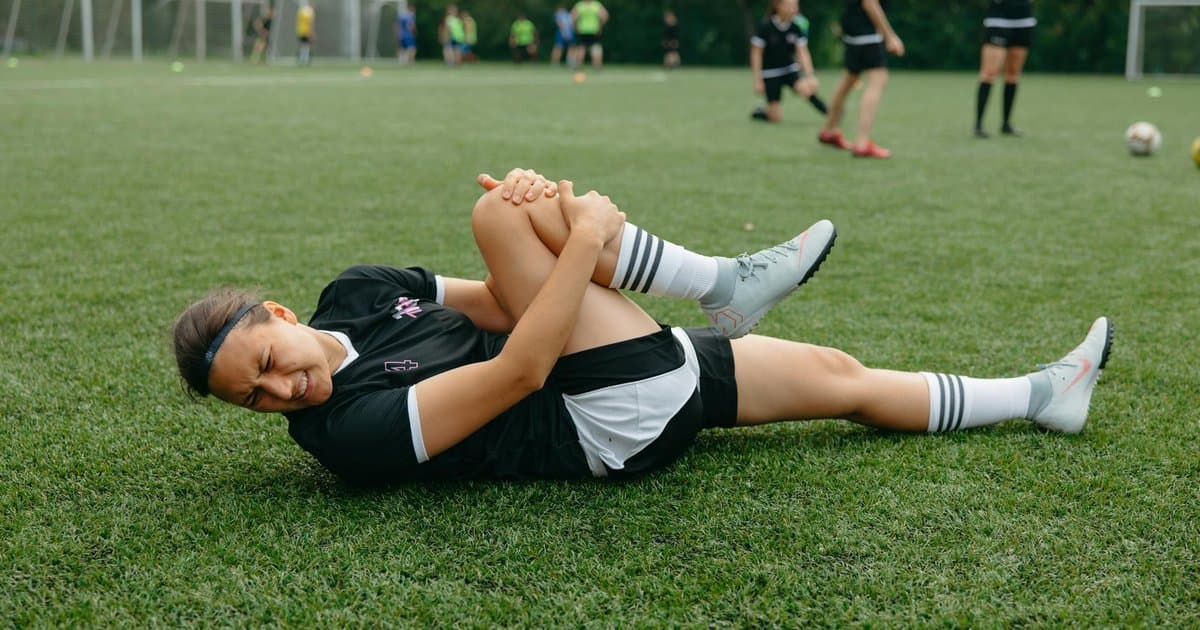
Start with the body, because that is where the damage shows up first. Young athletes who repeat one movement pattern thousands of times put the same joints, tendons, and growth plates under constant stress. Pitchers wear down elbows and shoulders. Gymnasts and dancers grind on hips and lower backs. Soccer and basketball players who never rest end up tearing knees that were still developing. Sports medicine clinics now see a steady stream of these overuse injuries in kids barely into middle school, and a large share of them trace back to one sport played without any real off season. A growing body needs variety and recovery, and a calendar that runs twelve months straight rarely allows either.
The mental side is just as real, even if it is harder to put on a chart. Kids who pour everything into one sport tie a big part of their identity to how they perform in it. When the fun slowly turns into pressure, and games start to feel like a job they cannot quit, many of them walk away entirely by their mid teens. That is the cruel irony sitting inside the early grind. The system that was supposed to keep them ahead often pushes them out of sport long before they reach the level it promised. A child who rotates through three sports gets to be a beginner again every season, which keeps the joy alive and takes the weight off any single result.
There is a development argument too, and it almost never makes the conversation. Playing different sports builds different skills, and those skills carry over in ways a narrow focus simply cannot match. A kid who wrestles learns balance and body control under pressure. A kid who plays basketball learns spacing and fast decisions. A kid who runs track builds raw speed and a feel for pace. When those abilities stack on top of one another, you get a more complete athlete, which is exactly what college and pro scouts say they hunt for. Plenty of elite athletes did not specialize until late in high school, and many of them credit that wide base for the very edge that set them apart.
None of this means a child cannot have a favorite sport or train hard at it. It means the schedule should leave room to breathe. A reasonable rule that pediatric experts repeat often is to keep weekly training hours below the child's age in years, and to take at least one full season away from any single sport each year. Let kids play freely sometimes, without a coach watching and grading every touch. Pay attention when they complain about pain instead of coaching them through it, because pain is information, not weakness. The real goal is a person who still loves to move at twenty five, not a trophy shelf that goes dusty by sixteen.
The hardest part is tuning out the noise. Every flyer for an elite travel team and every highlight reel of a young phenom whispers that more is better and earlier is smarter. The evidence keeps saying the opposite, quietly and consistently, while the marketing only gets louder. If you want a kid who stays healthy, stays interested, and actually develops into a strong athlete, variety beats early obsession almost every time. That is the part nobody selling the dream wants to mention out loud. Slow it down, mix it up, and let the body and the love of the game grow together.