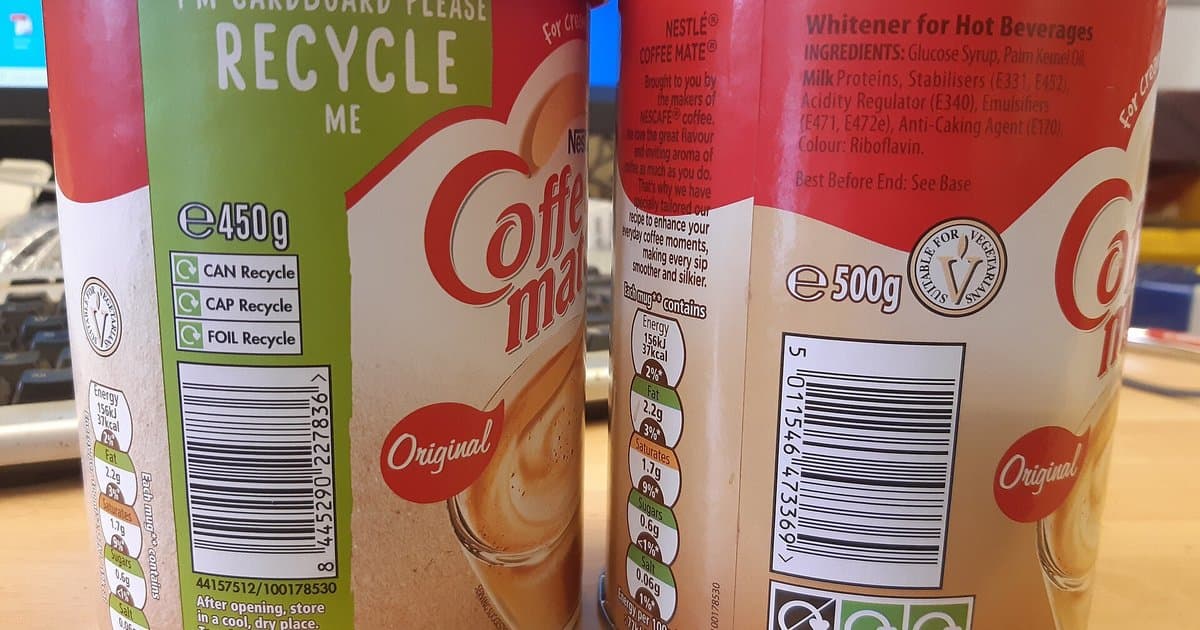
Most coverage of rising costs focuses on the number printed on the shelf tag. That number is only half the story. The other half is the package itself, which has been getting smaller in ways that rarely make headlines. A box of cereal that held eighteen ounces last year now holds sixteen. A roll of paper towels that had a certain sheet count now has fewer sheets at the same price. This quiet trimming has a name, shrinkflation, and it is doing real damage to budgets while most people only watch the sticker price.
The mechanics are simple, which is part of why it works so well. A company facing higher input costs has two options. It can raise the price and risk a shopper noticing and switching brands, or it can keep the price the same and reduce the contents. Reducing the contents is far less visible because shoppers anchor on price, not on ounces or counts. Cereal, chips, ice cream, coffee, toilet paper, and snack bags have all seen this treatment over the past few years. The container often looks nearly identical, with the same colors and the same general shape, so nothing signals that anything changed.
The dollar math is where this stops being a curiosity and starts being a household problem. Imagine a grocery basket where ten regular items each quietly lose around ten percent of their contents while the price holds. That is effectively a ten percent price increase on those items, hidden from view. For a family spending eight hundred dollars a month on groceries, a ten percent erosion on even half the basket works out to roughly forty dollars a month, or close to five hundred dollars a year, with no visible price change at all. The receipt total still climbs over time, but the cause stays invisible because the unit cost never gets examined.
Shrinkflation is harder to catch than a normal price hike for reasons rooted in how people shop. Nobody memorizes the net weight of forty different products. Shoppers move fast, they grab familiar packaging, and they trust that the thing they bought last month is the same thing this month. Unit pricing, the small per ounce or per sheet figure on the shelf tag, is the one tool that exposes the change, yet most people never look at it. Stores are not required to flag when a product shrinks, so the only record of the old size lives in a shopper's memory, which fades quickly.
The people hit hardest are the ones with the least room to absorb it. Households on fixed incomes, larger families buying in volume, and anyone already stretching a tight grocery budget feel every ounce that disappears. When a staple shrinks, these households either pay more to buy the same total quantity or quietly accept less food for the same money. Neither outcome shows up in the headline inflation number the way a straightforward price jump would, which is exactly why this form of cost increase deserves more attention than it gets. It lands on the budgets least able to fight back, and it does so without ever announcing itself.
There are a few practical defenses, and none of them require becoming an obsessive label reader. Start by checking the unit price on the shelf tag rather than the total price, since that figure adjusts automatically when a package shrinks. Compare store brands against name brands on a per ounce basis, because the gap often widens once shrinkflation is factored in. Keep a rough mental note of the net weight on the three or four items you buy most, so a sudden drop stands out. Buying larger formats of shelf stable goods can also help, since the biggest sizes tend to shrink last. The goal is not paranoia. The goal is simply to watch the right number, because the price tag alone will keep telling you a story that is no longer true.