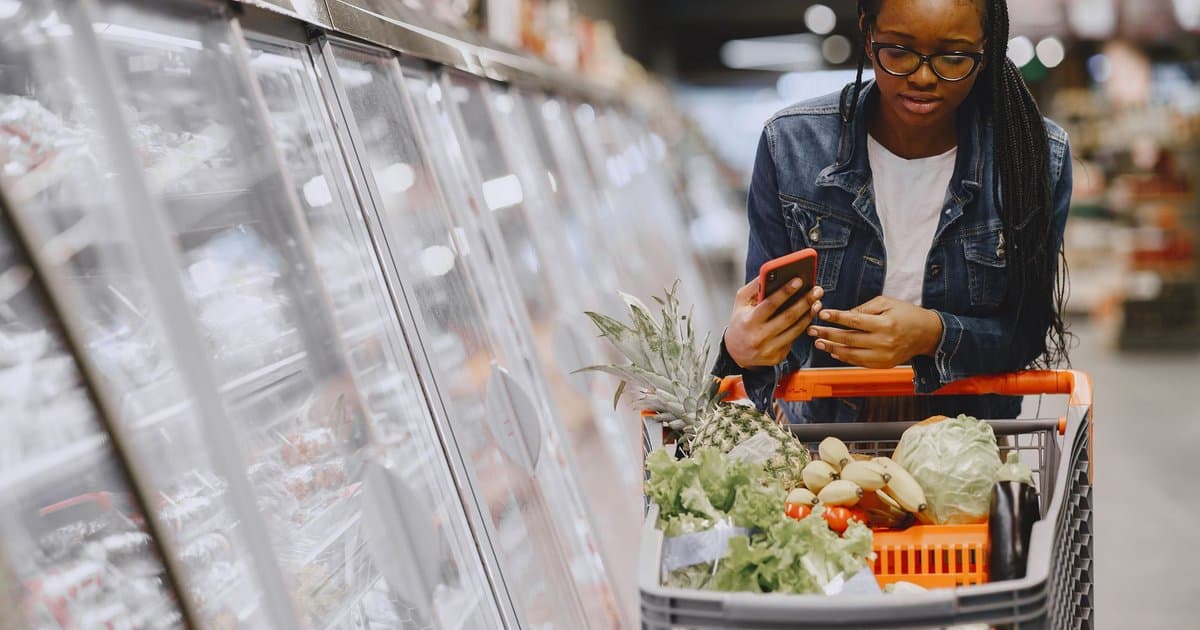
Most people assume that when they hand money to the cashier at the grocery store, a big share of it lands in a farmer's pocket. The real number is far smaller than almost anyone guesses. For every dollar Americans spend on food grown in this country, the farmer receives somewhere around fifteen cents. The rest, roughly eighty-five cents on the dollar, gets spread across everything that happens between the field and your kitchen. That figure is not a rumor or a talking point. It comes from the Department of Agriculture, which has tracked what it calls the food dollar for years. Once you actually see the breakdown, the way food is priced starts to make a lot more sense.
The gap between what a farmer earns and what you pay is not a mystery, and it is not one greedy company taking a giant cut. It is a long chain of steps, and every single step costs money. A tomato has to be picked, cooled, packed, and shipped before it gets anywhere near a store. Someone processes it, someone else warehouses it, a truck moves it across the state, and a worker stocks it on the shelf. Every person in that chain gets paid, and every mile and every hour adds to the final number. Then you add packaging, refrigeration, energy, insurance, advertising, and the rent on the building where you shop. By the time all of that is counted, the actual crop is one of the smaller line items in the price.
The farm share is not the same for every product, and the difference tells you a lot about your own cart. Buy a bag of flour, a carton of eggs, or a bunch of carrots, and the farmer's cut is relatively high, because the food has barely been changed. Buy a boxed cereal, a bag of chips, or a frozen dinner, and the farm share drops to just a few pennies on the dollar. The more hands that touch a product, and the more it gets transformed on the way to you, the less of your money traces back to the person who grew the raw ingredient. Eat that same food at a restaurant, and the farm share falls even further. Now you are also paying for a cook, a server, a dishwasher, and a place to sit down. None of that is hidden, but it is easy to forget when you are only looking at the number on the shelf tag.
This is where the food dollar stops being trivia and starts explaining your actual grocery bill. When you hear on the news that crop prices dropped, you might expect cheaper food to show up soon. Then it does not happen, and it feels like someone is lying to you. The reason is simpler than a conspiracy. The crop was never the main driver of the shelf price in the first place. If wages, fuel, packaging, and transportation stay expensive, the final price can stay high even while the farmer is being paid less for the harvest. That disconnect frustrates shoppers and farmers at the very same time, for completely opposite reasons.
The farmer's share has generally shrunk over the past several decades, and that trend is worth sitting with. As the country shifted toward convenience, packaged goods, and eating out more often, a larger slice of every dollar moved toward processing and service instead of raw ingredients. That is not automatically a bad thing. Those steps create millions of jobs and make food easier to buy, store, and prepare after a long day. But it does mean the average household now spends most of its food budget on things other than farming itself. For a family watching every dollar, that reframes the whole question of where the money goes. The cheapest way to push more of your spending toward raw ingredients is to buy less processed food and do more of the cooking yourself.
Knowing the farm share will not lower your bill on its own, but it does change how you read both the headlines and the receipt. A story about falling crop prices does not promise relief at the register, and a climbing grocery bill does not mean farmers are suddenly getting rich. The price you pay is mostly the cost of getting food to you in the exact form you want it, at the exact moment you want it. If you want more of your money reaching the grower, the one lever you truly control is how processed the food is when you buy it. That is a personal choice you make every week, not a policy debate you have to wait on. It is one of the few parts of the food system a regular shopper can actually adjust, and it starts the next time you choose between the whole ingredient and the finished product.