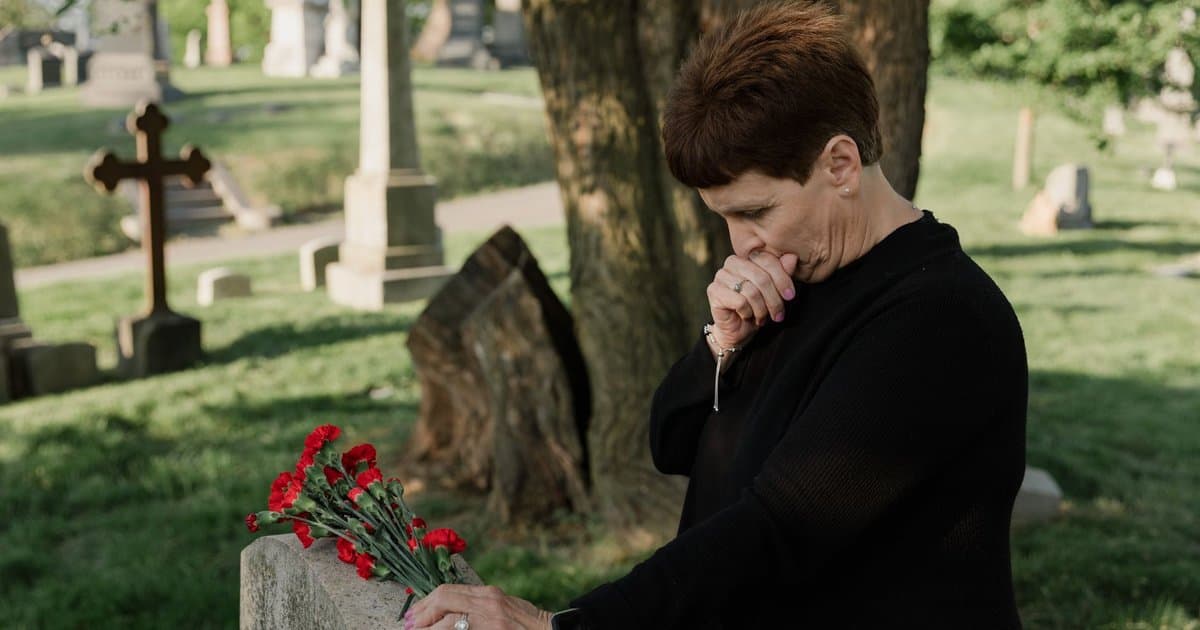
When one spouse dies, grief is the first thing a family feels. The tax code brings a second blow that almost no one warns them about. It carries a name that sounds old fashioned. People call it the widow's penalty, though it lands on widowers just the same. The idea is simple and harsh. The surviving spouse often pays more federal tax on close to the same income. That shift can start the very next year, at the worst possible time.
The cause sits in filing status. A married couple files together and claims the larger standard deduction. They also move through wider tax brackets before the higher rates begin. In the year a spouse dies, the survivor can still file jointly for that year. After that, the survivor usually files as a single taxpayer. The standard deduction falls by roughly half, and the brackets tighten fast. Two people once had room to spread income across a broad base. Now one person carries all of it alone.
Here is the part that catches people off guard. The income often does not drop by much at all. Social Security does shrink, because the survivor keeps the larger of the two checks and loses the smaller one. A pension may pay a reduced survivor amount, or it may stop completely. Yet required withdrawals from retirement accounts stay tied to the full balance. Interest, dividends, and rental income keep arriving in the same amounts. So a home that ran on a set number now runs on a similar number under single filer rules.
Picture a couple living on a steady retirement income. Filing jointly, a large slice of that money sits inside the lower brackets. One spouse passes, and the next full year the survivor files as single. The same dollars now climb into higher brackets much sooner. A portion once taxed at twelve percent can jump to twenty two percent. The lost half of the standard deduction adds thousands in taxable income by itself. Nothing about the spending changed, but the tax owed went up.
The bracket jump is only the first cost. Higher taxable income can raise the tax on Social Security benefits themselves. It can also push the survivor past the lines that trigger Medicare surcharges. Those surcharges, known as IRMAA, raise the monthly premium for Part B and Part D. The income thresholds for single filers sit well below the ones for couples. Long term capital gains can face a higher rate for the same reason. One death can set off a chain of smaller bills that all point the same way.
The good news is that this trap can be softened with planning while both spouses are alive. The joint years are the cheap years, and they are the window to act. Roth conversions are the common tool here. Moving money from a traditional account into a Roth means paying tax now at the lower joint rates. That money then grows and later comes out with no tax and no required withdrawals. Filling the lower brackets on purpose, year by year, spreads the burden out. It trades a smaller known cost today for a larger unknown one later.
Roth conversions are not the only lever a family can pull. Couples can plan which accounts they draw from first to keep taxable income smooth. They can take capital gains in years when the rate on them is low. Checking how each account is titled, and who the named beneficiaries are, keeps money from landing in the wrong hands. A review of pension survivor options, made before retirement, sets how much income keeps flowing. Life insurance can help fill the hole a lost Social Security check leaves behind. None of these moves are fancy, but each one needs to happen ahead of time.
The hard truth is that the tax code does not bend for grief. It simply applies the single filer rules once the joint year closes. That is why the widow's penalty catches so many households flat footed. The bill shows up when a person has the least energy left to fight it. Talking about it early feels uncomfortable, so most couples skip the conversation. The ones who face it head on hand the survivor a softer landing. Planning cannot bring a spouse back, but it can stop the tax office from taking a second bite.