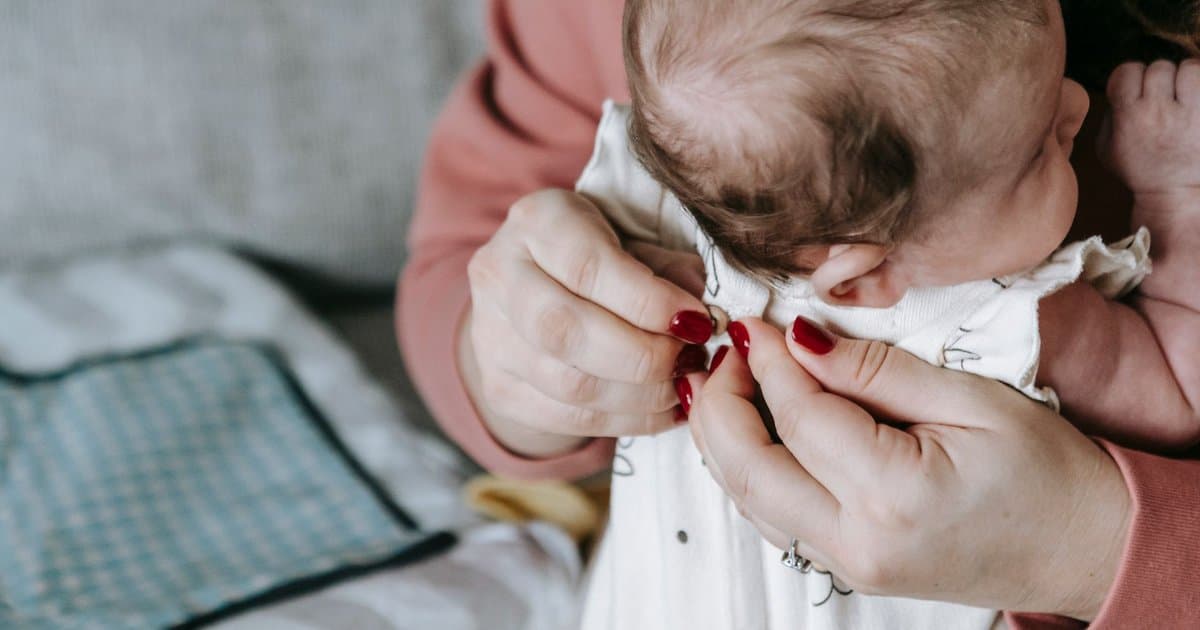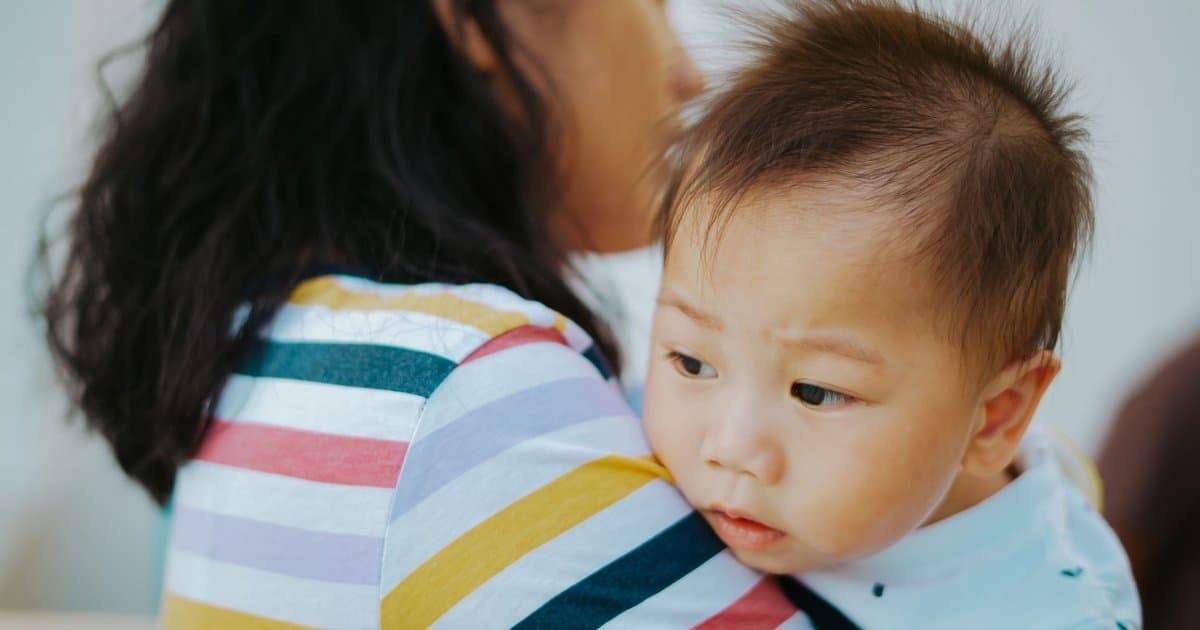
It usually comes from someone who loves you. You pick up your crying newborn for the third time in an hour, and a relative smiles and warns that you are going to spoil that baby. The line is old, confident, and everywhere, passed down like proven wisdom. For a young infant, though, it does not hold up at all. You cannot spoil a baby by answering their cries and holding them close. The research on how infants actually develop points firmly in the other direction. That is worth knowing before the guilt sets in.
Start with what spoiling would actually require. To be spoiled in the way people mean, a child has to be capable of scheming a little, of crying not from need but to work a result. That kind of thinking depends on brain development a newborn simply does not have yet. A young baby cannot plan, cannot delay a want, and cannot connect a fake cry to a future payoff. When an infant cries, it is communication, not manipulation. Hunger, cold, pain, fear, or a plain need for closeness are being reported by the only tool they own. The crying is a language, not a trick.
Decades of attachment research back this up, and some of the findings surprise people. Studies going back to the work of John Bowlby and Mary Ainsworth found that babies whose caregivers responded promptly and warmly tended to form what is called secure attachment. Here is the counterintuitive part worth sitting with. Those responsively soothed babies often grew into children who cried less, explored more, and handled separation better, not worse. Consistent comfort did not trap them in dependence. It gave them a stable base to venture out from. The reassurance quietly became confidence.
The mechanism has a name that helps it make sense. Infants cannot regulate their own nervous systems, so for a while they borrow yours. When you pick up a distressed baby and your calm heartbeat and steady voice bring their panic down, you are doing something called co-regulation. Repeated thousands of times, that outside help slowly becomes an inside skill. The baby learns that big feelings are survivable and that the world answers when they call. Trust like that is not a luxury or a spoil. It is the foundation the rest of their emotional life gets built on. You are not creating a habit you will have to break later. You are wiring in a sense of safety they get to keep. That is a gift, not a spoil.
So what about the fear that all this holding creates a clingy, dependent child? It is a fair worry, and the evidence answers it directly. Security is exactly what lets a child let go. A toddler who knows a caregiver reliably comes back is freer to wander to the other side of the room and play. The child who is unsure keeps checking, because the connection never felt certain to them. Independence does not grow from being left to cry alone in a room. It grows from being sure that support is there when it is needed.
None of this means every single fuss demands an instant sprint, and it does not last forever either. As babies become older toddlers and children, teaching them to wait, to share, and to handle a no becomes real and healthy parenting. Limits matter more with each passing year. You also do not have to be perfect, because responsiveness most of the time is what counts, not a flawless record. If you are overwhelmed, placing a safe baby in the crib for a few minutes to catch your breath is fine and sometimes wise. Good enough, most of the time, is the actual standard here.
In practice this frees you from a trade-off that was never real. You do not have to build independence by rationing comfort. Hold your baby when they want to be held, answer the cries, and let go of the idea that you are creating a problem. Your own wellbeing belongs in the picture too, so lean on other caregivers and rest whenever you can. A cared for parent has more to give, and a baby does not need a martyr in the house. The aim is warmth you can actually sustain, not warmth that quietly burns you out.
The warning to not spoil a baby really belongs to an older era with older ideas about toughness. Picking up a crying infant is not indulgence, and it is not weakness. It is teaching, in the most basic language there is, that this child is safe and worth answering. That lesson pays off for years, long after anyone remembers who worried about the holding. So the next time the old line comes up at the family table, you can smile back and keep holding your baby. You are not spoiling them at all. You are building them.