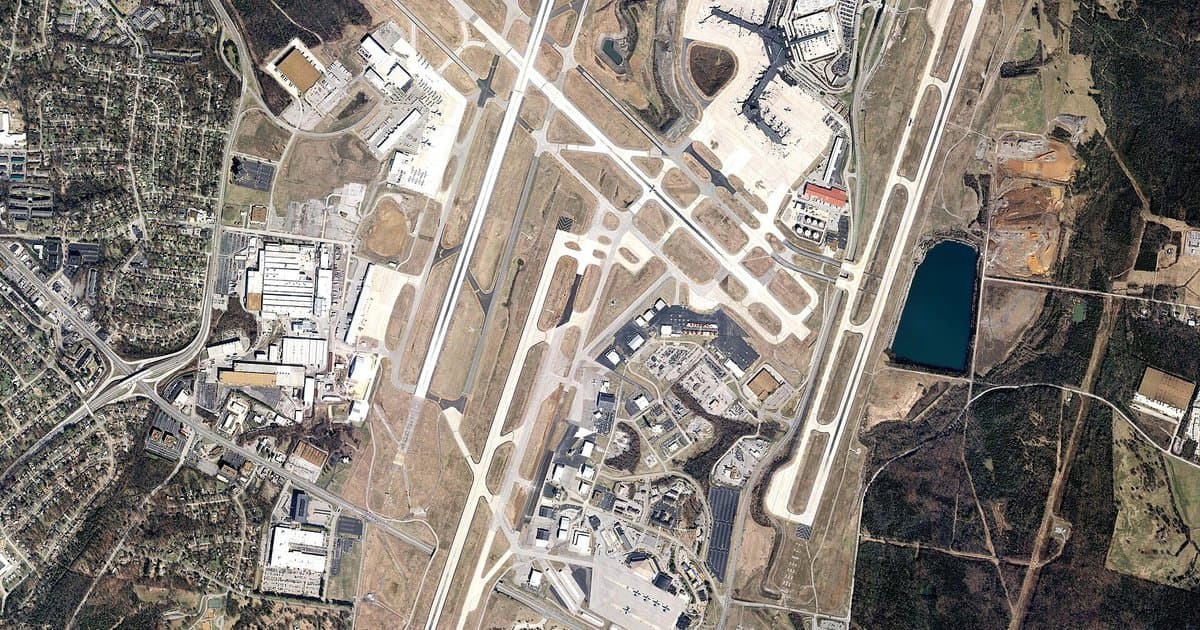
Nashville International Airport, known by its call sign BNA, is in the middle of one of the largest infrastructure pushes in Middle Tennessee history. The next phase of the BNA Vision program covers concourse expansions, parking garage projects, ground transportation upgrades, and a new international arrivals facility. The combined work touches almost every category of front line labor at the airport, and the staffing footprint is growing alongside the construction footprint. For workers in Antioch, Donelson, Hermitage, Madison, and South Nashville, the airport is now one of the most active local hiring channels in the metro.
The Metro Nashville Airport Authority has reported that BNA served roughly 24 million passengers in the last full year of available data, up from 18.4 million pre pandemic. Authority forecasts project continued growth through the end of this decade, with capacity planning aimed at the 30 million passenger range. That growth does not move on autopilot. It requires more ramp agents, wheelchair attendants, cleaners, security screeners, food and beverage staff, and rental car associates. Airline ground handling contractors are running open hiring events almost weekly, and concessions operators across the new concourse zones are posting roles in bulk.
The people most directly affected are workers in the corridor around Donelson, Hermitage, and Old Hickory. The airport sits inside that corridor, and most front line airport jobs are filled from within an eight mile radius. Wages have moved noticeably over the last two years. Entry level ground handling roles that paid $14 to $16 per hour in 2023 are now posted in the $17 to $20 range, with shift differentials for overnight work. Food service inside the secure area is paying $16 to $19, with tipped roles in full service restaurants sometimes clearing $25 per hour in peak travel weeks.
The second group affected is the Haitian and broader immigrant workforce that already makes up a meaningful share of airport service jobs. Many of these roles are accessible to workers with limited English, especially in cleaning, baggage handling, and certain food prep positions where on the job training is standard. For families in South Nashville and Madison who have built community around airport employment, the construction phase is producing more openings than usual, not fewer. The pattern where airport expansions slow hiring during the build does not apply here, because passenger volumes are still climbing through the construction period.
The third group worth watching is small business owners in the surrounding zip codes. More airport employees in a neighborhood means more lunch traffic, more after work dinner business, more daycare demand, and more demand for short term rentals near the terminals. Owners of small Caribbean and Latin restaurants along Murfreesboro Pike and Nolensville Pike have reported steady upticks in customers working overnight ramp shifts. The airport's growth is quietly also a growth story for the small business ecosystem in zip codes 37013, 37115, 37210, and 37211.
The construction phase itself is generating jobs. General contractors on the major BNA Vision packages have reported peak headcounts in the hundreds across electrical, mechanical, and finish trades. Several firms have apprenticeship pipelines actively recruiting from Nashville State Community College, the Tennessee College of Applied Technology in Nashville, and community based training programs in North Nashville. For young workers without a four year degree, the construction phase of the airport is one of the most accessible pathways into a skilled trade career in the metro right now.
The risks are worth naming. Construction phases at major airports often end with sharp drops in temporary staffing once ribbons are cut and new facilities settle into steady state. The peak hiring window for the current phase is expected to run through the next eighteen to twenty four months, with a softer plateau after the international arrivals facility opens. Workers entering the airport workforce now will benefit from elevated demand, but anyone expecting that demand curve to be permanent should treat the current window as a runway to build skills, not a steady state forever.
What to watch next is the airport authority's quarterly budget and project updates, which post on the BNA website and are usually covered in local trade press within a week. The authority's passenger volume reports will signal whether the growth curve is holding. Tennessee Department of Labor and Workforce Development data on transportation jobs in Davidson County will tell you whether front line hiring is keeping pace. For now, the picture is straightforward. The airport is one of the most active hiring engines in the city, and it is reaching into neighborhoods historically underserved by job growth narratives.