There is a quiet belief that more homework means more learning, and that a heavier folder is a sign of a serious school. Parents see hours of assignments and feel reassured that their child is being pushed. But the link between the sheer amount of homework and how much a child actually learns is far weaker than most people assume. Past a certain point, piling on more work tends to produce stress and resentment rather than understanding. The question is not whether a child is busy at night, it is whether the work is doing anything useful. More is not the same as better, and treating it that way can quietly backfire.
The research on homework has a pattern that surprises a lot of parents. For young children in the early grades, the connection between homework volume and learning is very small, sometimes close to nothing. The benefit grows as students get older, but even then it levels off once the workload passes a reasonable amount for that age. Beyond that point, extra assignments stop adding learning and start eating into sleep, play, and family time. A tired, overwhelmed child does not absorb more by staying up later with another worksheet. The ceiling on useful homework is lower than the stack many kids carry home.
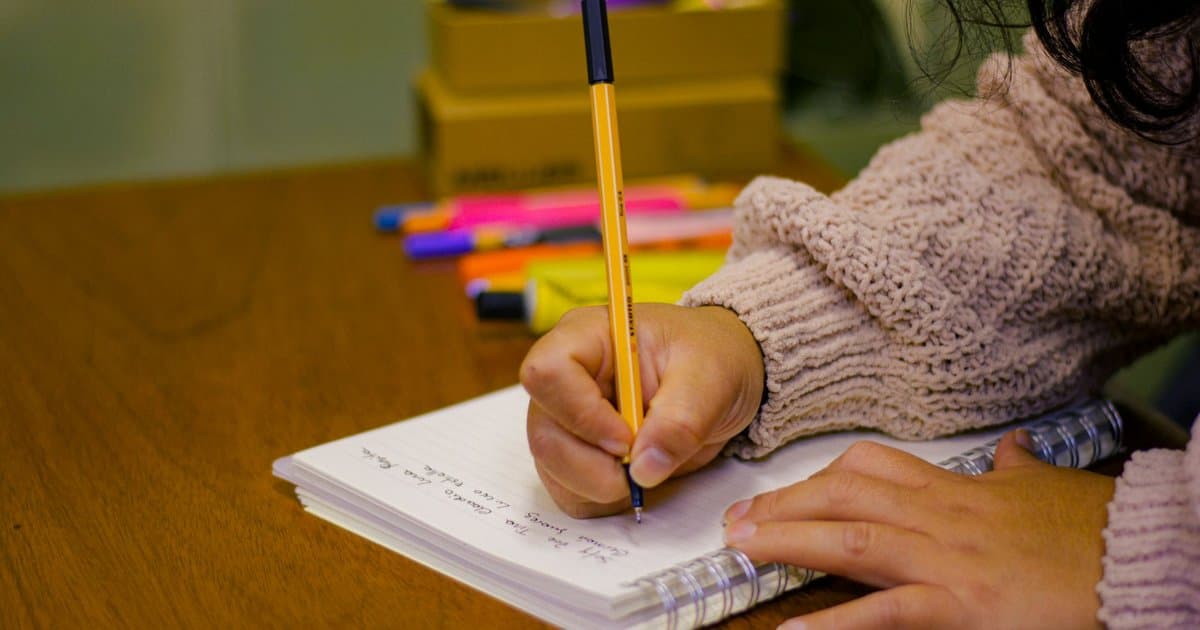
What actually drives learning is the quality and purpose of the work, not the size of the pile. A short assignment that asks a child to think, explain, or apply an idea does more than pages of repetitive copying. Practice matters, but practice works best when it is focused, spaced out over time, and tied to something the child is genuinely trying to master. Twenty minutes of real engagement beats two hours of going through the motions while half asleep. The goal of homework should be to reinforce understanding, not to fill an evening or prove a school is rigorous. When the work has a clear point, kids feel it, and they put more of themselves into it.
There is a real cost to overloading a child that often gets ignored in the push for more. Hours of nightly assignments cut into sleep, and sleep is one of the strongest drivers of memory and learning there is. Endless homework also crowds out play, movement, hobbies, and unstructured time, all of which build skills that worksheets cannot. When school becomes a source of dread at the kitchen table, children start to associate learning with stress instead of curiosity. That emotional cost can do more long term damage than any missed assignment. A burned out ten year old is not on a path to becoming a strong learner.
So what should a parent actually want to see on a school night. Look for homework that has a clear purpose, fits the child's age, and can be done in a sensible window without tears or all night sessions. Watch how your child works more than how long they work, because focus and understanding matter more than hours logged. If assignments are crushing the evening every night, that is worth a calm conversation with the teacher rather than silent endurance. Protect sleep, protect some free time, and protect the child's relationship with learning itself. Those things pay off far more than an extra packet ever will.
None of this is an argument for no homework or for letting kids coast. Practice, responsibility, and follow through are real and worth building, and a reasonable amount of work supports all three. The point is that volume is the wrong thing to chase, and using it as a measure of seriousness misleads everyone involved. A thoughtful, well sized assignment teaches more than a mountain of busywork, and it leaves room for a childhood alongside the schooling. Smarter is not built by adding hours, it is built by making the hours count. Aim the time well, and let the rest of the evening belong to the kid.