When fat loss stalls, the first instinct for most people is to add more cardio, and it is one of the most common dead ends in all of fitness. The logic seems airtight. Cardio burns calories, so more cardio should burn more calories, so the scale should move. But bodies do not run on simple arithmetic, and the person grinding out an extra forty minutes on the treadmill every day often finds the needle stuck in exactly the same place. They assume the answer is even more cardio, and the cycle tightens. The harder truth is that piling on steady cardio is frequently the reason progress stops, not the cure for it. Understanding why takes the pressure off and points you toward what actually works.
The first problem is that your body adapts to repeated cardio with surprising speed. The first few weeks of a new running habit do burn a meaningful number of calories, but your body is built to become efficient at anything you do often. Over time it learns to perform the same movement using less energy, so the same forty minute session that once cost you four hundred calories slowly costs you three hundred, then fewer. You are doing identical work for a shrinking reward, which is why people who rely on cardio alone tend to plateau and then have to keep adding more just to stay even. That is a treadmill in every sense, a lot of effort that quietly leads nowhere.
The second problem is what long cardio sessions do to your appetite and your daily movement. A hard hour of exercise can leave you hungrier than usual and more tired for the rest of the day, and both of those work against you. The extra hunger is easy to satisfy with a snack that erases the entire calorie burn in a few bites, often without you noticing. The fatigue is sneakier. After a draining session, people unconsciously move less the rest of the day, taking fewer steps, fidgeting less, choosing the couch over the errand. That drop in everyday movement can quietly cancel out a big chunk of what the workout burned. So the session feels productive while the day as a whole barely changed.
The third problem is what excessive cardio costs you in muscle. When you are in a calorie deficit and doing large volumes of steady cardio without much resistance training, your body will give up some muscle along with fat. That is a bad trade for almost everyone. Muscle is the tissue that keeps your metabolism higher at rest, gives your body the shape most people actually want, and keeps you strong and capable as you age. Lose it, and your body burns fewer calories around the clock, which makes staying lean even harder going forward. You can end up lighter on the scale but softer in the mirror and slower in your metabolism, which is the opposite of the goal.
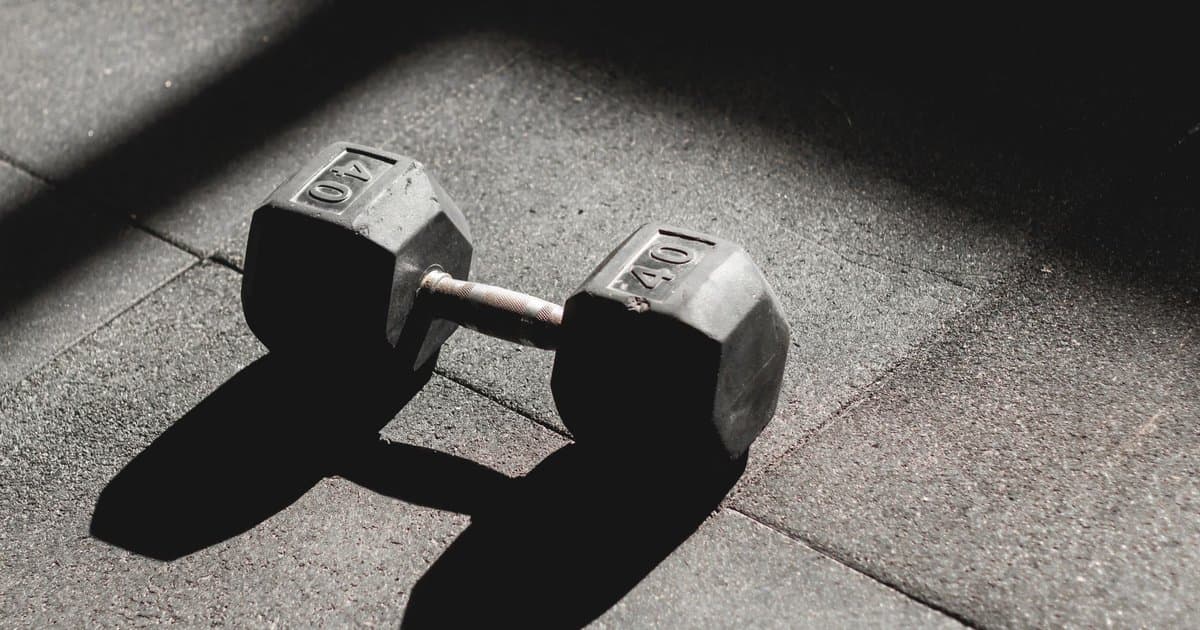
The approach that actually moves body composition is less dramatic than endless cardio and far more effective. Resistance training comes first, because lifting weights protects and builds the muscle that keeps your metabolism working for you. Two to four strength sessions a week, focused on the big movements that work many muscles at once, does more for your shape over months than any amount of jogging. Strength training also keeps burning energy after you finish, since rebuilding muscle has a cost your body pays for hours afterward. You do not need to live in the gym. You need to lift with enough effort that the work is genuinely hard and to add a little weight or a few reps over time. Protein matters just as much as the lifting, because muscle cannot be built or protected without enough of it on your plate each day. Pair consistent strength work with adequate protein and you give your body every reason to keep the muscle and burn the fat instead of the reverse.
Cardio still has a place, but as a supporting actor rather than the star. A moderate amount supports your heart, helps your recovery, and adds some useful calorie burn without wrecking your appetite or your muscle. The mistake is making it the whole plan and then responding to every stall by adding more of it. The real levers for getting leaner are mostly outside the cardio room. They are the protein on your plate, the strength on the bar, the steps you take across an ordinary day, and the sleep that lets your body recover and regulate hunger. Do those well and a modest amount of cardio finishes the job nicely. Skip them and chase the treadmill instead, and you can run for an hour a day and still wonder why nothing is changing. The change you are after was never going to come from doing more of the thing that stopped working. It comes from building the muscle and the habits that keep working long after the run is over.