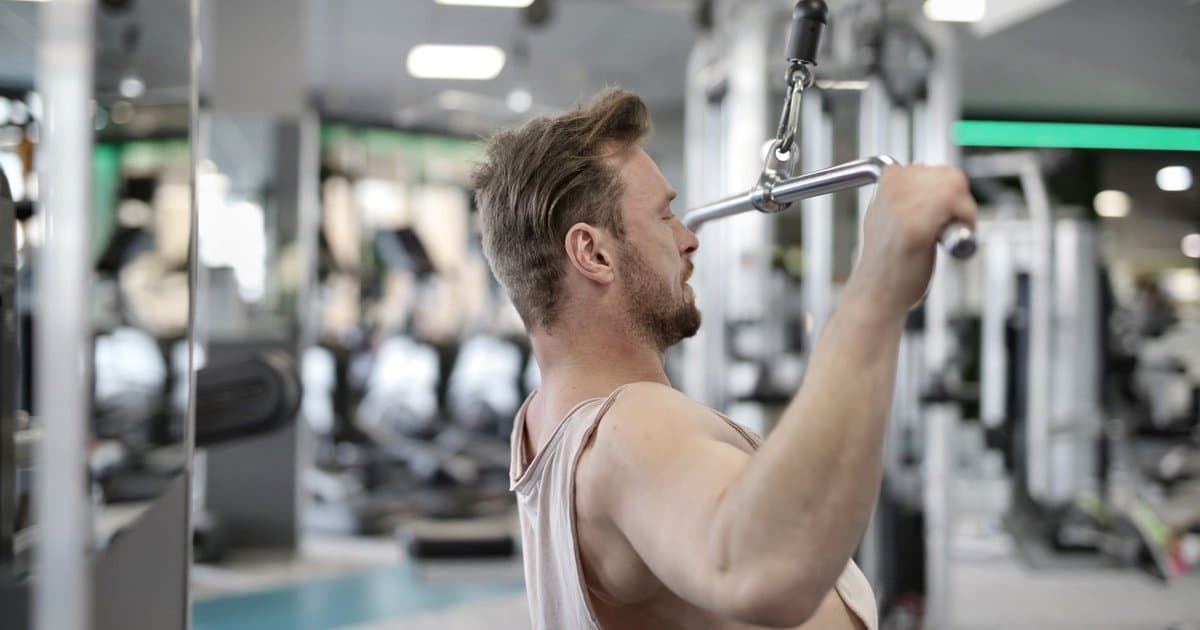
Walk into almost any gym and you will hear the same belief stated as fact. If you want to get bigger, you have to lift heavier. Add weight to the bar, chase the personal record, and the muscle will follow. It is a satisfying story because it gives you a clear target, and there is a piece of truth in it. Strength does respond to heavy loads. But the assumption that heavy weight is the main driver of muscle size has not held up well, and a lot of people are grinding through low-rep sets convinced they are doing the one thing that matters most. The evidence tells a more useful story.
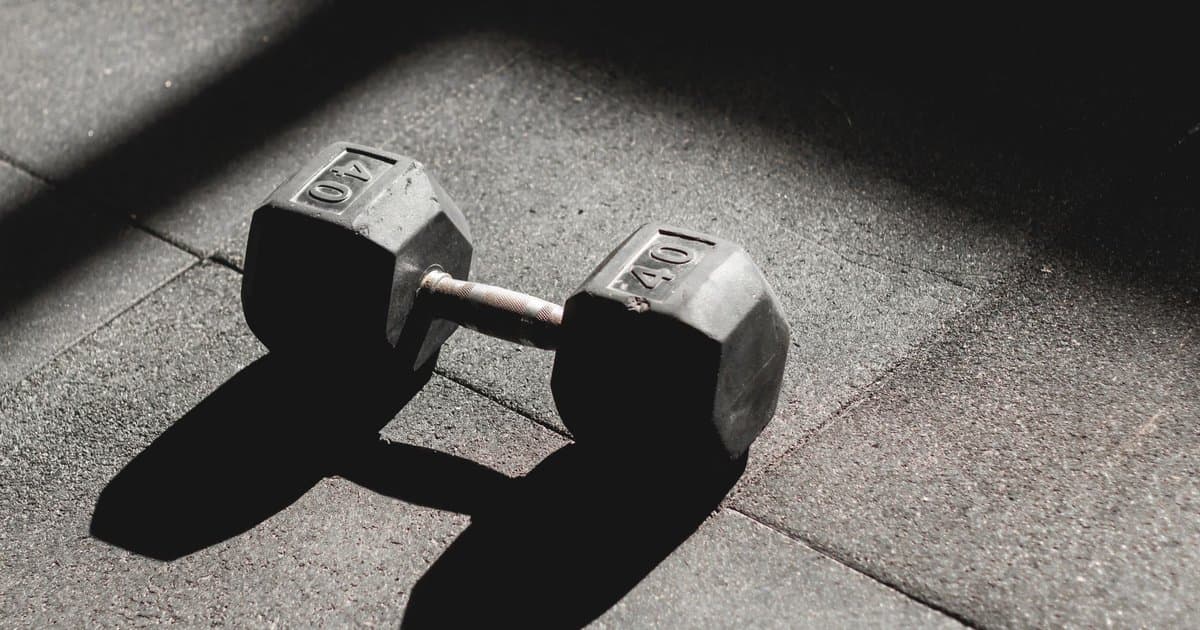
A large body of research over the last decade has compared heavy training with lighter training, and the result keeps surprising people. When the sets are taken close to failure, a set of twenty reps with a moderate weight grows muscle about as well as a set of six reps with a heavy one. The body does not have a sensor that reads the number on the plate. It responds to the effort, the tension, and the total amount of hard work the muscle does over time. That total work, often called volume, turns out to be the variable that tracks most closely with growth. Heavy and light are simply two roads to the same place.
This matters because the obsession with heavy loads carries a hidden cost. Maximal weights beat up your joints, your tendons, and your nervous system. You can only do so many brutally heavy sets before recovery falls behind and progress stalls or an injury shows up. Moderate loads let you accumulate far more quality sets across a week with less wear on the body. You can train a muscle group more often, recover faster between sessions, and keep the work consistent for months instead of crashing every few weeks. Consistency over months is what actually changes how you look, and lighter training protects your ability to stay consistent.
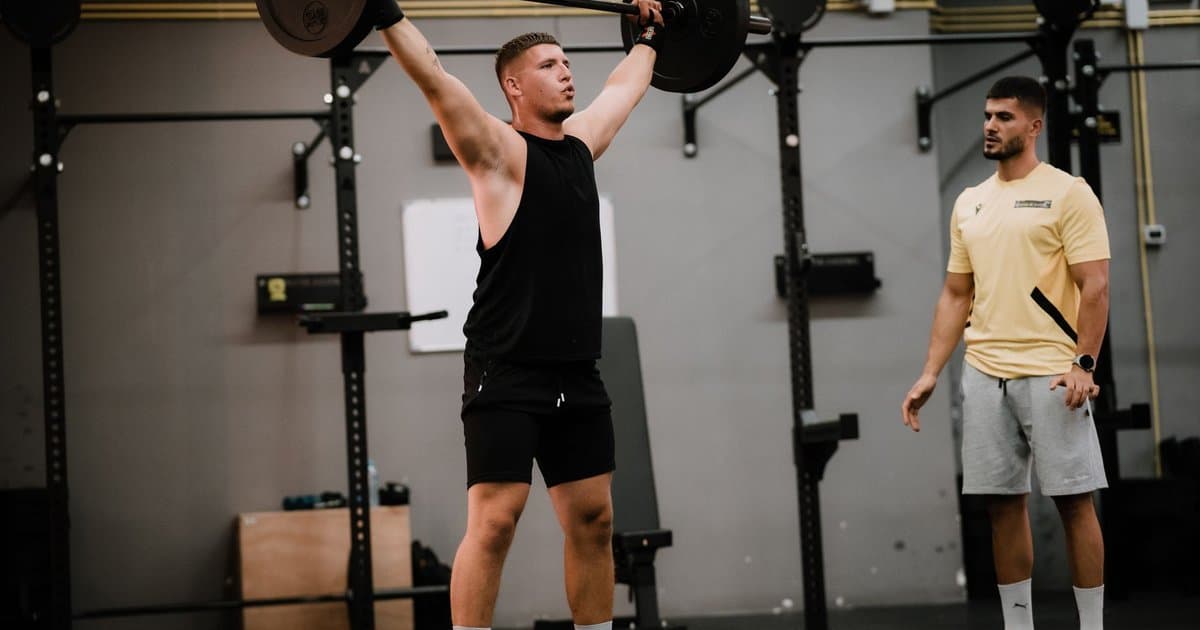
There is one place where heavy weight still earns its keep, and it is worth being honest about. If your goal is raw strength, the ability to move a maximal load one time, you do need to practice with heavy loads, because strength is partly a skill. Lifting near your limit teaches your nervous system to recruit muscle efficiently and brace under a heavy bar. So a powerlifter trains heavy for good reason. But most people in the gym are not chasing a one-rep max. They want to build muscle, look better, and feel strong in daily life, and for that goal the weight on the bar is just one option among several that all work.
So what should you actually do with this? Stop treating the number on the bar as the scoreboard. Pick a load you can handle with good form for somewhere between five and thirty reps, and take most of your sets within a couple of reps of failure. Then focus on the things that genuinely move the needle, which are total weekly sets per muscle, steady progress over time, and enough sleep and protein to recover. Some days you will go heavier and some lighter, and both will count. The goal is to keep showing up and keep the hard sets piling up, week after week, without breaking down.
It helps to picture what a week actually looks like under this approach. Instead of three brutal sessions built around a handful of maximal lifts, you spread your hard sets across more frequent, more manageable workouts. A muscle group might get trained twice or even three times a week, each time with enough effort to matter but not enough to wreck you for days. You finish most sessions feeling worked rather than destroyed, which means you come back ready instead of beaten down. Over a month that adds up to far more total quality sets than a max-effort approach allows. And because the loads are kinder to your joints, you are far less likely to lose weeks to a tweaked back or an angry shoulder. Steady accumulation beats heroic single efforts almost every time.
The freedom in this is real. You are not failing because you cannot add five pounds to the bar this week. You can train hard, grow, and stay healthy using weights that feel manageable, as long as the effort is honest and the volume adds up. Heavy lifting is a tool, not the whole toolbox, and treating it as the only path to size sends a lot of people toward burnout and injury for no extra reward. Train with intent, push the sets that matter, and let the bigger number come as a byproduct instead of the obsession. Your joints, and your long-term progress, will thank you.