Most people read Scripture the way they read email. Eyes scan the page, brain pulls out the main idea, and they move on. That works for getting through a chapter a day. It does not work for actually hearing what the text is saying. Lectio divina is a different way of reading. Benedictine monks have been doing it since around the sixth century. The structure has four steps. Read, meditate, pray, contemplate. The whole thing takes 15 to 25 minutes for a single short passage.
The first step is reading. Pick a short passage, often three to ten verses. Read it slowly out loud. Read it again. The point is not to cover ground. The point is to let the words land. Most people skip this part because they feel like they should be moving faster. Slow down anyway. Out loud matters more than people think because hearing the words activates a different part of attention than reading silently.
The second step is meditation. This is not transcendental meditation. It is paying attention to a word or phrase that stood out. Maybe one verse caught you. Maybe a single word. Sit with it. Ask why that word and not another. Turn it over the way you would turn a coin in your hand. Most of the meaning comes here, not in the first read.
The third step is prayer. You respond. You tell God what came up in the meditation. You ask questions. You confess things. You give thanks. This is conversation, not performance. If nothing comes, you sit in silence. Silence is also prayer.
The fourth step is contemplation. You stop talking. You stop thinking. You rest. Most people find this uncomfortable. The American mind wants to do something. Sitting still for two minutes feels like waste. It is not waste. It is the part that actually changes you.
A practical example. Take Psalm 23 verse 1. The Lord is my shepherd. I shall not want. Read those two lines slowly three times. Notice what surfaces. Maybe the word want catches you because you have been wanting a lot lately. Sit with it. Ask why. Pray about what you have been chasing. Then sit in silence and let the line do whatever it is going to do.
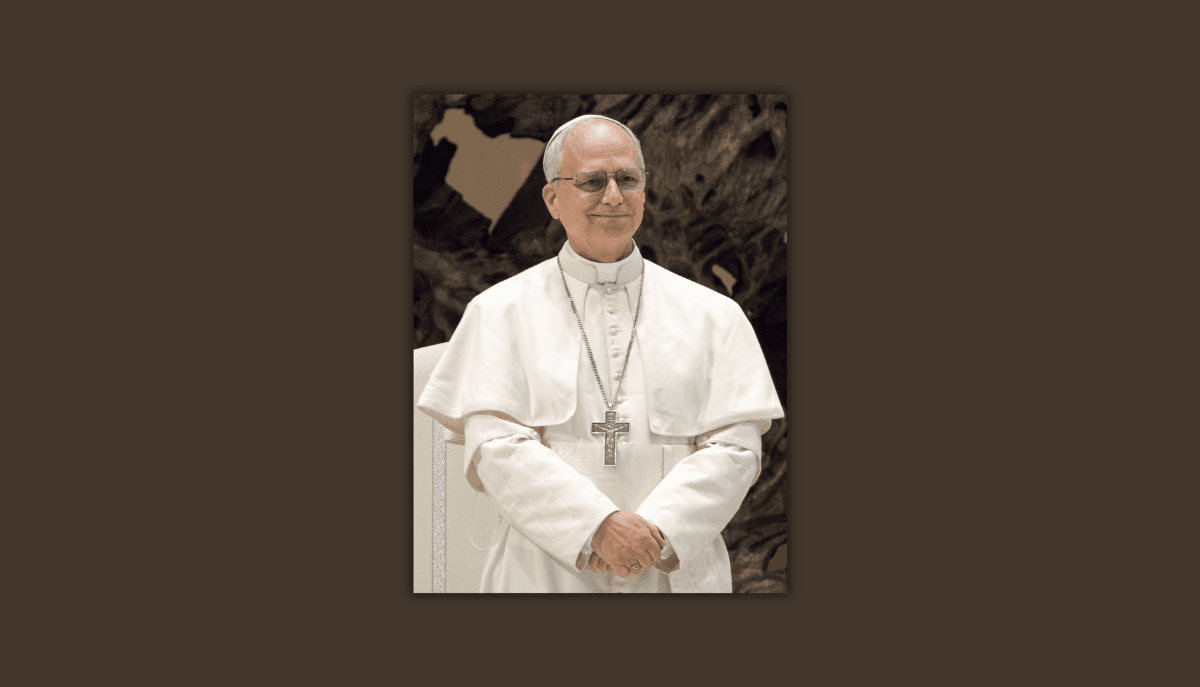
Bishop Robert Barron has a popular series on this practice. The Hallow app added a guided lectio divina track in late 2024 that grew to 1.4 million sessions in the first six months. Trappist monks at Mepkin Abbey in South Carolina teach a free monthly online session. The Catechism in paragraph 2708 calls meditation a quest for the meaning of God in our lives.
Why this matters for someone running a business. The mind that runs a business is busy. It scans, sorts, decides, and moves on. That mind cannot pray. It can read about prayer. It can talk about prayer. It cannot actually do it. Lectio divina trains the mind to slow down. After three months of doing this five mornings a week, most people report a different relationship with Scripture and a calmer first hour of the workday.
Common mistakes. Trying to cover too much text in one sitting. Three verses is enough. Skipping contemplation because it feels passive. Rushing the meditation because you feel like you need an insight. The point is not insight. The point is presence. People also try to keep a journal mid-practice. Skip that. Write something down after if you want, but do not interrupt the four steps to take notes.
The Liturgy of the Hours uses passages picked by the Church across a four week cycle. You can use the daily Mass readings instead. You can use the Psalms. The text matters less than the way you read it. The Diocese of Nashville posts daily readings on its website if you want a consistent feed without picking each morning.
A 15 minute practice that costs nothing and works the same in 2026 as it did in 526. That is rare in the spiritual life. Most things require a cost or a credential. This requires a chair, a Bible, and 15 minutes you would otherwise spend on your phone.
The first two weeks feel awkward. The mind wanders. You think about your inbox. You feel like you are doing it wrong. You are not. Keep showing up. By week four the mind starts to settle within the first three minutes. By week eight the practice carries into the rest of the day. That is the whole point. Not better quiet time. A better self when the quiet is over.