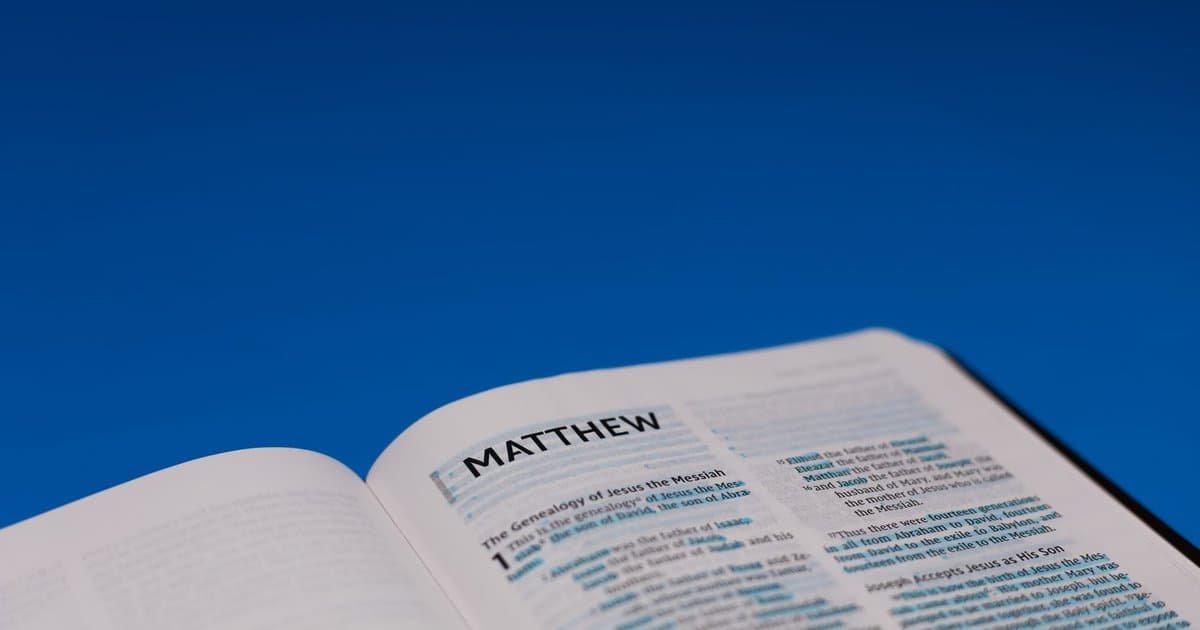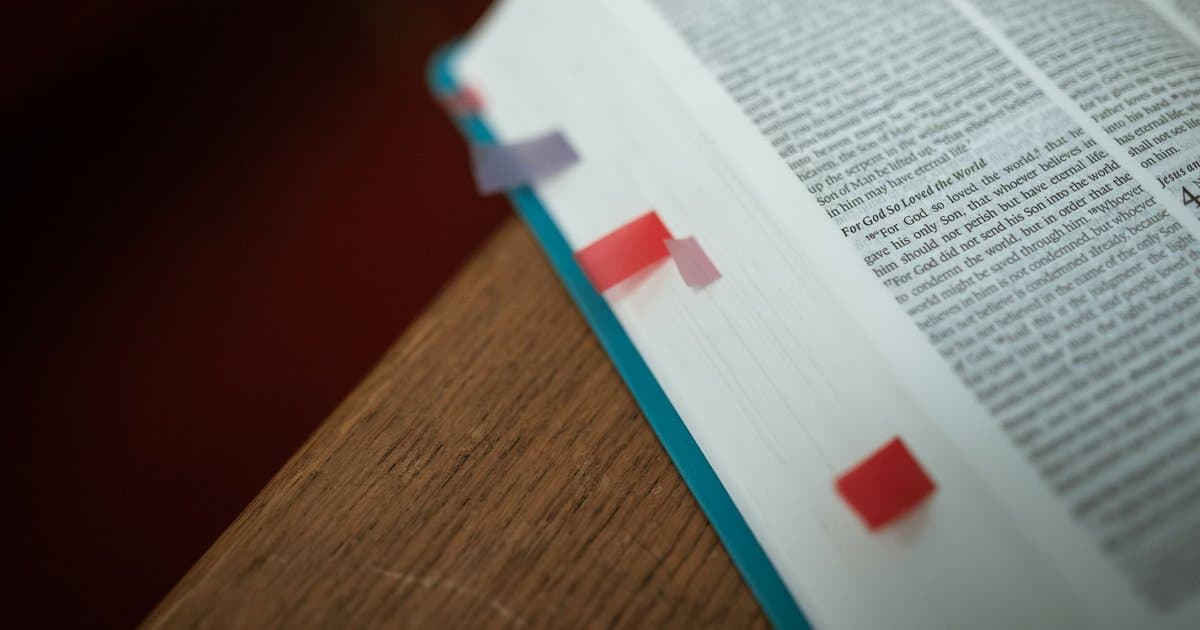
Open any Bible and the numbers are so much a part of the page that they read as part of the text. Chapter headings in bold, verse numbers in small type, a heading every few paragraphs telling you what the section is about. It feels original, as though the writers laid it out that way. None of it is. The gap is bigger than most readers guess. The chapter numbers, the verse numbers, and the section headings were all added by editors and printers many centuries after the last book was finished, and knowing that changes how a person reads.
The manuscripts these translations rest on look nothing like a modern page. Early Greek copies of the New Testament were often written in what scholars call continuous script, with no spaces between words, no lower case letters, and little or no punctuation. A reader worked out where one word ended and the next began by knowing the language. The Hebrew scriptures had older division systems of their own, including reading portions and the verse endings marked by the Masoretic scribes, but those were not the numbered verses in use today. What a first century church heard was a letter or a scroll read straight through, start to finish, without anyone announcing a chapter. The look of the page is a later invention.
The chapter divisions in common use are generally credited to Stephen Langton, an English scholar who became Archbishop of Canterbury and worked out the scheme around the early thirteenth century. Verse numbering for the New Testament came later, from the Paris printer Robert Estienne, who included them in a Greek edition published in 1551. Estienne applied numbering across the whole Bible in a Latin edition a few years after that. The Geneva Bible of 1560 was the first complete English Bible printed with verse numbers throughout, and once the format proved useful for study it never went away. The gap between the writing and the numbering is well over a thousand years. That is a long time for a page to change shape.
That system did something genuinely valuable, and the point here is not to knock it. Numbering made concordances possible, and a concordance is what lets a person trace a word across sixty six books in an afternoon. It made citation possible, so two people in different cities can turn to the same sentence without describing where it sits on the scroll. It made cross references, study Bibles, memory work, and public teaching far easier. Any preacher who has ever asked a room to turn to a passage is relying on a printer from the fifteen hundreds. The tool works, and it works well. It is a good tool and it earned its place.
The trouble is that a filing system quietly starts acting like an argument. Chapter breaks sometimes land in the middle of a thought and split it into two pieces that then get read separately. The servant passage that runs from Isaiah 52:13 through the end of Isaiah 53 is one continuous unit, and the chapter break drops right into the middle of it. Genesis puts the seventh day of the creation week at the start of chapter 2, separating it from the six days it belongs with. Paul's sentence about imitating him closes one chapter of First Corinthians and opens the next. Read to the number and you stop where a medieval editor stopped, not where the writer did.
Section headings deserve their own mention, because readers trust them more than they realize. Those bold lines announcing a topic are written by the translation committee, not carried over from any manuscript. Different translations of the same passage will label it differently, and the label steers the reading before the reading begins. A heading that names a parable one thing frames every sentence under it. None of that is dishonest and the headings are usually reasonable, but they are commentary printed in the same typeface as the text, which is a strange thing to hand a reader without a note. Read the text and let the heading sit to the side.
What to do about it is simple and it costs nothing. Read whole books in one sitting when you can, the way the first audience received them, and let the paragraph breaks fall where the writing puts them. When you study a passage, back up and read what comes before and after until you find where the thought actually starts and stops. Some editions print the text without verse numbers in the body, and reading one of those for a season is worth the adjustment. Try it once and see what you notice. Keep the numbers for what they are good at, which is finding your place and pointing someone else to it. Just do not let a thirteenth century filing decision tell you where an idea ends.