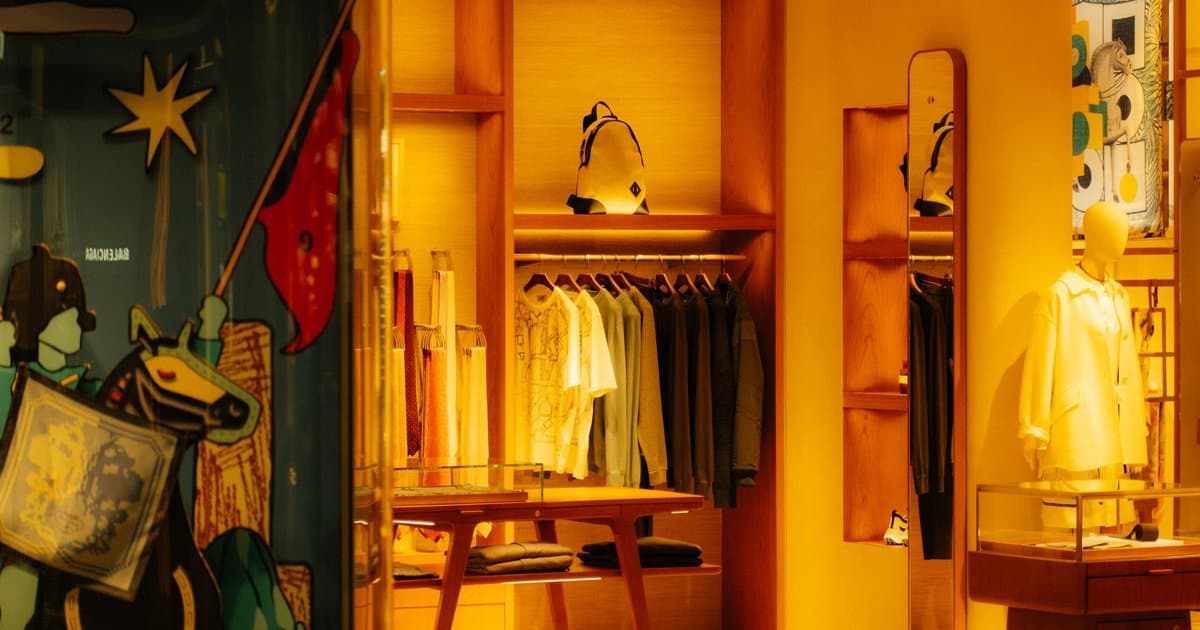
Walk into almost any large store and you step into a machine built to sell. Nothing about the layout is an accident. The lighting, the music, the path you walk, the shelf your eyes land on first, all of it was planned by people who study how shoppers move and decide. That is not a dark secret. It is simply how retail works, and the store is very good at it. Once you can see the tricks, they lose most of their power, so here are six of the most common.
The first is the placement of the things you came for. Milk, eggs, and bread sit at the very back of the grocery store, as far from the door as the building allows. You need them, so you have to walk the length of the aisles to reach them. Along that walk you pass hundreds of items you did not plan to buy. Every extra second in the store is another chance for something to land in your cart. The staples are the bait, and the long walk to them is the point.
The second is shelf height. The most profitable products sit right at adult eye level, where your gaze naturally rests. Store brands and cheaper options are often pushed to the top or bottom shelves, where you have to look and reach for them. Sugary cereals and toys sit lower, at the eye level of a child riding in the cart. That placement is deliberate, aimed at the family member most likely to beg. The best deal is rarely the one staring right at you.
The third is what greets you at the door. The front of most stores is bright, open, and filled with flowers or fresh produce. That first stretch is sometimes called the decompression zone, and it exists to slow you from your outside pace to a browsing pace. Fresh, colorful food also makes the whole store feel wholesome and makes you feel good about shopping there. Feeling good lowers your guard. A relaxed shopper is a slower shopper, and a slower shopper spends more.
The fourth trick you can hear. Stores play slow, soft music on purpose, because a slower beat makes people walk slower and linger longer. The longer you stay, the more you tend to buy. Restaurants use the reverse when they want tables to turn quickly, playing faster songs to move you along. The volume and tempo are tuned to the goal of the room. Next time, notice how the sound sets your pace without a single word.
The fifth is the display at the end of each aisle, called an end cap. Those spots feel like deals because they are set apart and often wear a bright sale tag. Many are not discounts at all. Brands pay for that prime spot, and the sign is doing the selling, not the price. A yellow tag or the simple word sale can lift purchases even when the number has not moved. Always check the regular shelf price before you trust the display.
The sixth is the cart itself, and how you pay. Carts have grown larger over the years, and a bigger cart makes your pile look small, so you keep adding to it. Paying with a card or a phone also hurts less than handing over cash, so you spend more without the same sting. Free samples, loyalty apps, and the smell of a bakery near the entrance all pull in the same direction. None of these are evil. They are just tuned to open your wallet a little wider.
These tricks did not stay inside the physical store. Online shops run their own versions, tuned by data most aisles could never gather. The item a site shows first is often the one it most wants to sell, not the cheapest or the best. Countdown timers and low stock warnings push you to buy fast before you can think it over. Free shipping thresholds nudge you to add one more item to hit the number. Saved cards and one click buttons remove the last pause between wanting and paying. The store even remembers what you looked at and follows you with ads for days. The screen is just a shelf with sharper tools.
Knowing the plan is how you shop the plan instead of falling for it. Go in with a written list and mostly stick to it. Eat before you go, since a hungry shopper buys far more, especially junk food. Check the top and bottom shelves for the real value, and do the price math on anything wearing a sale sign. Bring a smaller basket when you only need a few things, so you are not tempted to fill a giant cart. The store will keep doing its job. Your job is to walk in awake.