A car left in the sun does not just get warm. It turns into an oven. On a day in the nineties, the inside of a closed car can climb past a hundred and thirty degrees within an hour, and the dashboard runs hotter still. That kind of heat does more than make the seats uncomfortable. It quietly ruins, wastes, or even endangers a handful of things people leave behind without a second thought. Here are five worth carrying inside with you.
Start with medications, because this one can affect your health directly. Many common drugs are meant to be kept at room temperature, and heat breaks them down. Insulin, certain inhalers, and emergency devices can lose strength after hours in a hot car. Even everyday pills and liquids can degrade faster than the label promises. The medicine may still look normal while doing less than you expect. If you carry anything you truly depend on, the glovebox in July is the wrong place for it.
Your phone, tablet, or laptop is next on the list. The lithium batteries inside them hate heat, and most makers list a safe limit well below what a parked car reaches. Extreme heat can swell a battery, shorten its life, or in rare cases push it to fail. Screens and storage can suffer too, and a device that overheats may shut down until it cools. Leaving a laptop baking on the seat all afternoon is a slow way to wreck an expensive tool. Tuck it in the trunk at least, or better, take it with you.
Sunscreen is one people leave in the car all summer, which is the worst place for it. The active ingredients that block the sun break down when they cook, so the bottle protects you less over time. Many sunscreens also come in pressurized cans, and heat raises the pressure until a can can leak or burst. You end up trusting a bottle that has quietly gone weak right when you need it at the beach. Store it somewhere cool and check the date. A ruined tube is cheap, but a bad burn is not.
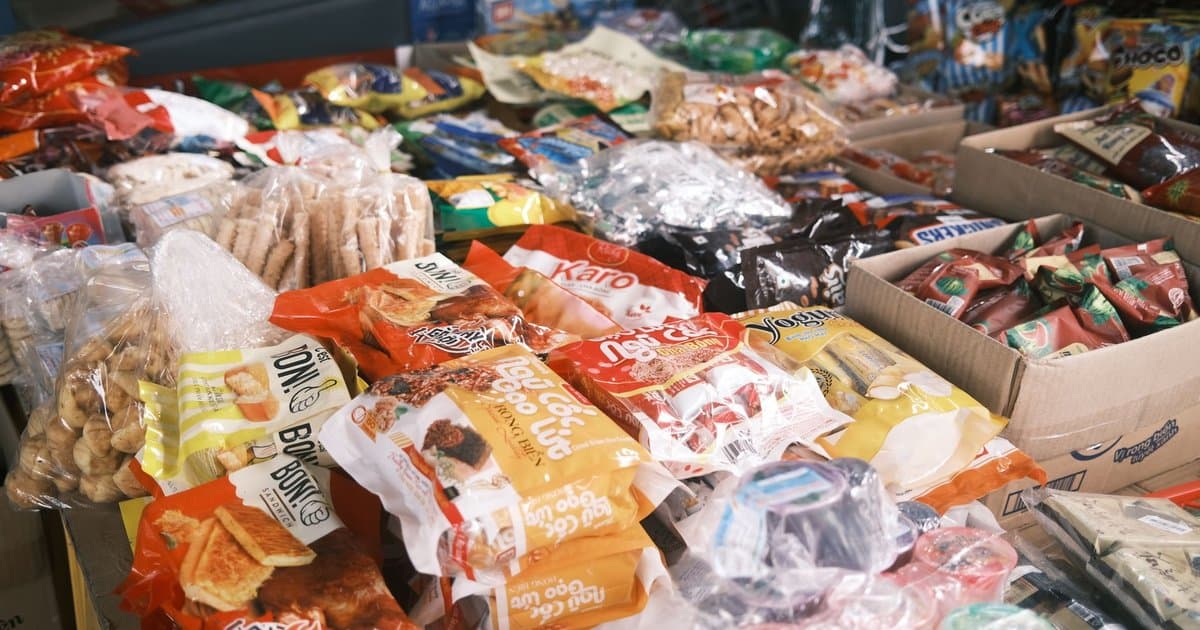
Groceries and any perishable food should never ride around in a hot car. Bacteria multiply fast once food climbs above forty degrees, and a warm trunk blows past that in minutes. Meat, dairy, eggs, and cut fruit sit in the danger zone the whole drive home if you run errands after. A short stop can be enough to make a meal risky, even if the food still looks and smells fine. Plan the grocery run as the last stop before home. If something has been warm too long, the safe move is to let it go.
The last item is the one that can actually be dangerous to the car. Disposable lighters are filled with pressurized butane, and enough heat can make one leak or even rupture. Aerosol cans, from spray paint to dry shampoo, carry the same risk as the pressure inside climbs. A can that bursts in a closed car can crack a windshield or spray its contents everywhere. Carbonated drinks can pop their seals in the heat too, though those just make a sticky mess. Keep pressurized anything out of a car that sits in the sun.
None of those five matter next to the two the whole world should already know. Never leave a child or a pet in a parked car, not even for a quick errand, not even with the windows cracked. A car heats up shockingly fast, and a small body cannot cool itself the way an adult can. Every summer this warning gets repeated because every summer it is ignored, often by loving parents who lost track of a quiet backseat. If you carry kids, build a habit that forces a glance back, like putting your bag by their seat. It is the cheapest insurance there is.
The theme tying all of this together is simple. A parked car in summer is not neutral storage. It is a small, sealed box that traps and builds heat far past what feels possible from the outside. Things you would never leave in an oven do not belong in it either. A quick habit of scanning the seats before you walk away catches almost all of it. Thirty seconds of looking beats a spoiled dinner, a dead laptop, a weak dose, or something far worse.