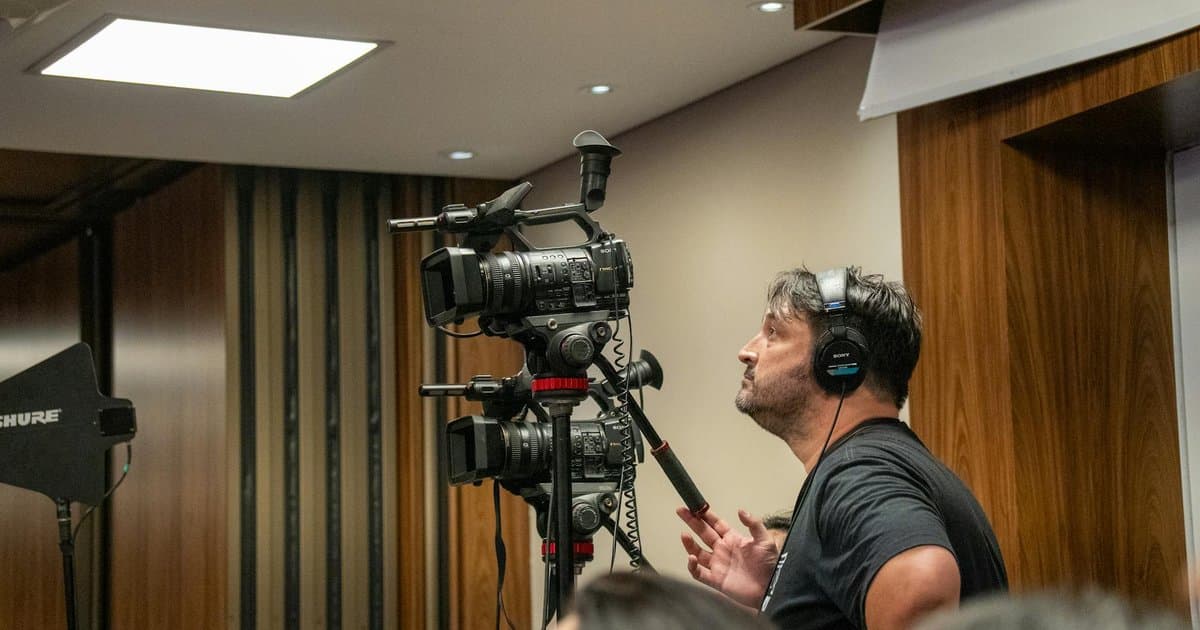
The shoots that go wrong almost never go wrong because of skill. They go wrong because of preparation. Most working videographers will tell you the same thing if you ask. The difference between a smooth ten-hour wedding and a salvage job is what you do in the 24 hours before the camera comes out of the bag. There are four checks that separate the people who keep getting hired from the people who keep losing clients. They are not glamorous. None of them involve gear talk on Instagram.
The first check is power. Every battery in the bag should be charged the night before, labeled with the cycle count if you track that, and tested under load before you leave the house. A Canon LP-E6P with 30 cycles will hold its rated runtime. The same battery at 200 cycles will not. The same goes for audio. Sony UWP-D wireless lavs eat AAs faster than most people remember, and lithium primaries last roughly four times as long as alkaline under continuous transmit. Bring twice the count you think you need. The cost of dead audio at minute 47 of a sermon you cannot reshoot is the entire job.
The second check is media. Every memory card should be formatted in the camera body you are about to use, not on a computer, not in another camera. Card corruption is the single most common cause of unrecoverable shoot loss. The 2024 Pocket Wizard service report cited media error as the cause in 41 percent of returned post-shoot data recovery requests. Format two cards minimum, three if you are recording dual-stream proxy. Label each card with the date and the slot. Carry a spare card pouch in a pocket that is not on your camera bag. If a card fails mid-shoot, the swap should be muscle memory.
The third check is signal path. That means audio routing, monitor link, and recording target verified before the talent walks in. Open the camera, run a test clip of yourself counting to ten, watch the playback on the field monitor, listen to the audio through headphones, and confirm the file ended up on the card you expected. This whole process takes 90 seconds. It is the single most reliable predictor of whether you will discover three hours into the shoot that the second body has been recording to internal memory the whole time. Every working videographer has that story. The ones who tell it once never tell it twice.
The fourth check is the room. Walk the location before the shoot starts. If you cannot scout in person, look at it on Google Street View and pull up a floor plan from the venue's events page. Note three things. Where the natural light comes from at the time of day you will be filming. Where the power outlets are located. Where the loudest source of unwanted sound lives. A wedding reception held under a flight path in Donelson sounds different than the same reception in Brentwood. Knowing that in advance is the difference between a clean ceremony track and a salvage job in post.
Most people skip these four checks because they feel like overhead. They are not overhead. They are the work. The actual on-camera time of a wedding is roughly six hours of run time. The pre-shoot prep that separates a confident operator from a scrambling one is roughly 90 minutes of focused work the day before. The post-shoot edit that follows good prep is roughly four hours faster than the same edit following bad prep, because the footage is usable, the audio is clean, and the cards are organized by ceremony segment.
There is one more habit worth adding once the basics are dialed in. Keep a written pre-shoot checklist in a notes app on your phone. The list does not need to be long. Twelve items is enough. Each item gets checked off out loud before the bag closes. The reason to say it out loud is the same reason airline pilots run their before-takeoff list out loud. Saying the item activates a different memory pathway than reading it silently. Skipped items get caught roughly 70 percent of the time at the spoken-confirmation step, according to internal safety audits at most major commercial carriers.
The videographers who book steady work past the two-year mark almost all run a version of this checklist. The ones who burn out or lose clients within the first 18 months almost all skip it. That is not coincidence. The job is not the camera. The job is showing up ready, executing without surprise, and delivering footage that does not need to be rescued. The four checks above are what make the rest of the work possible.