A good nonstick pan should make cooking easier, and for a while it truly does. Then one day eggs start sticking, the coating looks dull, and you blame the pan for being cheap. Most of the time the pan did not fail on its own, the habits around it did. Nonstick coatings are tougher than they look in some ways and far more fragile in others. Treated well, a decent pan lasts a few good years, and treated badly it can be ruined in months. Three common habits do most of the damage, and all three are easy to fix. None of them require you to buy anything new at all. They only require knowing what the coating can and cannot take.
The first mistake is cranking the burner high, especially with an empty pan sitting on it. Nonstick coatings are built for low and medium heat, not the roaring flame you would use to sear a steak in steel. An empty nonstick pan left on a high burner can reach very high temperatures in only a couple of minutes. Past a certain point the coating starts to break down, and it can give off fumes you do not want in your kitchen. Those fumes are strong enough to sicken small pets like birds, which is a loud warning sign for people too. The fix is simple, keep the heat at medium or below, and never preheat a nonstick pan bone dry. Add a little oil or the food itself before the burner ever goes on. Save the roaring high heat for pans that were actually built for it.
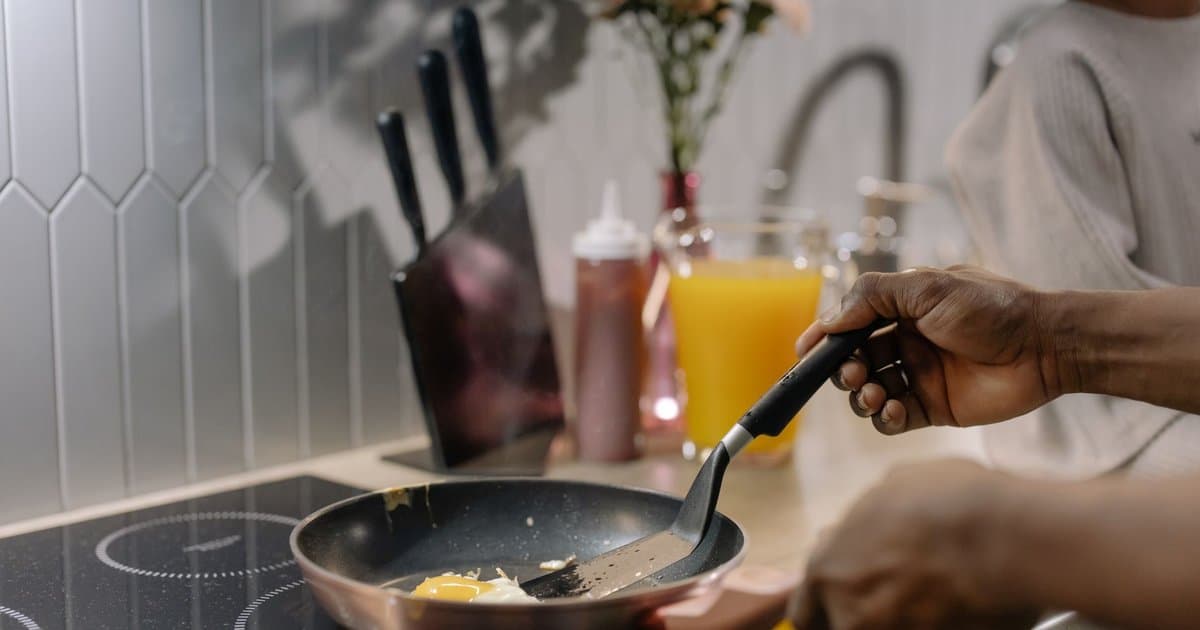
The second habit is attacking the surface with all the wrong tools. Metal spatulas, forks, and whisks scrape thin lines into the coating every time they touch it. Once the surface is scratched, food grabs those grooves and the nonstick magic starts to fade fast. Steel wool and gritty scrubbing pads do the very same damage during cleanup. Even stacking pans bare inside each other lets the hard rims carve up the surfaces below. The fix here costs almost nothing, use wood, silicone, or nylon tools, and clean with a soft sponge. If you must stack pans, slide a paper towel or cloth between them to guard the coating. Treat the surface like it scratches easily, because that is exactly what it does.
The third habit surprises almost everyone, and it is the cooking spray so many of us reach for. Aerosol sprays contain more than plain oil, and they leave a thin, sticky film that heat bakes onto the pan. That film builds up in a layer that regular washing simply cannot remove. Over time it turns gummy and brown, and it actually makes food stick more, the exact opposite of what you wanted. It also traps and darkens on the spots the spray happens to miss. The fix is to skip the spray on nonstick and use a small amount of regular oil instead. A little oil from a bottle, wiped around with a paper towel, does the same job without any residue. Your pan stays clean and slick far longer that way.
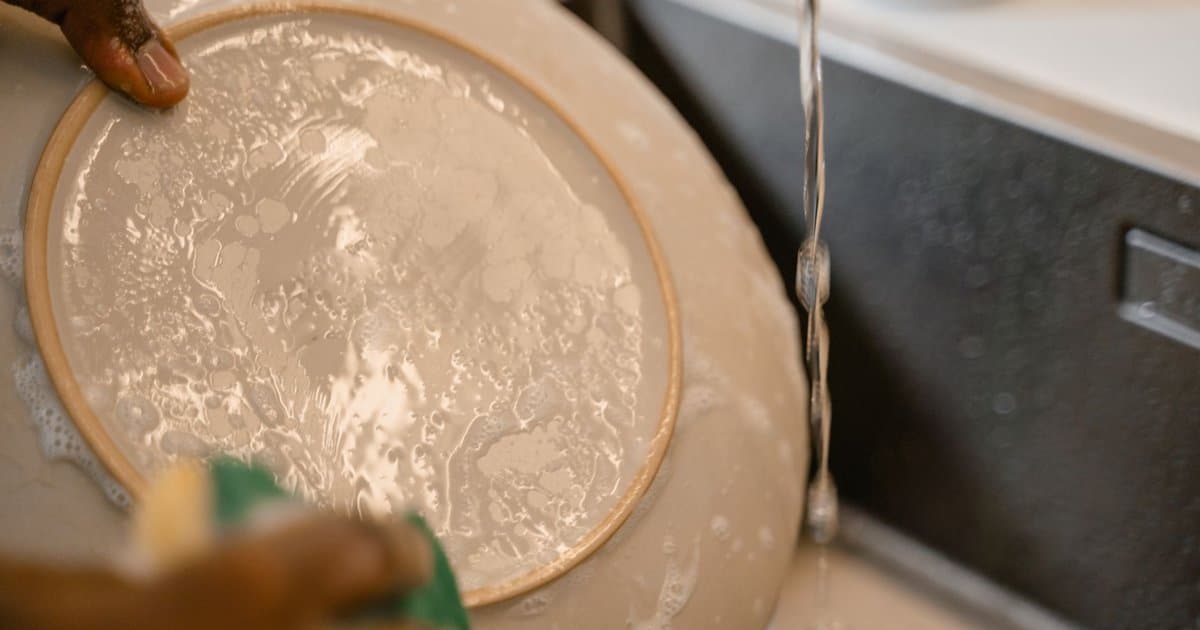
A few more small moves stretch a pan's life well past the average. Let a hot pan cool before you rinse it, because a sharp jump from hot to cold water can warp the base and stress the coating. Skip the dishwasher, where harsh detergent and heat wear the surface down faster than a gentle hand wash ever would. Cook acidic foods like tomato sauce in a different pan when you can, since acid slowly eats at some coatings. Store the pan somewhere its surface will not get banged around by everything else. None of these steps take any real effort, they are just habits worth building once. Small daily care beats replacing a pan every single year. The coating quietly rewards gentleness with a much longer life. Keep one soft pan just for eggs and delicate jobs, and use steel for the hard sear. Matching the pan to the task spares the coating the abuse it was never built to take. A little planning at the stove saves you real money at the store.
Even with perfect care, no nonstick pan lasts forever, and that is worth knowing too. Most give you a few good years before the coating naturally gives out. When the surface is deeply scratched, flaking, or badly discolored, it has done its job and it is time to retire it. A pan that has started to peel is not one to keep pushing through. The goal here is not to baby a pan for a decade, it is to get the full life it was built for instead of half. Keep the heat moderate, use soft tools, skip the spray, and wash it by hand. Do that and eggs keep sliding right off for years. Fight those three habits and the pan will outlast every cheap one you have thrown away.