Banks rarely advertise the fees that make them the most money, and that quiet is the whole point. Most people glance at their balance, see the deposits and the spending, and never scroll down to the line items that pull money out for no service they asked for. Those small charges feel too minor to chase, which is exactly why they survive year after year and add up to real numbers. Across the country, ordinary checking accounts leak hundreds of dollars annually through fees that almost any account holder could avoid with one phone call or one setting change. The money is not lost to a market crash or a bad investment. It is handed over a few dollars at a time to a system designed so you do not notice. Three of these fees stand out because they are common, avoidable, and far larger over a year than they look on any single statement.
The first is the monthly maintenance fee, which banks charge simply for the privilege of holding your account open. These run from a few dollars to fifteen or more per month, and many people pay them without realizing the fee exists at all because it blends into normal activity. The frustrating part is that almost every bank waives this charge if you meet a basic condition, such as keeping a minimum balance, setting up a direct deposit, or holding a second account with them. Plenty of fully free checking accounts also exist, especially at credit unions and online banks that do not carry the cost of physical branches. Paying twelve dollars a month for a standard checking account works out to nearly a hundred and fifty dollars a year, gone with nothing to show for it. A single conversation with the bank, or a switch to a no-fee account, ends the bleed permanently.
The second is the overdraft fee, which is one of the most expensive charges in everyday banking. When a purchase pushes your balance below zero, many banks cover it and then charge roughly thirty to thirty-five dollars for the favor, sometimes several times in one day. A four-dollar coffee that triggers an overdraft can quietly cost you more than thirty dollars, and a string of small purchases on a low balance can stack into a brutal afternoon. The fix is to turn off overdraft coverage so the card simply declines instead of approving the charge and billing you for it. You can also set a low-balance alert that texts you before the account dips into dangerous territory. Declining a purchase stings for a moment, but it costs nothing, while the overdraft fee is one of the worst returns on a few dollars you will ever find.
The third is the out-of-network ATM fee, which hits twice and barely registers as it happens. When you pull cash from a machine outside your bank's network, the ATM owner charges a fee, and your own bank often charges a second one on top of it. Together these can run four to six dollars for the simple act of getting your own money, and people who do this a few times a month bleed real cash without thinking about it. The remedy is to plan around your bank's network, use cash-back at the grocery checkout, or choose a bank that reimburses these charges entirely. Some online banks refund every ATM fee you incur, which removes the problem for anyone who relies on cash. A few dollars per withdrawal feels trivial in the moment, but counted across a year it lands in the same range as the other two.
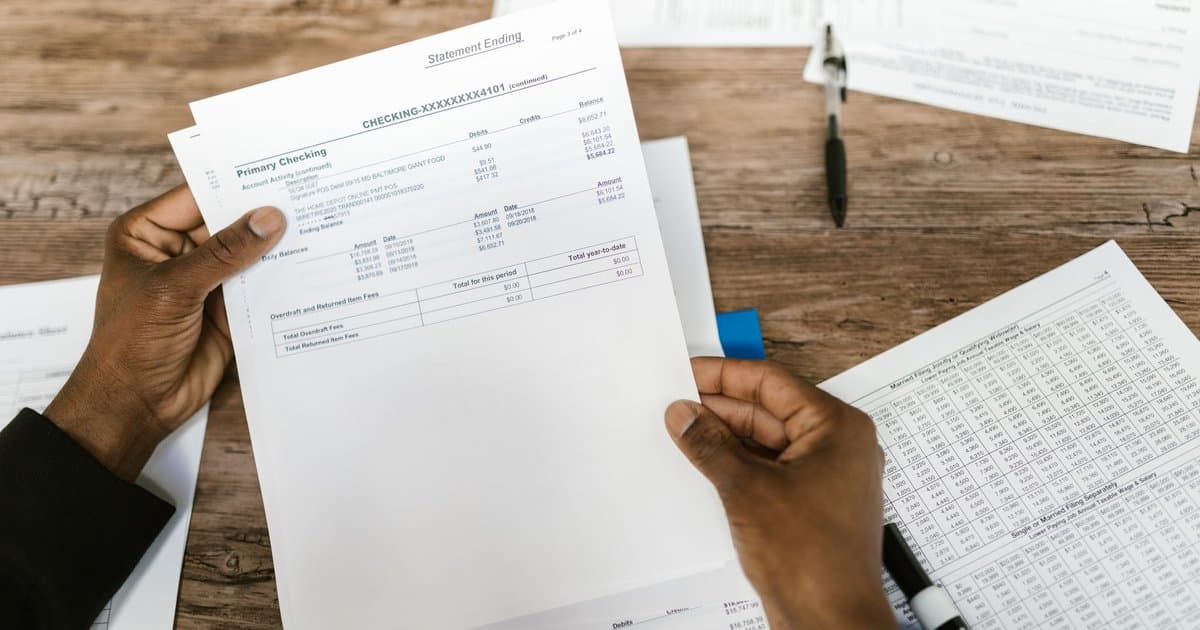
None of these fees are a mystery to the banks collecting them, and none of them require you to be wealthy or financially sophisticated to escape. They survive on inattention, on the reasonable assumption that you have better things to do than audit a statement line by line. Pulling up the last few months of activity and circling every charge that is not a purchase or a transfer takes about ten minutes. Once you see them, the fixes are mostly one-time actions that keep paying you back every month afterward. The goal is not to obsess over pennies but to stop a steady, silent outflow that funds the bank and does nothing for you. Money you keep by killing a fee is the easiest raise you will ever give yourself.