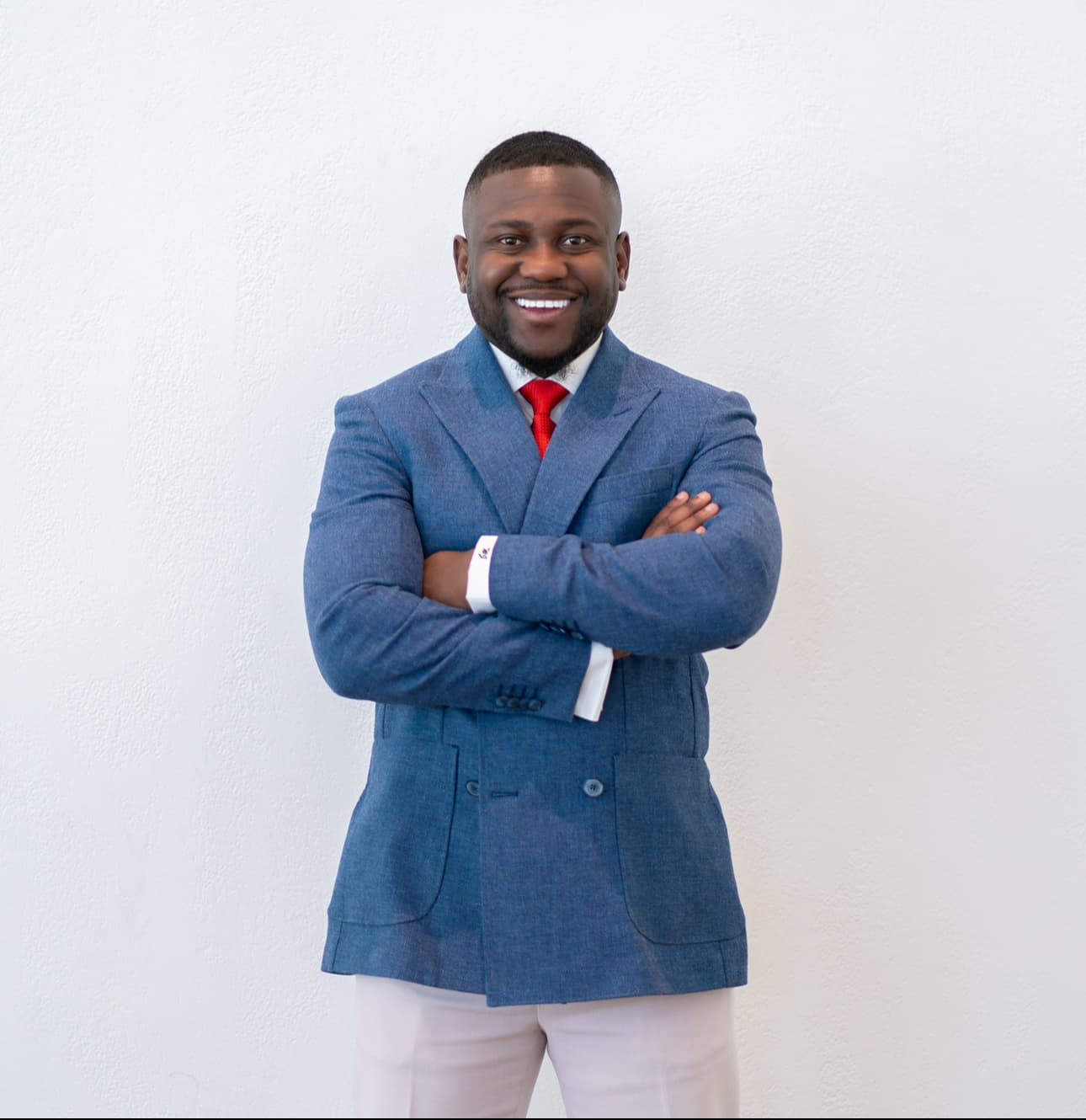
The publication takes five percent. The writer keeps ninety-five. Most publications run that math the other way, and Wesley Joseph knows it. He set the split this way on purpose, because the only way to get the operators he wants writing for Wesley Insider is to make the unit economics actually work for the writer.
"We take 5% because we want the best operators writing here, and that math only works if they actually win," he says.
The dying part was the middle layer between the writer and the reader, and that layer was always extractive.
Wesley Insider is a digital publication for business owners and operators, built and run out of Nashville. Joseph started it as part of a small portfolio of businesses he has been assembling across media, real estate, and AI over the last two to three years. The publication side is the one he will talk about. The rest stays private.
A typical week splits between editorial and product. Mornings open with the team walking through what is in the pipeline and what is shipping that day. Middays are meetings, feature interviews, and time with his developer on the Wesley Insider Network app, a membership community for entrepreneurs the team is building alongside the publication. Evenings are internal tooling for a podcast he is planning to launch, plus the deeper writing that does not fit into the daytime stretch.
The numbers right now: 47 active contributors, 201 pieces published in the last seven days, 8,400 newsletter subscribers and growing. The constraint is not output. The constraint is distribution. There is more good content than there is audience for it, and closing that gap is the work of the next stretch.
A smart outsider would look at all of this and assume publications are dying. Joseph would push back on the framing. What is dying, in his read, is the publication business that depends on selling display ads to algorithms, with an extractive middle layer between the writer and the reader. The model he is running, a real relationship with a specific audience and a real cut of the upside for the writers, is one of the few sustainable shapes left in media.
I had built them on top of fragile ground.
Joseph grew up in Cap-Haïtien, Haiti. He names three things that shaped him: faith, watching his father run his business, and the immigrant experience of having to build everything from scratch when the safety net is not there. "You learn early that nothing arrives on its own. You either make it or you don't." He has been an entrepreneur since high school, so there is no clean turning-point story to tell. The disposition was always there. What changed over time was what he was building and how seriously he took the craft of building it.
Then the pandemic hit, and he lost everything. Businesses he had built, work he had put years into, gone in a stretch where the world stopped and there was nothing to do but watch it unwind. The cost was years of momentum. The lesson was structural. "I had built them on top of fragile ground."
The rebuild was deliberate. No shortcuts back to where he had been, no patched-together versions of the old businesses. Every business he runs now was built with the assumption that it needs to survive whatever the next disruption is. He calls that discipline the decision that has compounded most. The decision he would undo sits in a different category, the one where you trust too quickly in early ventures and pay full price for the lesson when you could have paid less.
Faith shows up in the daily work, but not in the form people usually expect. Joseph is direct about this. It is not a Bible verse on LinkedIn. It is whether his employees get paid on time and whether the writer who emailed him yesterday hears back today. The ninety-five percent contributor share is part of the same conviction. When someone trusts him with their story for a feature, the way he writes and edits that piece reflects whether he actually believes their work matters.
What he is most excited about now is the shape the contributor side is taking. The people writing for Wesley Insider are starting to be the people he actually wants to be reading. That changes what the publication becomes. The next stretch is giving those operators a real channel to reach an audience that takes business seriously, which means investing in distribution as hard as the team has been investing in editorial.