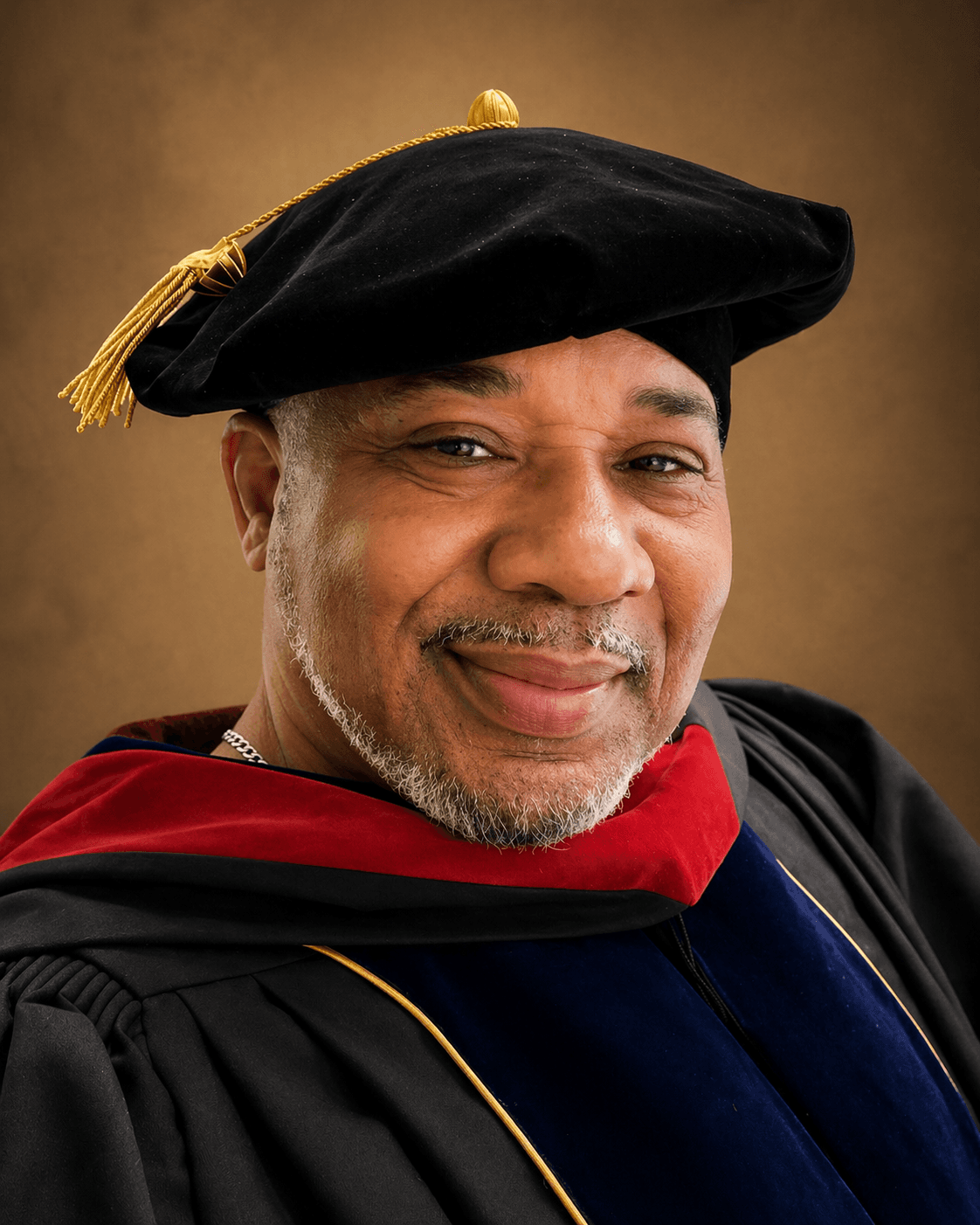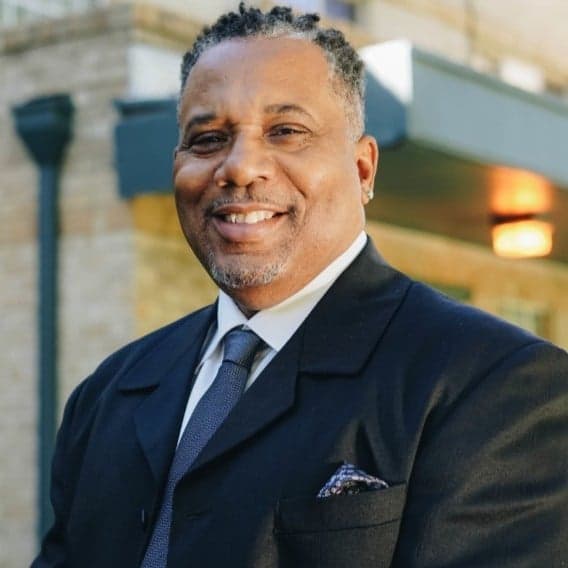
A father calls. Dwayne Meeks's schedule is full. He answers anyway. That, more than anything in the program binders or the keynote decks, is how he describes what purpose looks like in his work. It shows up in consistency. It shows up in who gets a returned call.
Meeks is the founder and president of Urban Colors Fatherhood Experience, based in Denver. He has been doing this work professionally for more than 25 years, helping fathers reconnect with their children, helping men heal, and helping the organizations around them figure out how to engage fathers in a way that actually changes outcomes. The numbers right now: 475 trainings and keynotes delivered, 25 states reached, and a growing list of countries where the work is now showing up.
The outside assumption about fatherhood work is that it is parenting class. Teach men how to be dads. Meeks would push back on that framing. Most of what happens in the room is trauma work, identity work, confidence work, and the slow rebuilding of men who have been told, in a hundred ways, that they no longer matter. Fatherhood is the doorway. What walks through it is human transformation.
I stopped seeing myself as a program facilitator and started seeing myself as an architect of systems, experiences, and solutions that could influence families for generations.
Money flows into Urban Colors through a mix of contracts, training engagements, consulting, speaking, curriculum licensing, program development, and grant-funded initiatives. Organizations hire the team to train staff, run workshops, build programs, and produce measurable outcomes. The part that is harder to see on an invoice is the design work that sits underneath all of it. Frameworks, relationships, trust, cultural shifts inside agencies. Most of that happens long before anyone signs a contract.
There is no typical week. One day Meeks is facilitating a fatherhood group. The next he is advising a state agency, meeting community leaders, building a framework for a nonprofit, preparing a keynote, coaching a practitioner, recording a podcast, or stitching together a partnership. A meaningful share of his hours go into translation, taking what fathers actually need and putting it in language that funders, policymakers, educators, and service providers can hear and fund.
Meeks was born and raised in Brooklyn and moved to Denver in his early thirties. He grew up learning that resilience was necessary, and that resilience by itself was not enough. He watched the difference healthy and unhealthy relationships made in families around him, and he watched how the presence or absence of guidance, accountability, love, and support tracked through to the children. Those observations turned into questions. The questions turned into a career.
The turning point, when he names it, was not a single event so much as a reframe. He realized he was not just helping individual fathers. He was helping redesign how communities think about fathers. After that, he stopped describing himself as a program facilitator and started operating as something closer to an architect, building systems and experiences meant to outlast his own presence in any one room.
Every community has fathers carrying invisible wounds and untapped gifts at the same time. My life's work is helping them heal from one and lead from the other.
The hardest stretches were the ones where the need was visible and the resources were not. Funding was uncertain. Workload was overwhelming. Opportunities were thin. He carried the vision largely on faith, and the cost showed up emotionally, financially, and personally. What kept him in the work was the math of ripple effects. Every father who heals touches a child, and that child touches a family, and the family touches a community.
Faith, for Meeks, is not a register he switches into on stage. "Faith isn't something I turn on when I'm speaking," he says. It shows up in patience, in advocacy for men who do not have anyone else advocating for them, and in a sense that he is accountable to God for how he treats the people in front of him. He takes that seriously because the work is with lives.
The biggest influence on how he operates is not a book or a mentor, although he names both. It is his mother, Pearl Meeks, and the fathers he has sat across from. Men trying to rebuild relationships with their children have taught him more about the work than anything else, and they keep his solutions practical, compassionate, and accountable.
The constraint now is scale. Demand for fatherhood and men's healing work has never been higher, and Meeks can only be in one room at a time. The next chapter, as he describes it, is building the infrastructure, partnerships, and funding base that let the work reach thousands without depending on his personal presence. That means more system design, more curriculum that travels, more practitioners trained to carry the methodology into their own communities.
Meeks has come to believe fatherhood is not a social service category. It is a leadership issue, a public health issue, an educational issue, an economic issue. Most of the problems society spends billions trying to fix downstream, he argues, can be moved upstream through healthier men and engaged fathers. That is the bet Urban Colors is built on, and it is the one he is spending the next stretch of his career trying to prove out at scale.