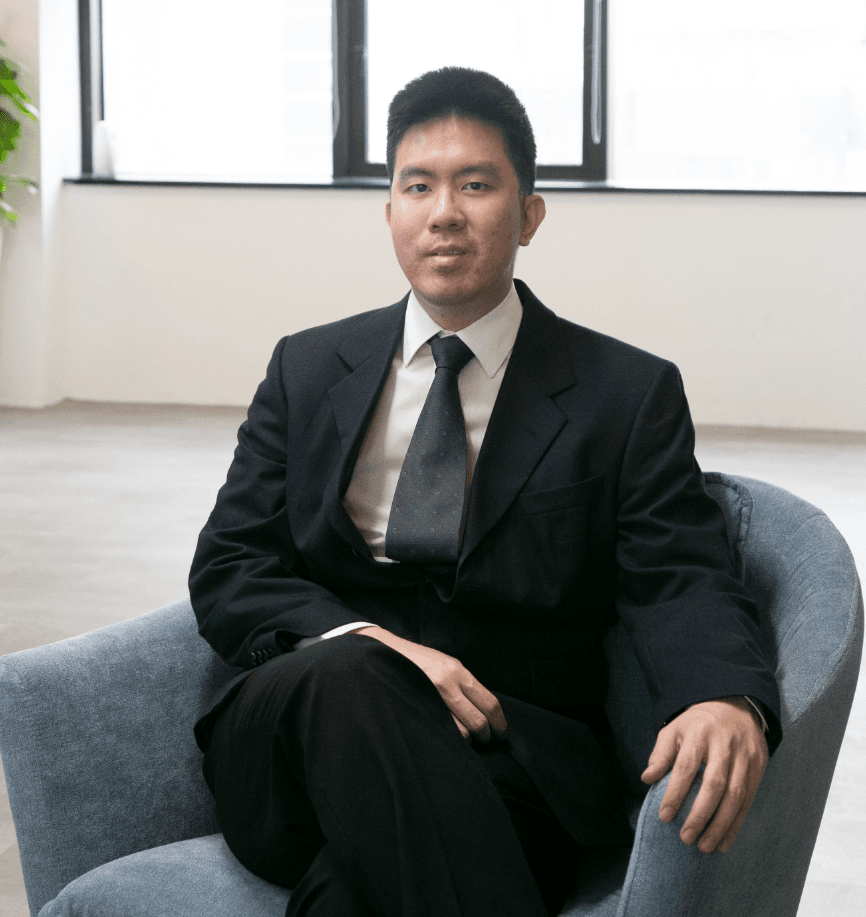
Aaron's Intel position went up about 5x. He took it through long-term options in 2024, and he calls it one of the most fulfilling moments of his career. He is also, right now, in a stretch where everyone else seems to be making money and he is not. Both of these things are true at once, and Aaron treats them as the same job.
Aaron writes Value Investing Substack from Kuala Lumpur, Malaysia. He has been at it for five to six years. The newsletter has 16,000 subscribers, and the stocks he covers have returned an 11% CAGR over that stretch. He will tell you that number is not supposed to sound impressive. It is supposed to compound.
It can sometimes feel like pushing against a wall in an industry which rewards volume over quality, especially for those who don't rely on AI for their writing.
The work itself is unglamorous. Aaron reads financial statements. He listens to earnings calls. He works through company presentations, industry developments, and the macro picture, then organizes the data and builds financial models until the valuation reads cleanly. Then he writes, edits, and publishes. That is the week. The portfolio he runs alongside it sits across about 20 stocks in more than 10 industries, which is the diversification side of the discipline doing its quiet work.
The outside assumption about value investing is that it means rooting in the garbage bin. Stocks with low multiples, stocks trading below balance sheet value, the cheap end of the universe. Aaron would correct that. Value investing means investing where you can find value, and that includes growth names with high multiples if the value is actually there. You can hold a growth stock and still be doing value investing. The label refers to the discipline, not the bin.
The constraint right now is not research, it is signal. The newsletter industry is flooded with AI-generated writing, and readers are having trouble telling quality research apart from output. Aaron does not use AI for his writing, and he feels the cost of that in an industry that rewards volume. He describes it as pushing against a wall.
I am extremely passionate about my work and as Buffett would put it, tap dance to work everyday.
He grew up in a business household and wanted to be an entrepreneur. Over time, he started looking for a less risky way to grow wealth, and the turning point came when he encountered Warren Buffett. Value investing read to him as the intersection of business and markets. You analyze real businesses, you get business exposure, and you still diversify for risk. That was the moment he decided this would be the career.
Before that decision settled, he tried the typical get-rich-quick route and lost a lot of money dabbling in options. He calls it a true learning experience, and it pushed him toward investing in stocks as businesses rather than trading them as tickets. The lesson from that stretch is the same one he is applying now, in a market environment where contrarian and value investors are out of step with the room. Discipline is the asset. Process is the asset. Everyone around you getting rich gambling is not a reason to start gambling.
The decision he would undo is Floor and Decor. He knew the stock was expensive going in, but the narrative of it being a great business pulled him. The stock collapsed by more than 50%, and while the underlying business is still performing, the macro environment is hostile and sentiment is bad. He names this one because it was a discipline failure, not an analysis failure. He saw the price, and he stayed anyway.
The people in his head when he makes a call are Buffett, Benjamin Graham, Howard Marks, Seth Klarman, Peter Lynch. He follows their writing strictly, and he says the strict following is what has worked. Their lines are embedded in every investment decision he takes.
He does not have a what's-next answer. Value investing is timeless by design, and the plan is to keep doing the same thing. The tagline he would put on the whole discipline, if he had to give it one, is Get Rich Slowly. The target stays a reliable 10 to 15 percent from business investments, compounded across the years. He intends to keep tap dancing to work while it does.