NEW YORK, June 3. U.S. stocks fell Wednesday and oil prices climbed as renewed strikes in the Persian Gulf rattled markets and raised fears of a prolonged disruption to global energy supplies. The Dow Jones Industrial Average dropped about 0.4 percent in afternoon trading, while the S&P 500 and the Nasdaq Composite each lost roughly 0.3 percent, according to Yahoo Finance and The Motley Fool. At midday the declines had been steeper, with the S&P 500 down 0.57 percent to 7,566 and the Nasdaq off 0.84 percent. The pullback follows a string of records, including the S&P 500 closing above 7,600 for the first time on June 2. West Texas Intermediate crude rose about 2.5 percent to roughly $96 a barrel at midday, with international Brent crude also higher. The moves reflect growing concern that fighting in the region could choke off a major share of the world's oil flow.
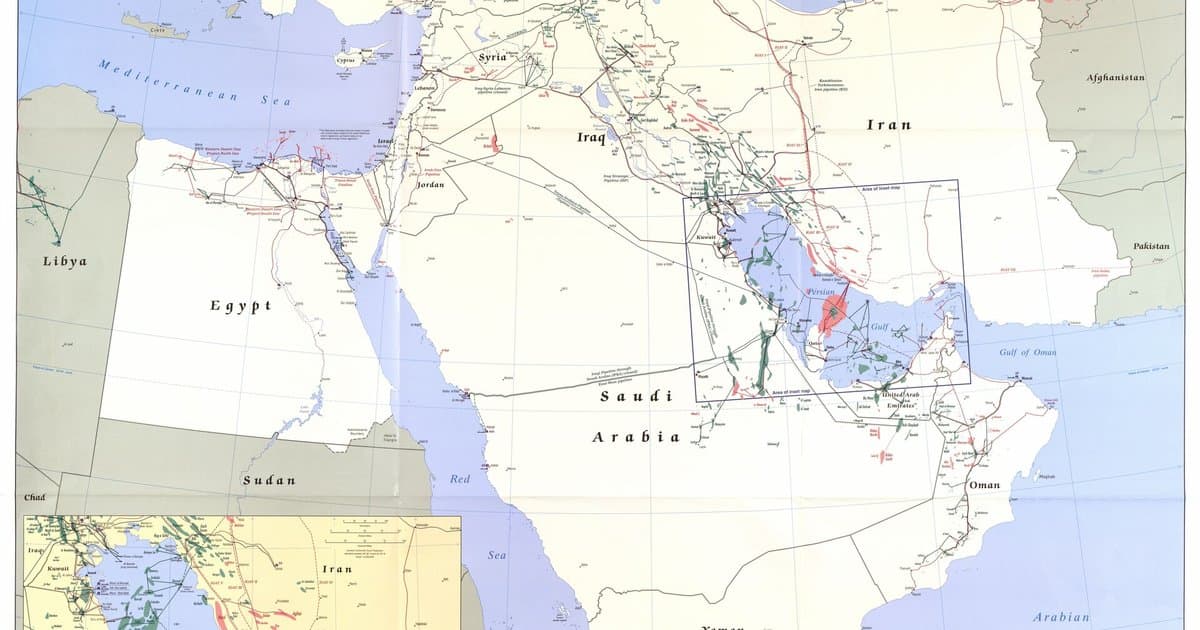
The selling came after Iran launched missiles at targets in Kuwait and Bahrain, damaging infrastructure and killing at least one person, while U.S. forces conducted new strikes on Qeshm Island and on tankers heading toward Iranian ports, per market reports. The exchanges added to fears that the Strait of Hormuz, a narrow waterway through which a large portion of the world's seaborne oil passes, could be effectively closed. The International Energy Agency has warned that a sustained closure of the strait could push global oil inventories toward critical levels. Energy traders responded by bidding up crude prices and rotating out of stocks most exposed to a slowdown. The geopolitical pressure overshadowed otherwise solid corporate earnings and economic data. Investors who had powered the recent rally pulled back as the risk picture darkened.
Technology shares showed a mixed picture even as the broader market declined. Marvell Technology extended an extraordinary rally tied to demand for chips used in artificial intelligence, while other AI linked names including Nvidia and Micron Technology slipped, according to TheStreet. The divergence underscored how much of the market's recent strength has rested on a handful of chip and AI stocks. When those names wobble, the major indexes feel the effect quickly. Energy stocks drew support from the climb in crude prices, offering one of the few bright spots on the day. The rotation highlighted how sensitive the market has become to swings in oil and geopolitical headlines.
For everyday households, the most direct consequence of the conflict shows up at the gas pump and in the cost of goods that depend on fuel to move. Higher crude prices tend to flow into gasoline, diesel, and shipping costs within weeks, squeezing budgets that are already stretched. Families building savings and paying down debt feel the pinch when energy costs rise faster than wages. Small business owners who rely on deliveries or vehicle fleets face higher operating expenses that are difficult to pass along quickly. Retirement and brokerage accounts also move with the market, so the equity decline touches anyone with money invested. The combination of pricier fuel and softer stocks puts pressure on both spending and saving.
What to Watch. Traders will track any further strikes in the Gulf and any signal about the status of the Strait of Hormuz, since a confirmed closure would likely send oil sharply higher. The International Energy Agency and the U.S. Energy Information Administration are expected to update their supply outlooks as the situation develops. Markets will also watch for progress or breakdown in ceasefire talks, which have stalled in recent days. Movement in chip and AI stocks will continue to drive the major indexes given their outsized weight. Gasoline prices in the days ahead will show how quickly the crude spike reaches consumers. Further updates are anticipated as the conflict unfolds.
Sources: Yahoo Finance, The Motley Fool, TheStreet, CNBC