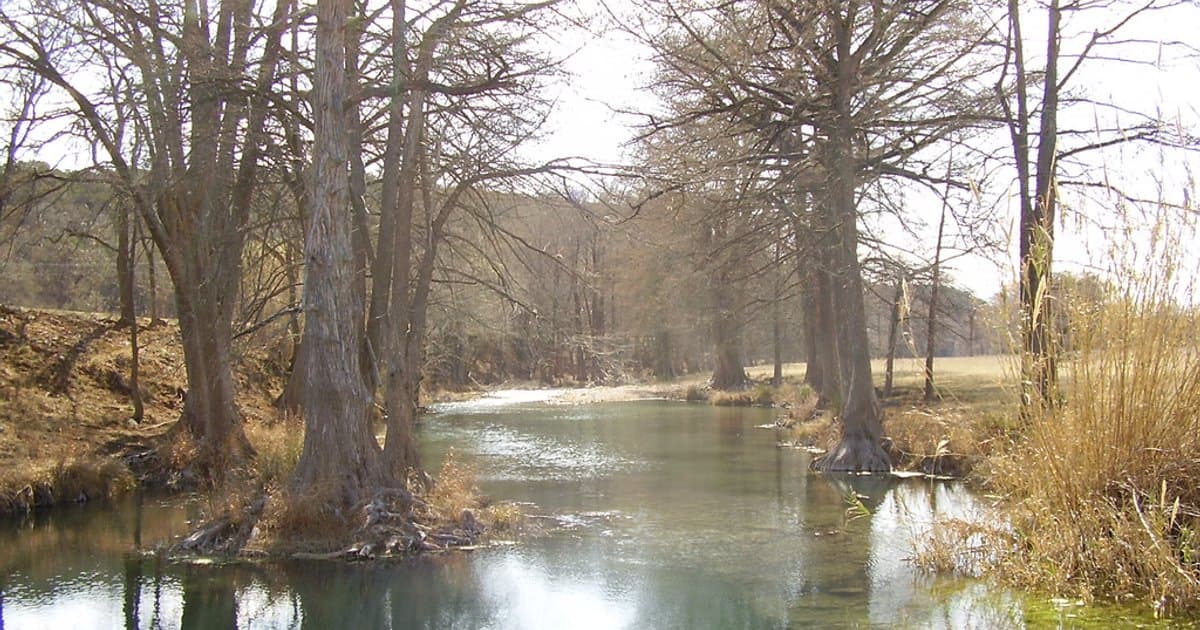
KERRVILLE, Texas, July 18. Flood sirens installed across the Texas Hill Country after the deadly July 2025 disaster sounded in the darkness this week, warning residents to evacuate as floodwaters rose, according to Click2Houston. The confirmed death toll from the current flooding stands at two people. A 65-year-old man identified as Mark Steward died near Comfort after being swept away in a recreational vehicle, and a woman was killed when the car she was driving was swept away near Uvalde, per FOX 4 Dallas-Fort Worth. More than 230 rescues have been carried out since the emergency began. The Guadalupe River rose 32 feet in four hours and was forecast to crest at levels similar to the July 4, 2025, flood that killed more than 100 people. Close to 30 inches of rain fell across parts of south central Texas over three days.
Conditions began improving Saturday. Rain has slowed and floodwaters are receding, with the Guadalupe River running roughly 12 to 15 feet lower than its Thursday level, according to the Texas Tribune. Water rescues and evacuations continued in western Texas even as Hill Country levels dropped, per CNN. Governor Greg Abbott issued a disaster declaration covering 28 Texas counties earlier in the week. Emergency response teams have shifted from rescue toward damage assessment across the affected corridor. State officials have not published a full count of damaged or destroyed structures. Recovery is expected to extend for months across communities that were still rebuilding from last year.
The warning systems represent the central policy change since the 2025 disaster. That flood killed campers and staff at Camp Mystic along the Guadalupe and drew sustained criticism over the absence of outdoor warning sirens in a river corridor known for flash flooding. Kerr County had debated and declined siren installation for years on cost grounds before the disaster forced the question. The sirens that sounded this week were installed in response to that failure and functioned during overnight hours when residents were asleep and least likely to receive phone alerts. Emergency managers have long held that redundant warning methods matter most between midnight and dawn. Officials have not yet released a formal assessment of how many residents evacuated because of the sirens.
The difference in outcomes between the two events is stark by the numbers, though the storms themselves were not identical. The 2025 flood struck on a holiday weekend when the river corridor held peak occupancy at camps and campgrounds. This week's flooding hit mid-week outside the July 4 window. Rainfall totals and river rise this week were nonetheless comparable to last year's event in several measurements. Two confirmed deaths against more than 230 rescues suggests the response reached people in time in most cases. Investigators and state emergency officials will need weeks to determine how much of the difference reflects warning improvements versus timing and occupancy.
The Hill Country economy depends heavily on summer river tourism, camps, outfitters and lodging that operate on a compressed seasonal calendar. A second consecutive July disruption falls on small operators who lost most of the 2025 season and carried debt into this year. Insurance coverage for flood damage requires a separate National Flood Insurance Program policy that standard commercial and homeowner policies do not include, and take-up rates across inland Texas counties have historically run low. Businesses outside mapped flood zones are frequently uninsured for exactly this type of event. Federal individual assistance requires a presidential disaster declaration, which follows a state request and damage assessment process that typically takes weeks. Seasonal workers who lose July hours have no mechanism to recover them.
What to Watch. State emergency management is conducting damage assessments across the 28 counties named in the governor's declaration, which will determine whether Texas requests a federal disaster declaration. River levels along the Guadalupe and connecting waterways remain under monitoring as runoff continues to move downstream. A formal review of siren performance is expected from county and state emergency officials, and its findings will shape whether other Texas counties fund similar systems. Camps and lodging operators along the affected corridor have not announced reopening timelines.
Sources: Click2Houston, FOX 4 Dallas-Fort Worth, Texas Tribune, CNN, ABC13 Houston, Texas Public Radio