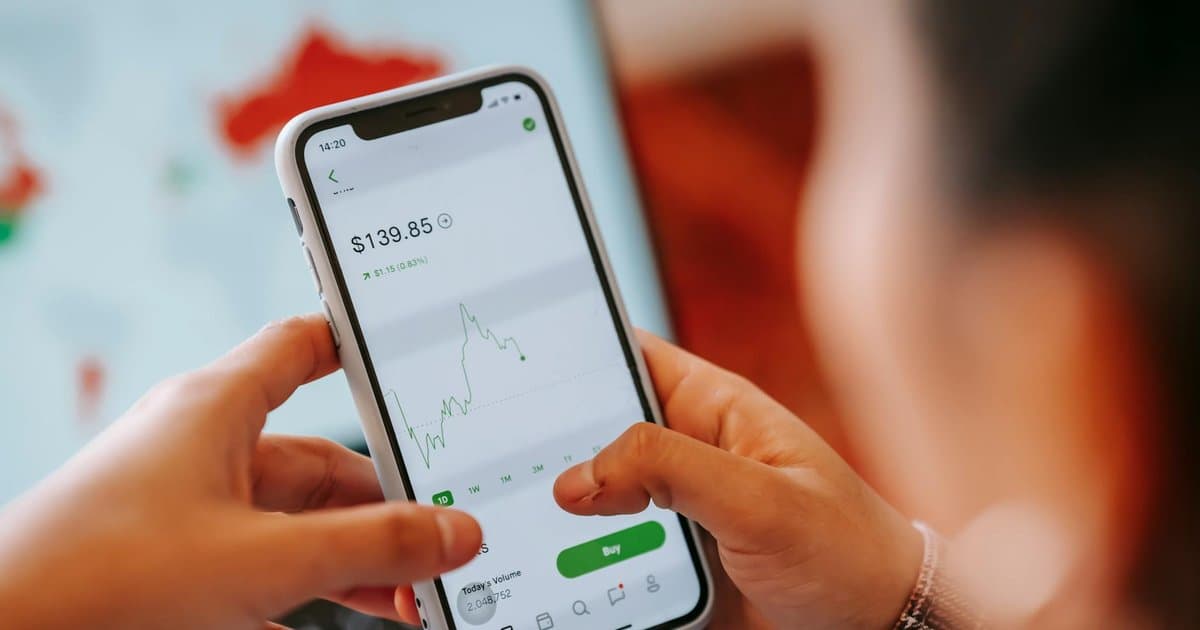
The pitch behind every budgeting app is the same. Connect your accounts, watch your spending sort itself into neat categories, and finally take control of your money. Millions of people download one, feel organized for a few weeks, and quietly drift away while their savings stay flat. The app was supposed to fix things, so they assume the failure is theirs. In a lot of cases, the app itself is part of the problem, because it confuses watching money with managing it. Seeing where your dollars went is not the same as deciding where they will go, and most apps are far better at the first job than the second.
Start with how these tools actually work. They pull in transactions after they happen and drop them into categories, which means they are mostly a rearview mirror. You open the app and see that you spent too much on takeout last month, feel a little guilty, and close it. Nothing about that loop changes next month, because the information arrived too late to stop the spending. A rearview mirror is useful for understanding the road behind you, but it will not steer the car. Real budgeting happens before the money moves, when you decide what each dollar is for, and that is the part the app quietly skips.
There is also a comfort trap built into the experience. Categorizing your spending feels productive, almost like progress, even when your behavior has not shifted at all. You can spend twenty minutes tidying categories and reviewing charts and walk away convinced you did something about your finances. That feeling of activity is exactly what keeps people stuck, because it satisfies the urge to act without requiring any actual change. The app rewards engagement, which keeps you opening it, but engagement and saving are not the same outcome. You end up with a beautifully organized record of why you did not save, refreshed daily.
Then there is the friction the apps are designed to remove, which turns out to matter more than anyone admits. When spending is frictionless and tracking is automatic, money moves without you ever feeling it leave. The whole point of a good budget is to slow you down at the moment of decision, to make you pause before the dollars go. An app that silently logs everything after the fact removes that pause entirely. You never feel the trade-off in real time, so the spending continues and the report just gets more detailed. Convenience is great for a lot of things, but for spending discipline, a little friction is the feature, not the flaw.
What works better is simpler and a bit more hands-on. Before the month starts, give every dollar a job, which means writing down what your income will cover, from rent to savings to fun, until it is all assigned. Move your savings first, on payday, into a separate account, so it is gone before you can spend it without thinking. Then track only the few categories that actually trip you up, the ones where you tend to overspend, and ignore the rest. This is less work than babysitting an app, and it puts the decision where it belongs, in front of the spending rather than behind it. The act of writing it down by hand makes the plan stick in a way a chart never does.
It also helps to look honestly at why the saving was not happening in the first place. For most people the issue is not a lack of information about where the money went, it is the absence of a decision made in advance. You already know roughly what you spend on food, gas, and the rest, so another chart of it rarely changes anything. What changes things is naming a savings number, moving it before you can touch it, and living on what remains. That single shift does more than any feature an app can offer, because it puts the win at the start of the month instead of hoping for leftovers at the end. Hope is not a plan, and a plan is exactly what was missing.
None of this means technology has no place in handling money. A simple spreadsheet, an account that auto-transfers savings, or even a plain note on your phone can carry the whole system. The tool is not the issue, the order of operations is. Decide first, automate the saving, then spend what is left and check in only where you tend to slip. If an app helps you do that, keep it, but be honest about whether it is changing your behavior or just narrating it. Plenty of people who never save with a polished app start saving the month they switch to a piece of paper and a clear plan. The goal was never a tidy dashboard, it was money left over, and those are not the same thing.