A budgeting app feels like the responsible first move, and that is exactly why it can fool you. You download it, link your accounts, watch the colorful charts fill in, and feel like you are finally getting your money together. The problem is that watching your money and managing your money are not the same activity. Plenty of people spend months inside a beautiful dashboard while their actual habits never change at all. The app turns a hard discipline into a pleasant ritual, and the pleasant ritual quietly becomes a substitute for the discipline. That is the trap, and it catches careful people more than careless ones.
The first issue is that automatic categorization removes the part of budgeting that actually teaches you. When an app sorts every transaction for you, you never sit with the discomfort of writing down what you spent and why. That small friction is where the learning lives, because feeling the cost is what changes behavior. A clean pie chart smooths that friction away and leaves you informed but unchanged. You can recite that you spent four hundred dollars on takeout without ever having felt a single one of those orders. Knowing a number and reckoning with it are very different experiences, and only one of them moves you.
The second issue is that these apps reward checking instead of deciding. Opening the app and seeing your balances gives a little hit of control, even when you have not made a single real choice. It is the financial version of stepping on a scale every day while eating exactly the same way. The number tells you where you are, but the staring does nothing to move it. People confuse the act of monitoring with the act of managing, and the app encourages that confusion because engagement is what keeps you opening it. Real progress comes from decisions made in advance, not from glances taken after the money is already gone.
The third issue is that a budget you watch is reactive by design. Most apps show you what already happened, which means you are always looking in the rear view mirror. A budget that works tells your money where to go before the month starts, so the spending is decided rather than tracked. Those are opposite postures, and the app's default pushes you toward the weaker one. You end up explaining your spending to yourself after the fact instead of directing it ahead of time. By the time the chart turns red, the choices that mattered were made days ago.
There is also a quieter cost, which is the false sense of safety the app provides. Because the tool looks sophisticated, you assume the sophistication is yours, when really it belongs to the software. You feel covered, so you stop building the simple habits that would actually protect you, like keeping a cash cushion or planning for irregular bills. The dashboard becomes a security blanket that lets you avoid the plain work of telling your money what to do. When a real shock arrives, a car repair or a slow month, the charts offer no plan, only a record of what you can no longer afford. Awareness without a plan is just a nicer way to watch trouble arrive.
None of this means budgeting apps are useless, because they are genuinely helpful once the thinking is already in place. The order is what matters. Decide on a plan first, on paper or in your head, where every dollar of income has an assigned job before the month begins. Then let an app track whether you stuck to that plan, which is a job software does well. Used that way, the app is a scoreboard, not a coach. The trouble only starts when people expect the scoreboard to play the game for them.
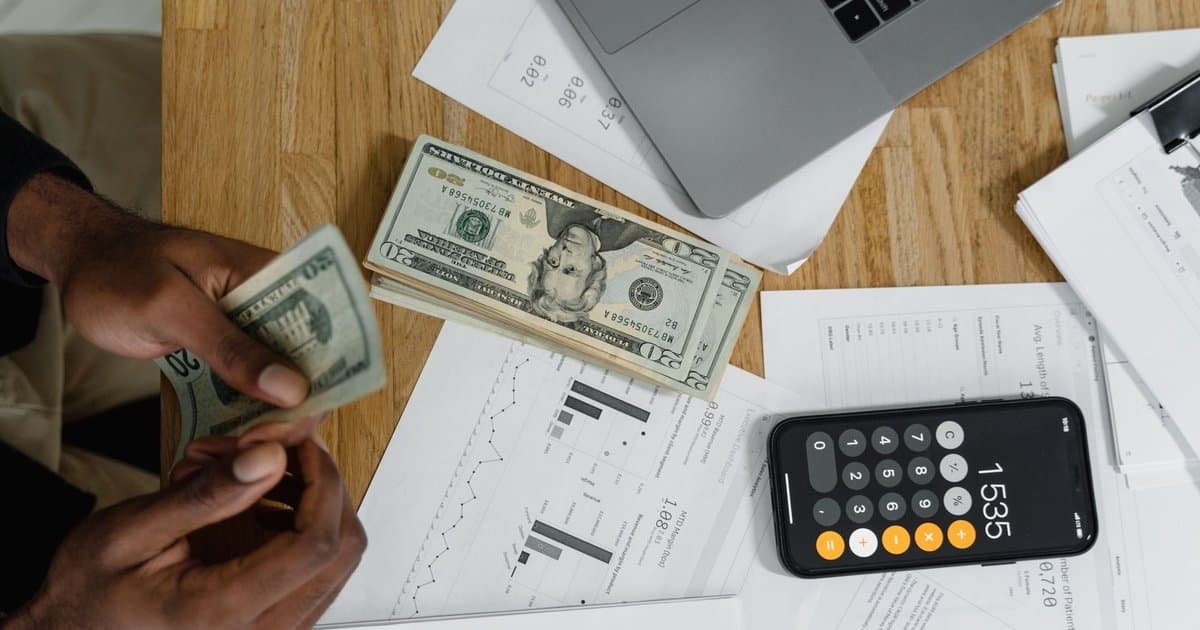
So if you have been faithfully checking an app for months and your balances still are not moving, the app is not the cure, it is the comfort. Try the unglamorous version for one month instead. Write your income at the top of a page, list every dollar's destination before you spend it, and add up your truly fixed costs by hand. It will feel slower and far less satisfying than a tidy chart. That friction is the point, because the discomfort is exactly what teaches you to handle money, and no app can feel it on your behalf.