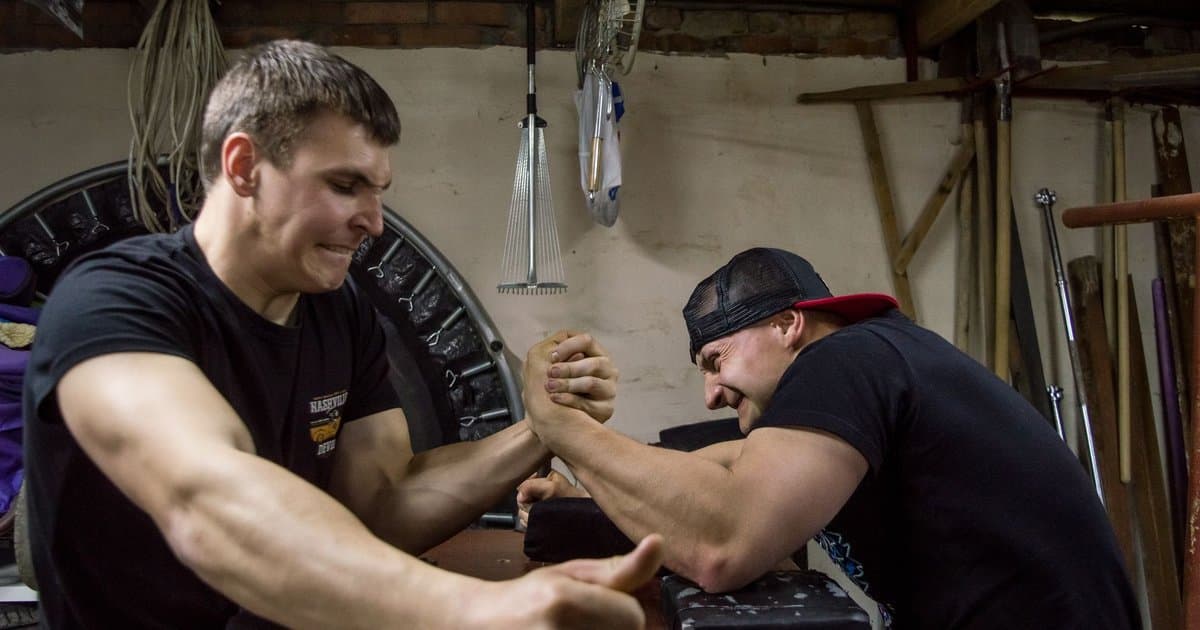
Grip strength sounds like something only an arm wrestler would care about. It turns out to be one of the most telling numbers in your whole body. Researchers who tracked nearly 140,000 adults across 17 countries found that how hard a person could squeeze a handgrip device predicted their risk of dying earlier, and it did so more reliably than blood pressure did. Every drop of about 11 pounds in grip strength lined up with a 16 percent higher risk of death from any cause over the study window. That is a striking link for a test that takes a few seconds and costs almost nothing. The number on that little device is quietly telling a much larger story.
Here is why a hand test reaches so far. Your grip is not really about your hands. It reflects the total muscle you carry and how well your nervous system fires that muscle on demand. Muscle is the organ that burns sugar, stores reserves for hard seasons, and keeps you upright and stable as you age. When grip fades, it usually signals that muscle is fading everywhere, not just in the forearms. So a weak squeeze is often the first visible crack in a wall that is thinning out of sight. The hand is just the part you can measure without a lab.
The connection holds across more than longevity. Lower grip strength tracks with higher rates of heart disease, slower recovery after surgery, more falls in older adults, and even faster decline in memory and thinking. None of this means a strong grip makes you immune to those things. It means grip is a window into the systems that protect you from them. A body that can produce force is usually a body that moves often, eats enough protein, and sleeps well enough to repair itself. Those habits are the real engine. Grip is the dashboard light that shows the engine is running.
You can get a rough read without any equipment. Notice whether you can open a tight jar without bracing it against the counter and straining. Pay attention to how long you can carry heavy grocery bags before your hands give out, not your legs. If you have access to a gym, a dead hang from a pull-up bar is a fair informal test. Most healthy adults under fifty should be able to hang for thirty seconds or more, and many can pass a full minute. If your hands quit at ten or fifteen seconds and you are otherwise healthy, that gap is worth your attention rather than your worry.
The good news is that grip responds fast to training, often faster than people think. Carrying heavy things is the simplest fix and the most useful in daily life. Pick up two heavy dumbbells, kettlebells, or even loaded grocery bags and walk with them for thirty to forty seconds, then rest and repeat a few times. Dead hangs build grip and shoulder health at the same time, and you can start with short holds and add seconds each week. Pulling movements like rows and any version of a pull-up force your hands to work under load. Even a cheap grip trainer used while you watch television will build the muscles that close your hand. Farmer carries deserve special mention because they train your grip, your core, and your posture in one move that mirrors real life. Two or three short sessions a week is enough to move the number, and most people feel a difference within a month. The key is to train grip the way you train anything else, with steady load and a little more over time.
What makes grip worth tracking is how honest it is. Bathroom scales can stay flat while muscle quietly turns to fat underneath. Grip does not hide that kind of change as easily, because force is hard to fake. When your grip is climbing, it usually means the work you are doing is reaching the tissue that keeps you independent later in life. When it is sliding for no clear reason, that is a prompt to look at your protein, your sleep, and how much you are actually moving each day. Few measurements give you that much feedback for so little effort. It is one of the rare cheap tools that tells the truth.
None of this is a reason to panic over a single weak day, since stress, poor sleep, and a hard week can all drag a reading down. The point is the trend over months, not one snapshot. Treat grip like a quiet check engine light that rewards steady attention. Keep lifting heavy things, keep moving, keep feeding your muscle, and the number tends to take care of itself. The handshake you barely think about may be one of the most honest health reports you will ever get. It is worth learning to read it.