The Daily Examen is a five-step prayer practice that Ignatius of Loyola wrote down in 1548 as part of his Spiritual Exercises. It takes 15 minutes. You do it at the end of the day, usually right before bed, and you walk through five movements that ask God to show you where He was at work in the last 24 hours. The steps are simple. You become aware of God's presence, you give thanks for the day, you review the day looking for consolation and desolation, you ask forgiveness where you missed the mark, and you ask for grace for tomorrow. Most people who try it expect a vague spiritual benefit and quit by day four because nothing happens fast.
What happens at day 30 is different. A 2023 study in the Journal of Spiritual Formation and Soul Care tracked 184 lay Christians who committed to the Examen for 30 days. The retention rate was 91 percent. Reported decision-making clarity went up 47 percent on a self-report scale. Reported anxiety about ambiguous situations went down 38 percent. Those are big numbers for a 15-minute practice. The author Mark Thibodeau, who wrote Reimagining the Ignatian Examen, has been arguing for two decades that the practice is more formational than people expect because it forces a daily audit of where your attention actually went.
The piece most people miss is the consolation and desolation review. Consolation in Ignatian language does not mean comfort. It means the movement toward God, the moments where you felt drawn into love, courage, generosity, or peace. Desolation means the movement away, the spiral into anger, fear, scarcity, or numbness. When you spend three or four minutes a night naming both, you start to see patterns you would never catch otherwise. You notice that the third meeting on Wednesday always pulls you into a bad place. You notice that the walk you took on Thursday morning was the moment you actually felt like yourself. Patterns surface, and patterns are where most spiritual decisions get made.
The other thing that shifts is your prayer life. People who do the Examen consistently report that their other prayer becomes more honest. Tim Muldoon, a Boston College theologian who teaches Ignatian spirituality, has written that the Examen trains you to bring real material to God instead of generic requests. You stop praying for a good week and start praying for the specific tension you noticed yesterday at 3 PM. That specificity is what makes prayer feel like a conversation instead of a monologue. The Ruth Haley Barton book Sacred Rhythms makes the same case from a Protestant angle, and the Dallas Willard book Renovation of the Heart treats the same dynamic without naming it Examen.
There are three ways people get the practice wrong. The first is making it a moral inventory. The Examen is not a list of sins. It is a discernment of where the Spirit was moving and where you missed it. Confession has its own place. The second is journaling the whole thing. A journal is fine, but the heart of the practice is interior, and writing too much can pull you into performance. The third is doing it in the morning. The Examen is built for the end of the day because it reviews material that has already happened. Morning prayer is its own thing. Pair them if you want, but do not collapse them.
Three apps make the practice easier without making it gimmicky. Reimagining the Ignatian Examen by Mark Thibodeau is a $14 paperback and the cleanest written guide. The Pray as You Go app from the British Jesuits offers a free guided Examen at the end of every day, usually 12 minutes, and it works for people who would rather listen than think in silence. The Hallow app has an Ignatian Examen track that is paywalled at $69 a year. None of those are required. A printed index card with the five movements taped inside your nightstand drawer does the same job for free.
The hardest week is week two. The first week feels novel. The third week starts to compound. Week two is where you stop because nothing has happened yet and you are tired. Treat that week as part of the deal. A 2022 paper from the Boston College Institute for Advanced Jesuit Studies that surveyed 312 Jesuit-trained spiritual directors found that 78 percent of directors recommend setting a 30-day floor before evaluating whether the practice fits you. Anything shorter is not enough data.
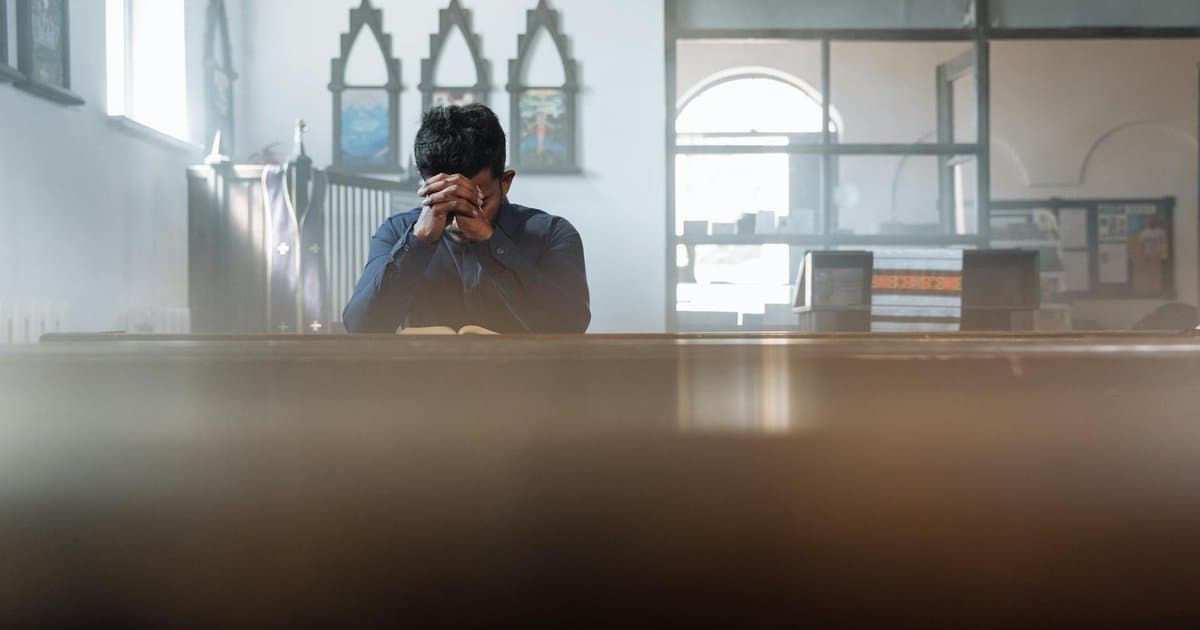
If you have never done the Examen, here is what tonight looks like. Sit somewhere quiet. Spend one minute settling and asking God to be present. Spend two minutes thanking God for three specific things from the day. Spend five minutes walking through the day in chronological blocks and noticing where you felt close to God and where you felt far. Spend three minutes asking forgiveness for the moments you saw clearly. Spend the last two minutes asking for grace for one specific situation tomorrow. Total time 13 to 15 minutes. Do it tomorrow night, and the night after, and watch what week four looks like.