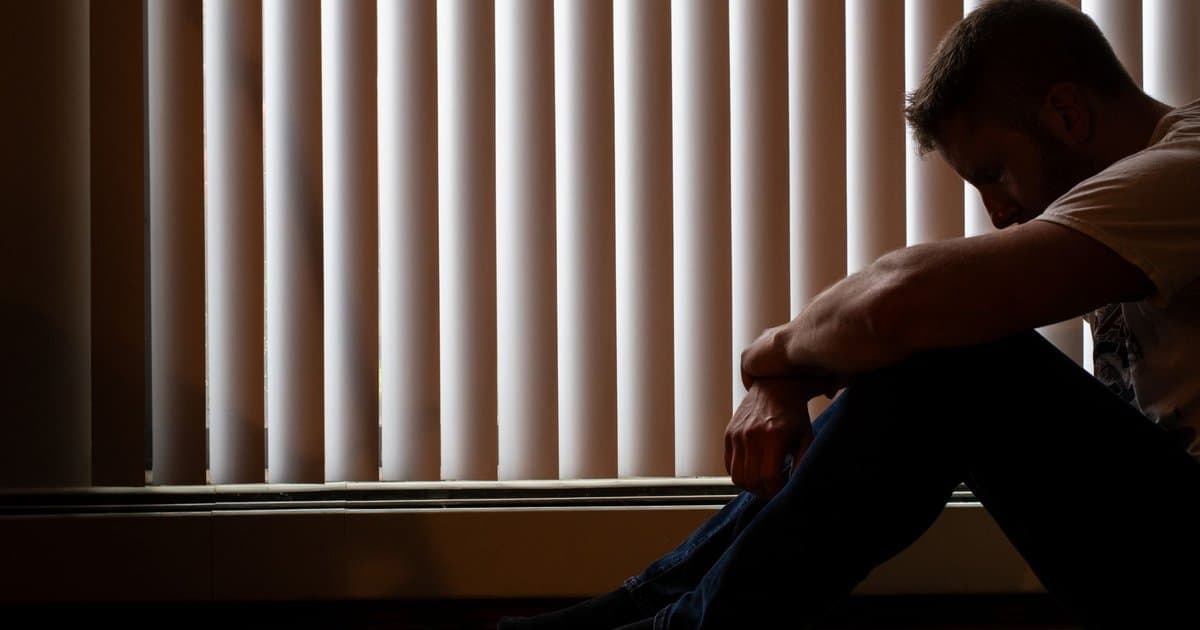
Something sets you off. Your face goes hot, your chest tightens, and a wave of anger or fear or embarrassment rolls through you. It feels like it could last forever. According to a widely cited idea from neuroscience, the physical part of that wave is actually very short. The chemical surge behind a strong emotion runs its course in about ninety seconds. After that, the body has already begun to clear it out. The feeling is loud, but it is brief. The clock is shorter than it seems.
The idea was made popular by a brain scientist named Jill Bolte Taylor, who studied the brain from the inside after surviving a stroke. Her point was simple and worth understanding. When something triggers an emotion, your brain releases a flood of chemicals into the bloodstream. Those chemicals produce the racing heart, the heat in the face, and the tension in the gut that you feel. Left alone, that surge clears out of your system in roughly a minute and a half. The raw physical reaction has a built in expiration date. The body was never meant to hold it forever.
So why does anger sometimes last an hour, or a whole day. The answer is that the first ninety seconds is automatic, but everything after it is not. Once the chemical wave passes, we keep the feeling alive with our own thoughts. We replay the insult, rehearse the argument we wish we had won, and tell ourselves the story again and again. Each retelling triggers a fresh release of the same chemicals, which restarts the ninety second clock. In other words, the first reaction happens to us, but the loop that follows is something we feed.
This distinction changes how you can handle a hard moment. If the physical storm really does pass in about ninety seconds, then the most useful thing you can do is give it those ninety seconds. You do not have to act on the feeling while it is at full strength. You do not have to send the message, say the thing, or make the decision in the heat of it. You can let the wave crest and fall first. That short delay is often the difference between a response you respect later and one you regret. Ninety seconds is not a long time to wait. It is long enough to change the outcome.
There is a simple practice that follows from this. When a strong emotion hits, notice it in your body instead of arguing with it. Name what is happening, quietly, in plain terms. Tell yourself that your heart is racing and your face is hot, and that this is the chemical part doing its work. Then breathe slowly and let the clock run. You are not stuffing the feeling down or pretending it is not there, you are simply waiting for the physical surge to do what it is built to do, which is fade.
It helps to be honest about the limits here. The ninety second figure is a useful rule of thumb, not a precise measurement that fits every person and every situation. Grief, ongoing stress, and real fear can run much longer, and some feelings deserve to be sat with rather than timed. The point is not to rush yourself through genuine pain. The point is to notice how often we stretch a small, passing reaction by feeding it thought after thought. Much of what we call a bad mood is really a story we keep choosing to tell. The trigger came and went quickly. The retelling is what lingers.
You can test this the next time something minor sets you off. Someone cuts you off in traffic, or a message lands the wrong way, and the surge rises. Instead of gripping the wheel and building the case against them, watch what your body does over the next couple of minutes. Very often the heat drains on its own if you stop pouring fuel on it. The situation did not change, but your relationship to it did. That is the whole skill, and it gets easier with practice. Each time you wait, the next wait is simpler. The pause becomes a habit.
None of this makes you a robot, and it is not supposed to. Feelings carry real information, and you want to hear what they are telling you. What the ninety second idea offers is a little space between the feeling and the reaction. In that space you get to choose what happens next instead of being dragged along by a chemical wave that was going to pass anyway. Most of us were never taught that the storm has a clock. Once you know that it does, you stop treating every surge as an emergency. You start to trust that it will pass. And it almost always does.