You have probably heard the rule, maybe from a relative, a magazine, or a coworker who swears by it. Do not eat after eight o'clock, or after seven, or after dark, because calories eaten at night turn into fat while you sleep. It is one of the most repeated pieces of diet advice there is, and it sounds reasonable enough that most people never question it. The idea is tidy, easy to follow, and gives you a clear villain, which is the late dinner or the bedtime snack. The trouble is that the rule treats the clock as the cause, and the clock is not really the cause. What matters far more is what you eat across the whole day and how much, not the hour the food crossed your lips.
Start with the basic claim, that calories eaten at night count differently. Your body does not have a timer that flips a switch at a certain hour and starts storing everything as fat. Over a full day and week, weight change comes down to the balance between the energy you take in and the energy you spend, and a calorie at nine at night is not metabolically punished compared to the same calorie at noon. Studies that control total intake have struggled to show that simply shifting the timing of food, without changing the amount, causes meaningful fat gain on its own. So the mechanism people imagine, food converting to fat because the sun went down, does not hold up the way the rule assumes. The hour is not doing the damage the story blames it for.
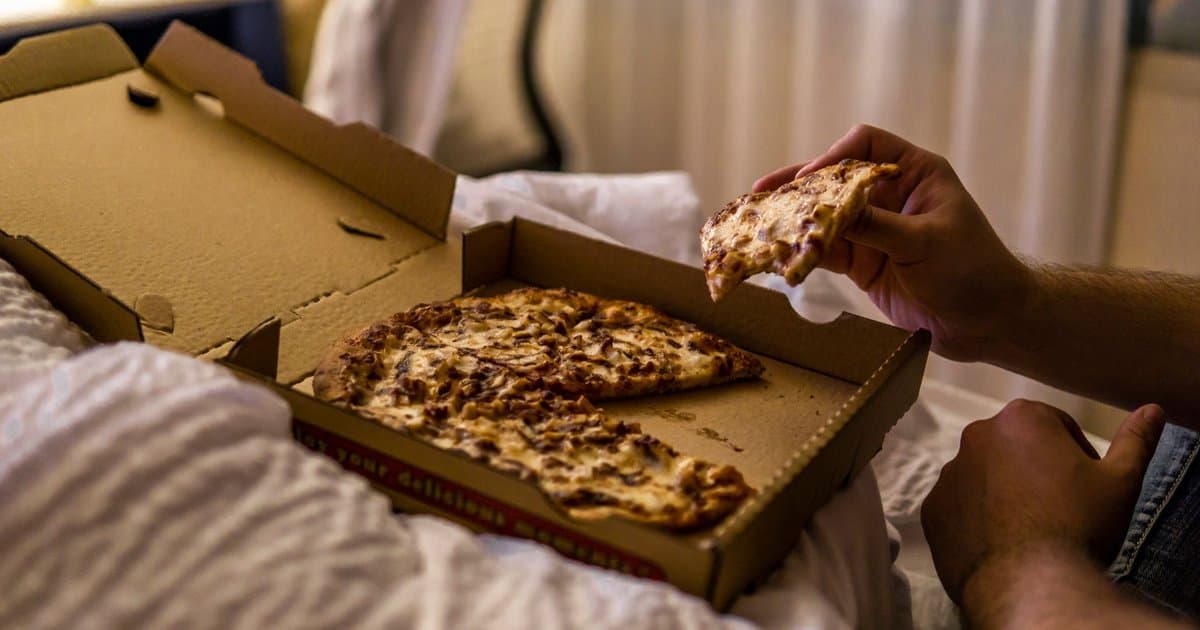
If timing is not the real driver, then why do so many people genuinely gain weight from late night eating? The answer is in the kind of eating that tends to happen at night, not the time on the clock. Late evening is when willpower is lowest, when stress and boredom are highest, and when the food within reach is usually chips, ice cream, cereal, or leftovers eaten straight from the container. People rarely binge on plain vegetables at eleven at night. They reach for calorie dense, easy, comforting food, and they eat it while distracted by a screen, which makes it almost impossible to notice how much went down. So the calories pile up, but the cause is the type of food and the mindless context, not the position of the hands on a clock.
There is also the matter of why you are eating at night in the first place, because that often reveals the real issue. Many people undereat during the day, skipping breakfast or rushing through lunch, and then arrive at the evening genuinely ravenous and primed to overeat. Others are not hungry at all and are eating to cope with stress, loneliness, or exhaustion after a hard day. In both cases the late night eating is a symptom, and banning food after a certain hour treats the symptom while ignoring the cause. If you fix the daytime pattern by eating enough real food earlier, the nighttime urge usually shrinks on its own. If the eating is emotional, a clock rule does nothing for the feeling underneath it.
So put the clock down and look at the things that actually move the needle. Aim to eat enough during the day so you do not arrive at night starving and out of control, and build meals around protein and fiber that genuinely fill you up. Notice whether your evening eating is hunger or habit or feeling, and meet the real need instead of just chewing through it. If you want a snack at night, have one, but choose it on purpose and eat it without a screen so you can tell when you are satisfied. There is nothing wrong with a reasonable evening meal or a small late bite, and the rigid hour based rules often backfire by making people feel guilty over the wrong thing. The clock was never the problem. What and why and how much always mattered more, and those are the things worth your attention.