There is a particular kind of defeat that comes from cleaning your entire home, feeling proud of it, and then watching it slide back into chaos within a few days. Most people respond by blaming themselves for being lazy or undisciplined, and they vow to clean more often. That vow rarely works, and it usually leads to frustration and a sense that you are simply bad at keeping a tidy space. The truth is more freeing than that. The speed at which your home gets messy again has very little to do with how often you clean. It has almost everything to do with how much stuff is flowing into your home in the first place.
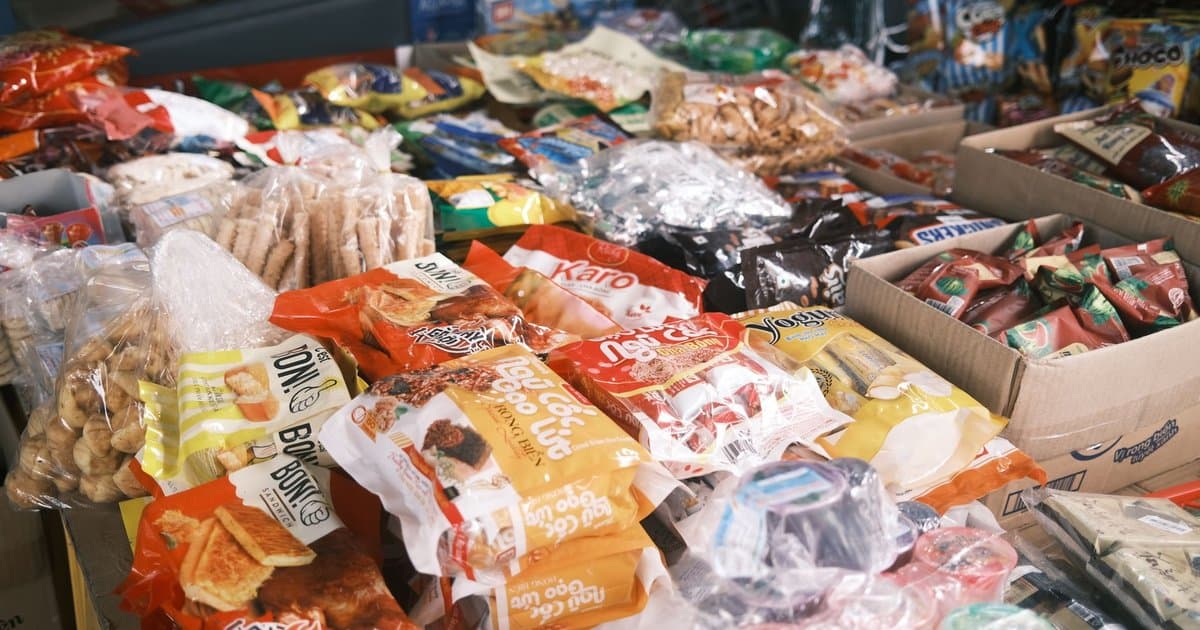
Think of your home like a sink with the tap running. Cleaning is the act of draining the sink. But if the tap is wide open, with new things constantly pouring in, you can drain it all you want and it will fill right back up. Every package, impulse buy, free promotional item, kept container, and just in case purchase is more water from the tap. When people complain that their space never stays clean, they are almost always describing a tap problem and trying to solve it with more draining. No amount of scrubbing can outrun a steady inflow of objects that have no home to go to.
This is why the families with the tidiest spaces are rarely the ones who clean the most. They are usually the ones who own less and bring in less. When there are fewer items in a room, there are fewer things to be out of place, and putting things away takes seconds instead of an exhausting hour. A space with less stuff almost maintains itself, because every object already has a clear spot and there is open room to absorb the normal mess of daily life. The tidiness is not coming from heroic effort. It is coming from a lower volume of things.
The other half of the problem is the homeless object. When something you own does not have a designated place to live, it does not actually get put away. It gets set down. It lands on the counter, the chair, the dining table, the floor by the door, and those flat surfaces become magnets for everything else without a home. One homeless object attracts another, and within days you have a pile. The pile is not a sign of laziness. It is a sign that those items were never assigned anywhere to begin with, so the only thing you could do was leave them in the open.
Once you see it this way, the fix changes completely. Instead of resolving to clean more, you work on the tap and on the homes. Slowing the tap means pausing before you buy, unsubscribing from the urge to acquire, and being honest that most new things become future clutter. Giving everything a home means deciding, for each category of object, exactly where it lives, so that putting it away is a thoughtless reflex rather than a decision. When every item has a place and fewer items are arriving, tidiness stops being a weekly battle and becomes the natural resting state of the room.
There is a useful test you can run on any messy spot in your house. Look at what is piled there and ask a simple question about each thing. Does this have a real home somewhere, or is the pile its home. If the honest answer is that it has nowhere else to go, you have found the actual problem, and cleaning will never fix it because the object will just migrate back to that surface. Either it needs a home, or it needs to leave the house entirely. Those are the only two real solutions, and shuffling it around is neither.
None of this requires becoming a minimalist or stripping your home down to bare walls. It simply requires shifting your effort from the wrong end of the problem to the right one. Cleaning treats the symptom, which is mess that has already appeared. Managing inflow and assigning homes treats the cause, which is too many things with nowhere to be. When you spend your energy there, you finally stop feeling like you are failing at something you are actually doing constantly. The mess was never about your willingness to clean. It was about the tap and the homes, and both of those are things you can quietly fix.