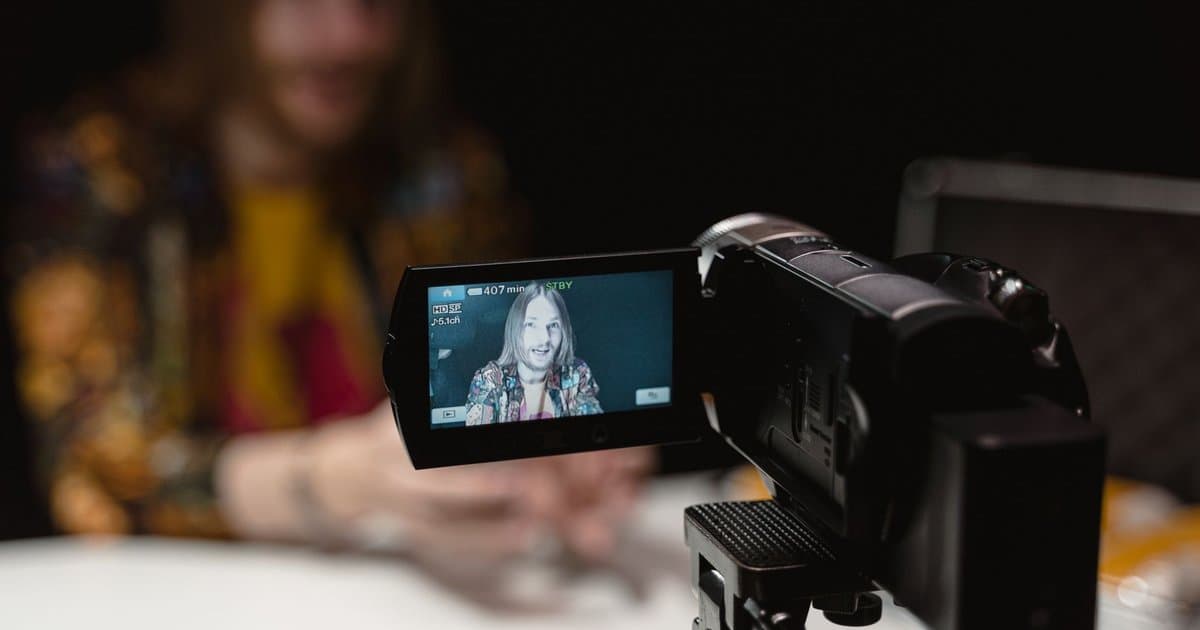
If you have ever sat down to film, you know the feeling. The first take is the one that fights you. You fumble your words, you check the framing four times, you delete and restart, and twenty minutes vanish before you say anything usable. Then something shifts. The second take comes easier, the third feels natural, and by the fifth you forget the camera is even there. The first video is almost always the hardest, and understanding why turns that wall into a step you can plan around.
Part of it is cold starting. Speaking to a lens is a performance skill, and like any skill it has a warm up. Your brain has not yet found the rhythm of talking to no one while sounding like you are talking to someone. The first attempt is where your voice, your pacing, and your energy are still calibrating. By the time you are a few takes in, your body has settled into the format and the words flow. This is the same reason musicians run scales before a show and athletes warm up before a game. You are not bad at this, you are just cold.
There is also a quieter force at work, and that is the weight of the blank page. The first video carries all the pressure of starting from nothing. You have not proven to yourself yet that today will go well, so every small mistake feels like evidence that it will not. That pressure makes you stiff, and stiffness makes the mistakes worse, which feeds the pressure. It is a loop, and the only way out of it is through. Once you have one finished take in the bank, the fear loses its grip because you have shown yourself it is possible.
Knowing all this, the fix is not to push harder on the first take. It is to lower the stakes of it on purpose. Treat your first recording as a throwaway warm up that you never plan to use. Say the intro out loud, badly, to nobody. Run through your points once with no pressure to keep it. When the camera roll is just a rehearsal, the stiffness drains away because nothing is riding on it. Often the warm up take ends up better than you expected, but the point is to take the weight off the first real attempt.
Batching is the other move that changes everything. The hardest first video only happens once per session, so the more you film in a single sitting, the more that cost spreads across your work. Set up your space, get warm, and then record five or ten pieces while you are already in the rhythm. The first one pays the cold start tax, and the rest ride the momentum. People who film one video at a time pay that tax every single session, which is why filming feels exhausting to them. People who batch pay it once a week and produce far more for the same friction.
Your setup matters here more than most people admit. A lot of the first take struggle comes from fiddling, adjusting the light, refocusing, moving the tripod, checking the audio. Every one of those interruptions resets your warm up and drags you back to cold. The fix is to build a repeatable setup you can trust, so once you press record you do not touch anything but yourself. Mark your spot on the floor. Lock your settings before you start. Keep your space ready so getting going takes two minutes, not twenty. The less you fight the gear, the faster you find your flow.
It also helps to start with the easiest thing on your list, not the hardest. When the first video is also your most complicated topic, you stack two kinds of difficulty on top of each other. Lead with something simple you could explain in your sleep. Let that be your warm up that happens to be usable. Save the dense, demanding piece for the middle of your session when you are loose and confident. Order matters. You would not open a workout with your heaviest lift, and you should not open a filming session with your hardest video.
The bigger lesson is to stop reading the first take struggle as a sign you are not cut out for this. Everyone who films regularly hits the same wall, and the experienced ones have simply built systems around it. They warm up on purpose, they batch their work, they keep their setup ready, and they start easy. The wall does not go away with experience. It just stops surprising them, and they plan their whole session around clearing it early. Once you see the first video for what it is, a predictable cost rather than a personal failing, the whole process gets lighter. Pay the tax up front, and everything after it comes easier.