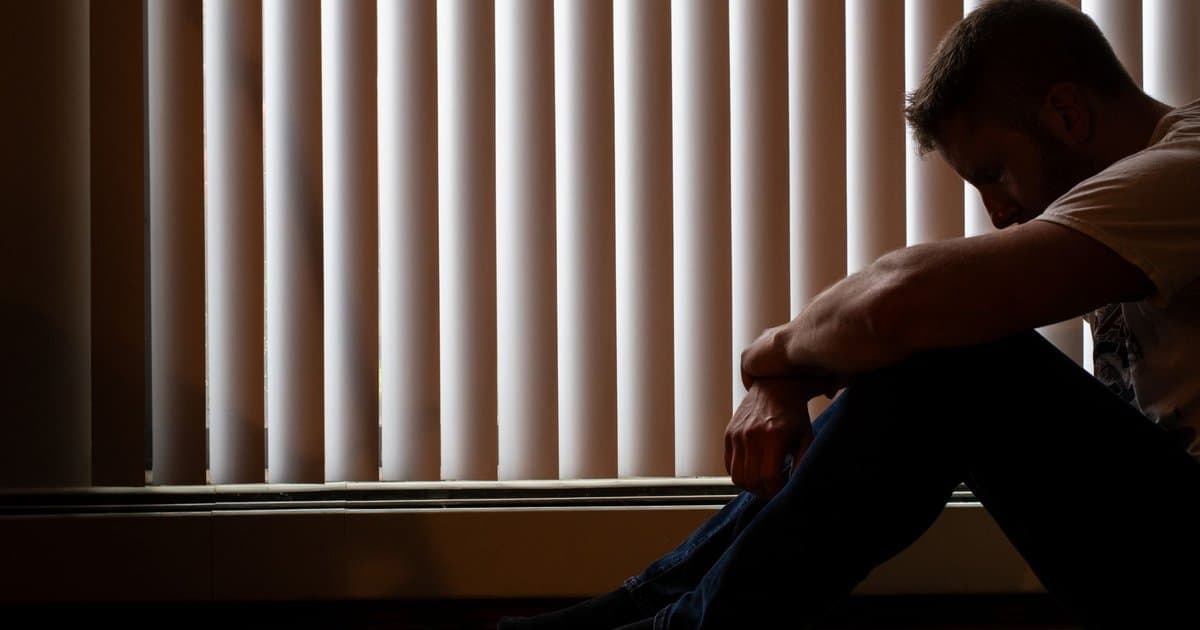
The American Psychological Association's 2024 Stress in America survey put the number at 76 percent. Three out of four working adults report some form of anxiety on Sunday evenings, with about 41 percent describing it as moderate to severe. LinkedIn's 2024 workforce confidence index reported the same band, around 80 percent of professionals under 40. The phenomenon has a name in popular culture, the Sunday Scaries, and a much older name in clinical literature, anticipatory anxiety. The pattern repeats every week and most people accept it as a feature of working life. It does not have to be.
The mechanism is well-documented. As Sunday afternoon turns to evening, the brain begins to preview Monday's demands without having the agency to act on them. Open loops from last week resurface. Cortisol, which has been dropping all weekend, starts climbing in anticipation. Heart rate variability dips. A study from the Journal of Affective Disorders in 2022 measured cortisol awakening response across Sunday and Monday mornings and found Monday's response was 31 percent higher than the rest of the week. The body, in other words, is gearing up before the alarm even goes off. Once that pattern is established, Sunday evening becomes a recurring trigger.
A few weekend behaviors compound the problem. Most adults break their sleep schedule by ninety minutes or more on Friday and Saturday nights, then try to recover by Sunday, which creates social jet lag. Alcohol on Saturday produces a measurable cortisol bump twenty-four to thirty-six hours later. Doomscrolling on Sunday afternoon, particularly LinkedIn or work-adjacent feeds, primes the threat-response system right when the brain is already drifting toward Monday. Late and heavy Sunday dinners worsen sleep quality, which then worsens Monday morning. None of these factors cause Sunday anxiety on their own. Stacked together, they almost guarantee it.
The single most effective intervention is a Friday close-out ritual. Spend the last thirty minutes of Friday writing down every open item, the top three priorities for Monday, and a clean stopping point on each project. The point is not productivity, it is closure. The brain ruminates on unfinished tasks, a pattern known as the Zeigarnik effect, and the way to short-circuit it is to externalize the task list so the brain can stop holding it. A simple notebook works. A digital tool works. Whichever one is easier to actually use on a Friday at 4:30 PM is the right one.
The second intervention is a deliberate Sunday rhythm. Wake within an hour of the weekday wake time. Get morning sunlight inside the first thirty minutes. Move the body for twenty to forty minutes by mid-afternoon, ideally outdoors and not in a workout class environment. Eat dinner at the same time most weekdays. Stop screens by 9 PM. None of these are exotic. They simply rebuild the structure that the weekend has been dismantling since Friday night, so Monday morning is not a cliff but a continuation.
A third move is harder but powerful. Do not check work email on Sunday after 6 PM. The reason is not work-life balance. It is sleep architecture. Once the brain has seen new work content, especially anything that requires a future decision, it stops winding down. Researchers at the University of Florida found that Sunday evening email checking lengthened sleep onset by an average of twenty-three minutes and reduced total sleep time by forty-four minutes. The cost is paid the entire week.
Some Sunday anxiety is information, not malfunction. If the dread is intense, persistent, and not improved by basic structure, the issue is likely not the weekend transition. It is the job. Constant Sunday dread that lasts more than a few months tends to predict resignation, and clinicians often interpret it as a leading indicator of role mismatch or burnout. In those cases, a therapist trained in cognitive behavioral therapy for anticipatory anxiety can help untangle the workplace component from the anxiety component. Some people need to change the conditions, some need to change the response, and some need both. None of them need to keep accepting Sunday night as a tax they pay every week.
The framing matters here. The Sunday Scaries are not weakness. They are the predictable output of a brain that has been gearing up for Monday all weekend with nothing concrete to land on. Build something concrete on Friday, build structure on Sunday, and most people see the pattern soften inside a month. The 76 percent number is a description of how most people work right now. It is not a fixed feature of having a job.