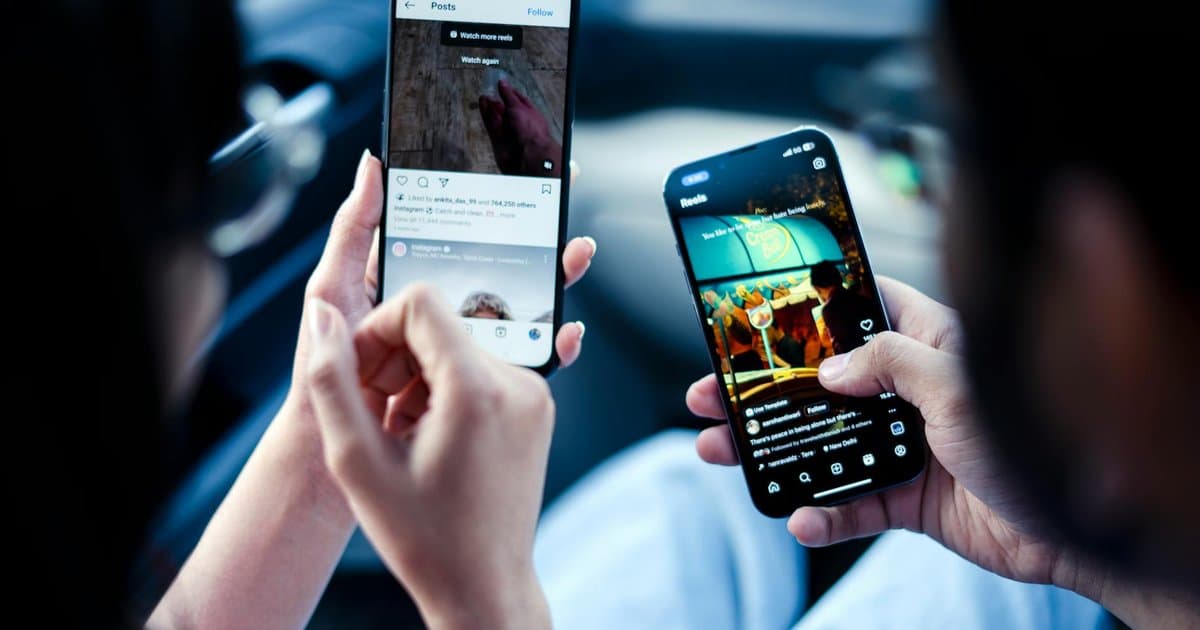
Most creators look at their Instagram and TikTok analytics, see a sharp drop in viewers between the second and fourth second of every video, and assume the algorithm is punishing them. The algorithm is not the problem. The first three seconds are. Meta's internal data, surfaced through their 2024 Reels Insights report covering 8.4 billion impressions, showed that 71 percent of viewers who exit a video do so before the four-second mark. The entire performance ceiling of your video is set in the time it takes to blink twice.
The reason this matters is how the recommendation systems weigh retention. A video that loses 71 percent of viewers in the first three seconds tells the system the content is not worth showing to a wider audience. Even if the rest of the video is incredible, the system will never push it past your existing followers. The opening becomes the gate. Everything else is downstream. Creators who never crack the first three seconds spend years stuck at the same view count, convinced something is broken at the platform level.
There is a structural reason most creators fumble the opening. They write the script before they write the hook, then they tack the hook on at the end. The hook becomes an afterthought rather than the foundation. Strong creators do the opposite. They write the hook first, get it right, and then build the body of the video to deliver on what the hook promised. That order shapes everything about the result, including pacing, length, and how the resolution lands.
There are five hook formulas that test consistently above platform averages, based on the same Meta data and supplemented by TikTok creator studio data through Q1 2026. The first is the contrarian setup, where you state a widely held belief and immediately flip it. The second is the list promise, where you front-load the value with a number. The third is the before and after, where you show a result and tease the path. The fourth is the named enemy, where you call out a specific antagonist. The fifth is the asked question, where you mirror what the viewer is already thinking. That last format is the most reliable across categories.
There is also a sound and visual layer that compounds the problem. Eighty-five percent of Instagram viewers watch with sound off, according to Meta's 2024 data. If your hook is verbal only, you have lost the majority of your audience before they hear it. The fix is captions in the first frame, visible large enough to read on a phone held at arm's length. The text needs to convey the hook regardless of audio. Sound becomes a reinforcement layer, not the carrier.
Visual movement matters too. Static openings underperform by a margin of roughly 40 percent compared to openings with motion in the first half-second. That motion can be a camera move, a quick cut, a subject entering frame, or a hand gesture. The system reads motion as engagement signal, and so does the viewer's brain. Static openings register as advertisements, and the thumb keeps moving. The motion does not need to be elaborate. It needs to start before the viewer's brain has time to categorize the video.
The headroom in your shot also matters more than people realize. Faces sit too high in most amateur frames, leaving dead space above the head and pushing key elements into the lower portion of the screen, where Instagram's interface overlay covers them. The eyes should sit in the upper third of the frame, not the upper sixth. That positioning makes the face feel close and intentional rather than distant and incidental.
The script itself should be ruthless about cutting. Most creators write hooks that are two or three sentences long. The data favors hooks that resolve in seven to ten words, with one sharp idea per hook, no setup, no context. If you have to explain why the topic matters before you state the hook, the hook is buried. Move the explanation to seconds five through eight, after the viewer has already committed to staying.
There is one more piece, which is the second hook. The drop after the first hook is not the only retention cliff. There is another at around eight to ten seconds, where viewers who stayed for the opening start to ask whether the rest is worth their time. Strong videos have a secondary hook around that mark, often a pattern interrupt, a stat, or a reframe. That second hook is the difference between a 38 percent retention video and a 64 percent retention video. Rewrite your last five hooks using the five formulas. Add captions in the first frame. Move motion into the first half-second. Build a second hook at second eight.