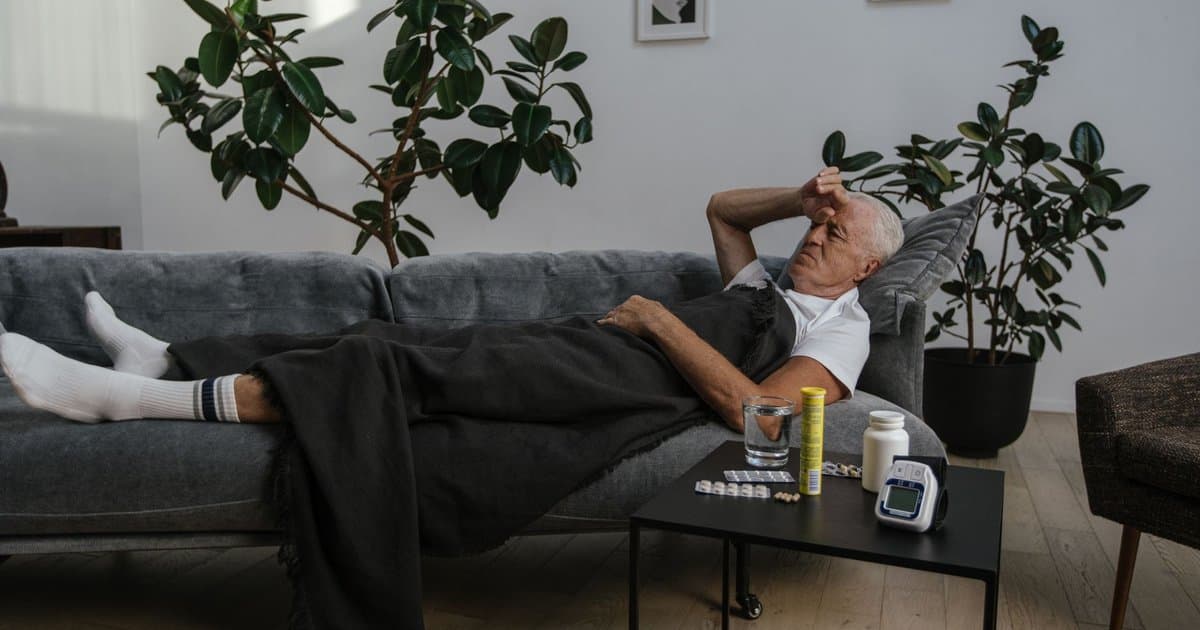
You push through a brutal stretch at work, hit the deadline, and finally exhale. Then, almost on cue, your throat gets scratchy and you spend the first day of your break in bed. It feels like a cruel joke, and plenty of people assume they simply ran themselves down. There is a real pattern here, and researchers have a name for it. It is often called the let down effect, and it tends to show up after stress ends rather than during it. Understanding why it happens can change how you handle the days right after a big push.
During a stressful stretch, your body runs on stress hormones, and the main one is cortisol. Cortisol is not the villain it gets made out to be, because in the short term it actually keeps inflammation in check. While you are under pressure, elevated cortisol can suppress certain immune responses and keep symptoms quiet. Your body is essentially prioritizing survival and performance over everything else, including fighting off a minor bug. So the cold you would normally feel might get held at bay while the pressure is on. The problem is what happens when the pressure finally lifts.
When the stressful period ends, cortisol levels fall back toward normal, and they can drop quickly. As that brake comes off, your immune system does not just return to baseline, it can rebound and become more reactive. Inflammation that was being suppressed is suddenly free to flare, and any virus you picked up gets its opening. This is why the timing feels so precise, landing on the first quiet weekend instead of the busy week before. Your body was not weaker during the stress, it was holding the line. The illness was waiting for the moment the guard came down.
This is not folk wisdom, and it has been studied in real populations. Researchers have documented flare ups of migraines, and worsening of conditions like eczema and asthma, in the days after stress resolves rather than during it. Some studies of the immune response show that the days following intense stress can leave people more open to infection. The pattern is consistent enough that clinicians who treat chronic conditions watch for it. It also fits what many people already notice about their own bodies during holidays and vacations. The science lines up with the lived experience.
This helps explain the frustrating habit of getting sick the moment a long awaited vacation starts. You spend weeks grinding toward the trip, and the day you land, your body finally lets go and the symptoms arrive. Travel adds its own load, with disrupted sleep, new germs on planes, and changes in diet and routine. Stack a sudden cortisol drop on top of that, and the first two days of paradise can be spent feeling awful. It is not bad luck, and it is not that you are fragile. It is your physiology catching up with everything you postponed.
You cannot flip a switch on your stress hormones, but you can soften the landing. The biggest lever is not treating the end of a hard stretch as permission to crash completely and abandon every healthy habit at once. Keep your sleep schedule steady in the days right after a deadline, since sleep is where a lot of immune repair happens. Stay hydrated and keep eating real food instead of running on caffeine and celebration. Gentle movement, like a walk, tends to help more than either collapsing on the couch or punishing yourself with a hard workout. The goal is a gradual step down, not a cliff.
The deeper lesson is that chronic stress carries a bill, and the bill often arrives late. If you live in a permanent state of pushing through, your body keeps writing checks it will have to cash during the rare moments you slow down. That is a sign the underlying pace is not sustainable, not just that one weekend went badly. Building small recovery windows into ordinary weeks keeps the pressure from stacking into one giant release. Pay attention to when you tend to get sick, because the timing is often telling you something. Your body keeps an honest ledger, even when you would rather ignore it.