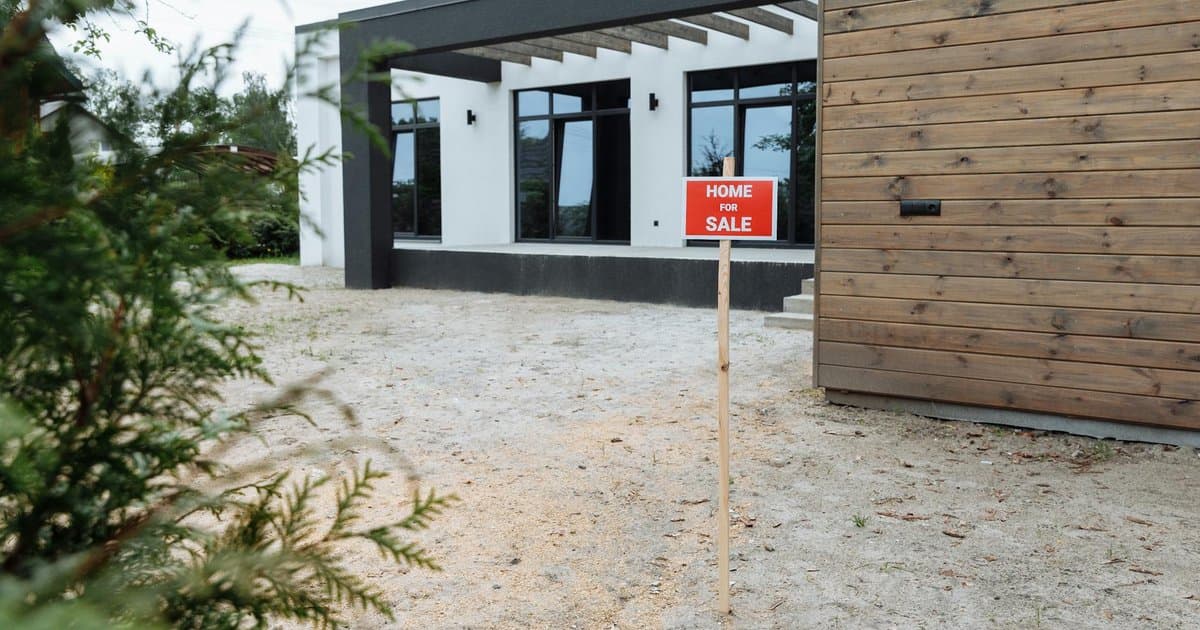
Drive through almost any neighborhood and you will see it. One house goes up for sale and disappears within a week, while another a few doors down sits with a fading sign for two months. They have similar square footage, similar bones, and the same schools and streets. Buyers assume the slow one has a hidden flaw, and sellers blame the market, the season, or bad luck. The real explanation is far more boring and far more controllable than either side wants to admit. Homes do not sell slowly because of the market. They sell slowly because of how they were priced and presented in the first ten days they were listed.
The first ten days are everything, and most sellers spend them learning the wrong lesson. When a home hits the market, it gets a burst of attention from the buyers who have been watching that area and waiting. Those people are the most motivated and the most ready to act, and they see your listing while it is fresh and exciting. If the price is right, they compete, and competition is what creates fast sales and strong offers. If the price is too high, those same buyers quietly pass, the listing goes stale, and by the time you cut the price the eager crowd has already moved on to something else. You only get one shot at being the new listing everyone is excited about.
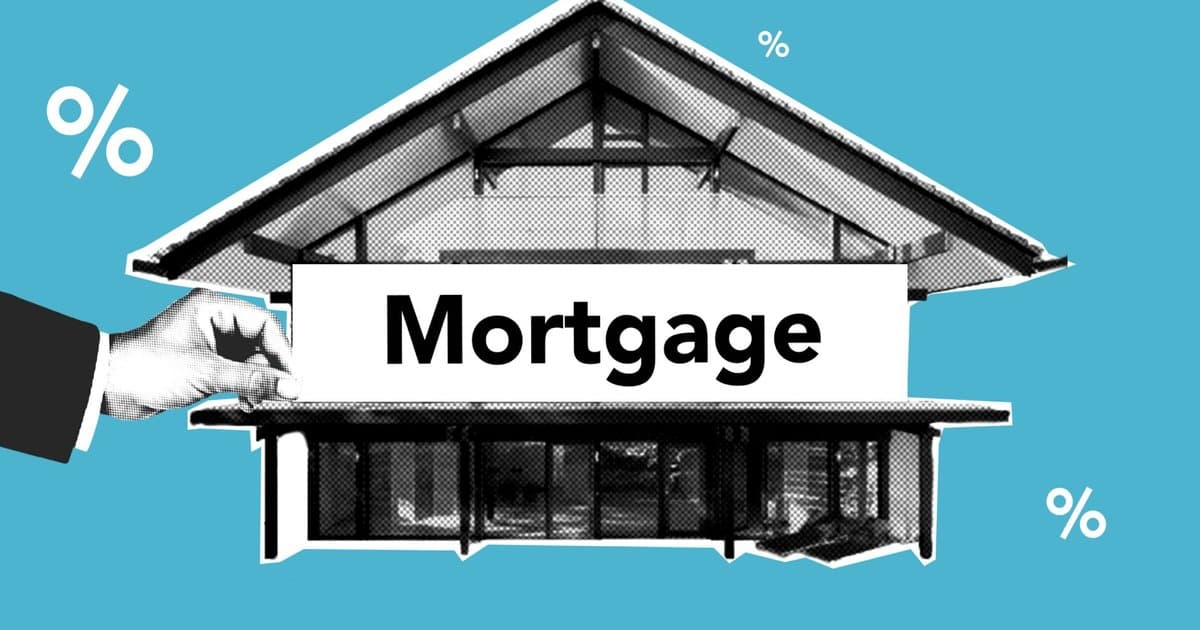
Pricing too high feels safe to a seller, which is exactly why it is so common. The logic sounds reasonable, that you can always come down later, so you might as well start high and leave room to negotiate. In practice it works the opposite way. Buyers and their agents track how long a home has been listed, and a house that lingers starts to look like a problem even when nothing is wrong with it. Price cuts then read as desperation rather than opportunity, and the offers that eventually come in are often lower than what a sharp price would have pulled on day one. The home that sold in three days frequently sold for more than the one that took three months, not less.
Condition and staging matter too, but they matter mostly through photos. The vast majority of buyers see your home online before they ever consider visiting, and they decide in seconds whether to keep scrolling. A house with dim, cluttered listing photos gets skipped no matter how nice it looks in person, because nobody books a showing for a home that photographs poorly. The fast sellers are almost always the ones that were clean, well lit, and depersonalized before the camera ever showed up. This is not about expensive renovations. It is about making sure the first impression, which happens on a screen, does not quietly knock you out of the running before a single buyer walks through the door.
There is also a timing piece that sellers oversell to themselves. Yes, spring tends to bring more buyers than the dead of winter, and listing into an active season helps at the margins. But season is a weak force compared to price, and a well-priced home sells in any month while an overpriced one stalls in the best month of the year. Waiting for the perfect week to list while ignoring the price is like polishing the hood of a car with a dead engine. The fundamentals decide the outcome, and the calendar only nudges it. Plenty of homes sell fast in January, and plenty sit untouched through a gorgeous April.
If you are selling, the practical move is to study what comparable homes actually sold for, not what hopeful neighbors are asking, and to price at or just under that honest number. Underpricing slightly feels frightening, but it often triggers multiple offers that push the final price above where a high listing would have landed. Spend your energy and a little money on clean, bright photos and a decluttered space rather than on holding out for a number the data does not support. Then watch those first ten days closely, because the level of interest in that window tells you almost everything about how the sale will go. Strong early traffic means you priced it right, and silence means you should move quickly, not wait.
The houses that sit are rarely cursed, and the houses that fly are rarely lucky. One was priced and presented to win the attention it got at the start, and the other quietly squandered it and spent weeks paying for the mistake. Knowing this does not require a special talent or insider access. It just requires treating the launch of a listing as the high-stakes moment it actually is, instead of an opening bid you can fix later. By the time you realize you got it wrong, the buyers who would have paid the most are already gone.