Drive through almost any neighborhood and you will spot the sign that has been planted in the same yard for far too long. The listing went up with energy and hope, and then nothing happened, week after week, while houses around it sold. Buyers start to wonder what is wrong with the place, and that suspicion alone makes it harder to sell. The truth is that a home sitting unsold is rarely a bad home, it is almost always a signal that something in the strategy is off. The market is constantly voting, and a long stretch with no offers is a clear message. Learning to read that message is the difference between a quick sale and a slow bleed.
The first and biggest reason is price, even when sellers swear it is not. A home priced above what buyers believe it is worth will sit no matter how nice it is inside. The early weeks of a listing draw the most attention, and overpricing wastes that window on people who click away the moment they see the number. By the time the price finally drops, the freshest and most motivated buyers have already moved on to something else. Price is the one lever that can overcome almost any other flaw, and the wrong number cancels out everything good about the property. A home priced right for its actual condition tends to find its buyer fast.
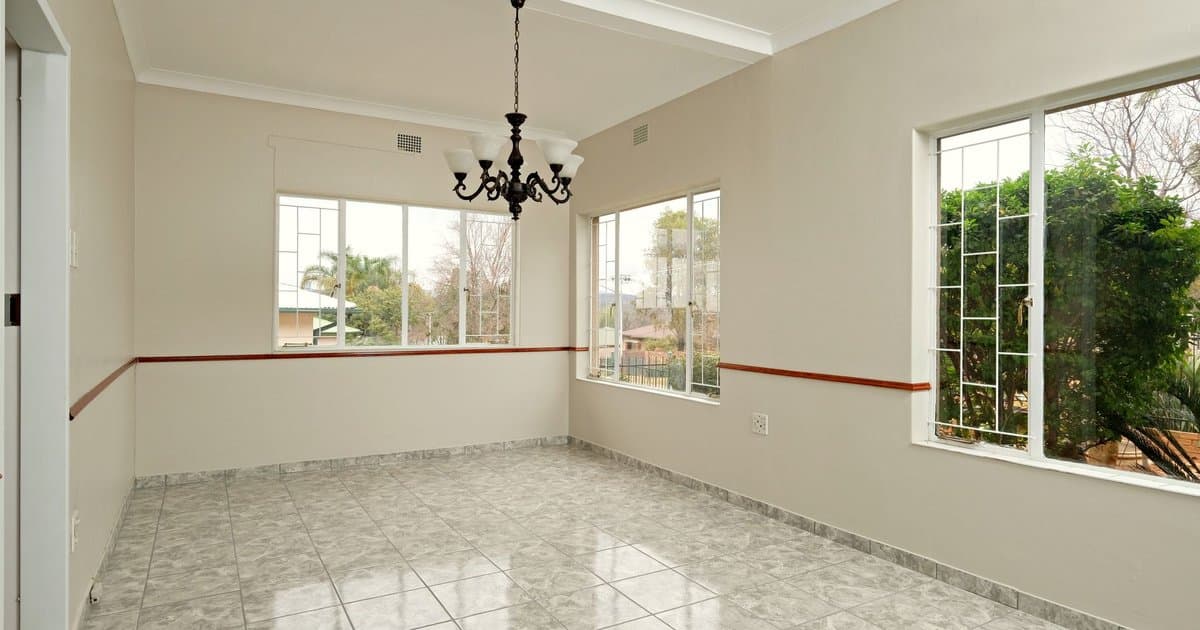
Presentation is the second reason, and it works on buyers before they ever walk through the door. Most people now shop on their phones first, scrolling through photos and deciding in seconds whether a place is worth a visit. Dark, cluttered, or poorly shot pictures quietly kill interest before a showing is ever booked. Inside, an overly personal or messy space makes it hard for a buyer to picture their own life there, which is the whole point of a showing. Clean, bright, and simple almost always beats full and busy when it comes to selling. The goal is to help a stranger imagine living there, not to show off how the current owner lives.
Condition is the third factor, and it shapes both the price buyers will pay and whether they bother at all. Deferred repairs, dated finishes, and obvious wear give buyers a reason to keep looking or to offer far below asking. Many buyers today want a home that is ready to live in, and they mentally add up every project they would have to take on. A roof near the end of its life or a kitchen frozen in another decade becomes a negotiating weapon against the seller. Some of these issues are worth fixing before listing, while others simply need to be reflected in an honest price. Pretending a home is in better shape than it is only delays the reckoning.
Timing and location round out the picture, and they are the parts a seller controls the least. A home listed in a slow season, or during a stretch of rising interest rates, faces a smaller pool of buyers through no fault of its own. A property on a busy road, near something undesirable, or in a market with too much competing inventory will naturally take longer. None of these are dealbreakers, but each one demands a sharper price and stronger marketing to offset the disadvantage. Fighting the market rarely works, while adjusting to it almost always does. The sellers who succeed are the ones who meet conditions as they are instead of as they wish them to be.
If a home has been sitting, the fix usually starts with an honest look in the mirror rather than blame on the buyers. Pull the listing photos up on a phone and ask whether they would make a stranger stop scrolling. Compare the price to what nearby homes actually sold for, not what neighbors hoped to get. Walk through as if seeing it for the first time and notice what a buyer would flag. Small changes to price and presentation often unlock offers that months of waiting never produced. A patient seller who adjusts beats a stubborn one who waits every single time.