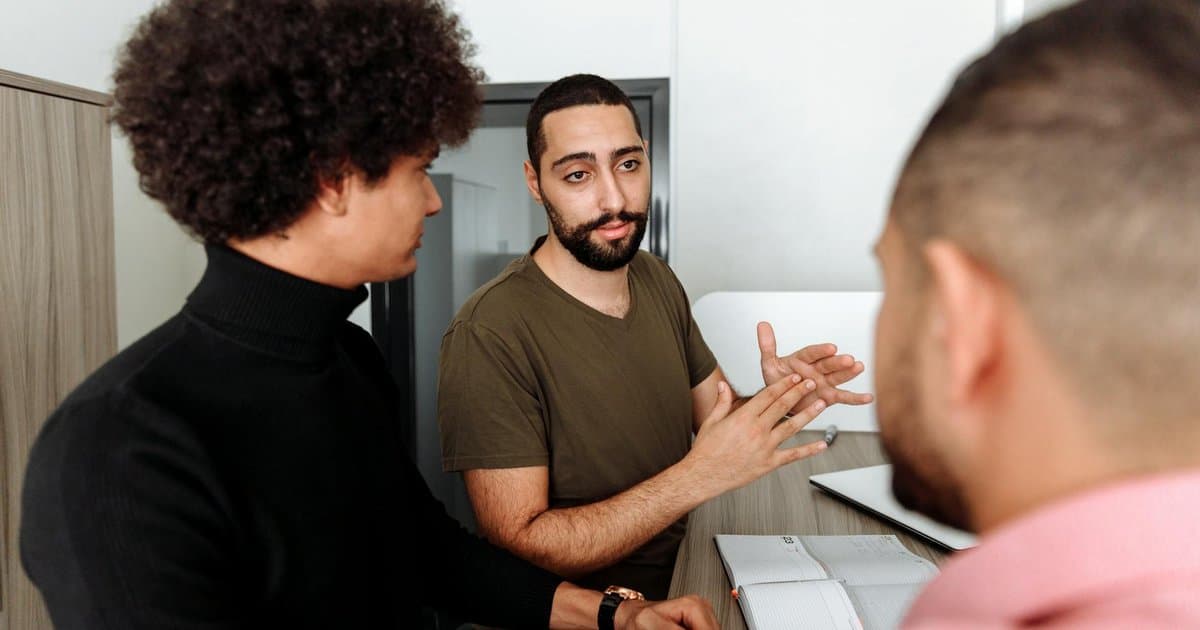
Companies spend a great deal of energy assembling diverse teams and then act surprised when the results do not follow. They hire across backgrounds, run the trainings, publish the numbers, and still watch certain groups stall out or stay quiet in the room. The easy conclusion is that diversity does not deliver what it promised, and plenty of skeptics reach for that line. The honest answer is more uncomfortable. Diversity is the raw material, not the finished product, and a team can be diverse on paper while still functioning like a homogeneous one. The question worth asking is what turns a mix of people into a team that actually outperforms.
The research keeps landing on the same answer, and it is not glamorous. The single biggest factor separating high performing diverse teams from struggling ones is psychological safety, the shared sense that you can speak up, disagree, ask a basic question, or admit a mistake without being punished for it. Without it, difference becomes a liability rather than a strength. The person with the unusual perspective learns to keep it to themselves. The newer voice defers to the louder one. The whole point of diversity, which is the friction of different views meeting, never gets to happen because nobody feels safe enough to create it.
This is where many inclusion efforts quietly miss. They focus on getting people in the door and forget to change what happens once they are inside. You can hire a team that looks like the whole world and still run meetings where only three people ever talk. You can celebrate representation in the annual report while the day to day culture rewards agreement and punishes pushback. Representation gets people to the table. Safety is what lets them actually use their seat. One without the other produces the strange outcome of a diverse group that thinks like a single person.
The mechanism is not complicated once you see it. People bring their best thinking only when the cost of being wrong feels survivable. In a team without safety, the math is simple and brutal. Staying quiet protects you, speaking up exposes you, so the rational move is silence. That instinct is even sharper for people who already feel like outsiders, who carry the extra weight of wondering whether a stumble will confirm someone's low expectations. The very people a diverse team was built to learn from are often the ones least likely to risk speaking, unless the room makes it clearly safe.
Building that safety is less about grand gestures and more about small, repeated signals from whoever holds power in the room. Leaders who say I do not know, who thank people for disagreeing, and who respond to a mistake with curiosity instead of blame teach everyone what the rules really are. Spreading airtime on purpose matters too, because a meeting where the same voices dominate trains everyone else to hold back. Asking the quiet person directly, and then actually using what they offer, does more than any poster about inclusion ever could. These moves cost nothing but attention, and they reset the math from silence toward contribution.
It is worth being concrete about what an unsafe team actually looks like day to day, because it rarely announces itself. Meetings end with everyone nodding, and the real objections get aired in the hallway afterward instead. New ideas die quietly, not because anyone attacks them, but because raising one feels like sticking your neck out for no reward. Mistakes get hidden rather than surfaced, which means small problems grow into expensive ones before anyone admits them. People stop asking questions, so the same misunderstandings keep repeating. On the surface the team can look calm and agreeable, which is exactly why leaders so often miss the problem. They mistake the absence of conflict for health, when it is really the silence of people who have quietly decided that speaking up is not worth the risk. A genuinely safe team often looks messier from the outside, with more open disagreement and more admitted uncertainty, and that messiness is the sound of a group actually using everyone in the room.
So the next time a diverse team is not delivering, resist the lazy verdict that diversity failed. Look instead at whether anyone has built the conditions for difference to do its work. A group of varied people in an unsafe room will perform like a cautious, narrowed version of itself. The same group in a safe room will surface the ideas, objections, and angles that no single background could have produced alone. Diversity sets the ceiling on what a team could become. Safety decides how close it gets. Treat them as one project, because separately neither one is enough. The companies that figure this out stop asking whether diversity works and start asking whether they have built a room where it can.