A generation ago a kid could play three sports a year, ride a bike home from practice, and still make varsity in high school. Today the average American child quits organized sports for good around age eleven, and by thirteen the dropout curve goes nearly vertical. The Aspen Institute Project Play tracks this every year and the trend has not reversed despite billions of dollars flowing into youth sports infrastructure. The question is not whether kids still love to play. The question is what the adults running the system have done to make playing feel like work.
Year round specialization is the first cause and the easiest to name. Travel teams in basketball, soccer, baseball, volleyball, and increasingly lacrosse and hockey now run ten to twelve months a year with weekend tournaments, paid coaching, mandatory practices, and showcase events that promise college exposure. A nine year old who shows talent in one sport gets pulled into that single track by parents and coaches who fear losing the spot, the scholarship pipeline, or the social group. By twelve, that kid has played one sport almost every weekend for three years. The body is overused, the brain is overworked, and the sport that once felt like freedom now feels like a job they did not apply for.
The injury data tells the same story from a medical angle. Tommy John surgeries in pitchers under eighteen have climbed sharply over the past two decades, and orthopedic surgeons now see ACL tears, stress fractures, and chronic overuse injuries in children that used to be reserved for college athletes. The American Academy of Pediatrics has recommended for years that kids take at least three months off from any one sport per calendar year and play multiple sports through middle school. Most travel programs ignore that advice because the business model depends on continuous participation, season fees, and tournament travel.
The cost question matters too. The same Aspen Institute research has found that families in the top income quartile spend more than three thousand dollars per child per year on a single sport when travel, tournaments, equipment, and private coaching are added up. Families in the bottom income quartile cannot sustain that spend and drop out of organized sports almost completely by middle school. The kids who keep playing are increasingly the kids whose parents can write large checks, and the rec leagues that once served everyone are emptying out. Youth sports has quietly become one of the most economically segregated parts of American childhood.
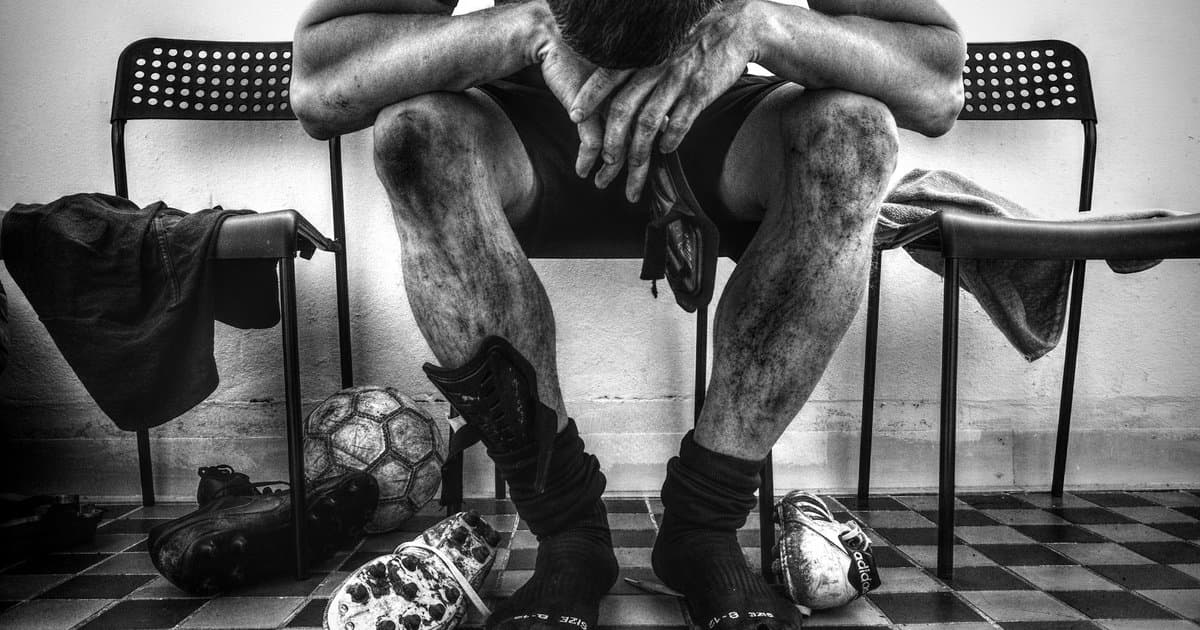
Burnout is the third driver and it is more emotional than physical. Kids who hit puberty around eleven or twelve start to notice that their bodies, their friend groups, and their interests are changing. A child who was identified at age eight as the soccer kid, the baseball kid, or the dancer often discovers that the identity no longer fits, but the schedule, the coaches, and the family investment will not let them step back without conflict. Quiet quitting in youth sports often looks like a sudden injury, a fight with a coach, or a refusal to get in the car on Saturday morning. The underlying signal is the same. The fun ran out two years before the kid had the language to say so.
There is a better model and several places are already running it. Norway requires all youth sports clubs to follow the Children's Rights in Sport framework, which bans national rankings and championships under age thirteen, caps weekly practice hours, and protects the right to play multiple sports. Norway also produces a striking number of Olympic medalists per capita, which suggests that delaying intensity does not cost a country its top athletes. Many United States high school coaches now openly prefer multi sport athletes, citing better movement skills, lower injury rates, and stronger team chemistry compared to early specializers who arrive burned out by ninth grade.
Parents have more power here than the system pretends. The right move is unglamorous and unpopular in the parking lot conversation. Cap your kid at one tournament weekend per month at most through middle school. Insist on three months off the primary sport each year. Encourage a second or third sport, even informally. Resist the showcase pitch about exposure and scholarships, since fewer than two percent of high school athletes earn any athletic money for college. The goal at eleven is not to make a college roster. The goal is to keep a kid in a body that moves, a friend group that meets weekly, and a relationship with sport that lasts the rest of their life. Lose that at thirteen and most kids never come back.