There is a belief that lives in almost every gym. If a set does not end with you failing on the bar, it did not count. People grind out that last ugly rep, arms shaking, and treat the moment as proof the workout was real. Trainers who sell intensity love this idea because it feels like effort, and effort sells. The truth is more boring and far more useful. You do not need to reach failure on most sets to build muscle, and chasing it every single time can hold you back without you ever noticing.
Muscle grows mainly from getting close to your limit, not from crossing it. The last few reps before failure, the ones where the bar slows and the effort spikes, are where most of the signal comes from. Research on training near failure shows that stopping with one to three reps left in the tank produces gains that match training to absolute failure in most cases. The difference is what it costs you. Failure burns through your recovery, taxes your nervous system, and makes the next set and the next day harder. You pay a higher price for the same reward.
The tricky part is knowing where failure actually sits without hitting it. A simple gauge is to ask, at the end of a set, how many clean reps you had left. If the honest answer is two or three, you trained in the right zone. Most people are worse at this than they think and tend to stop far earlier than real failure, so a little calibration helps. Film a set once in a while and watch where your bar speed drops off. Over time you learn the feeling of one or two reps in reserve, and you stop needing to gamble your joints to find it.
Form is the first thing to break when you push past your limit. The reps that come after true failure are rarely clean. Your hips shift, your back rounds, your range shortens, and the muscle you were trying to train hands the work off to everything around it. That is how people tweak a shoulder on a press or feel their lower back light up on a row. The rep looks impressive and teaches your body a sloppy pattern at the same time. Quality reps near failure build more than ugly reps at failure ever will.
There is also the fatigue you cannot see. When you take every set to the wall, the damage piles up across a week. Your sleep takes a hit, your joints start to complain, and your numbers stall even though you are working harder than ever. Many people who feel stuck are not undertraining at all. They are training too hard on the wrong sets and leaving nothing in reserve for the lifts that actually matter. Backing off the gas on most sets often breaks a plateau faster than piling on more weight.
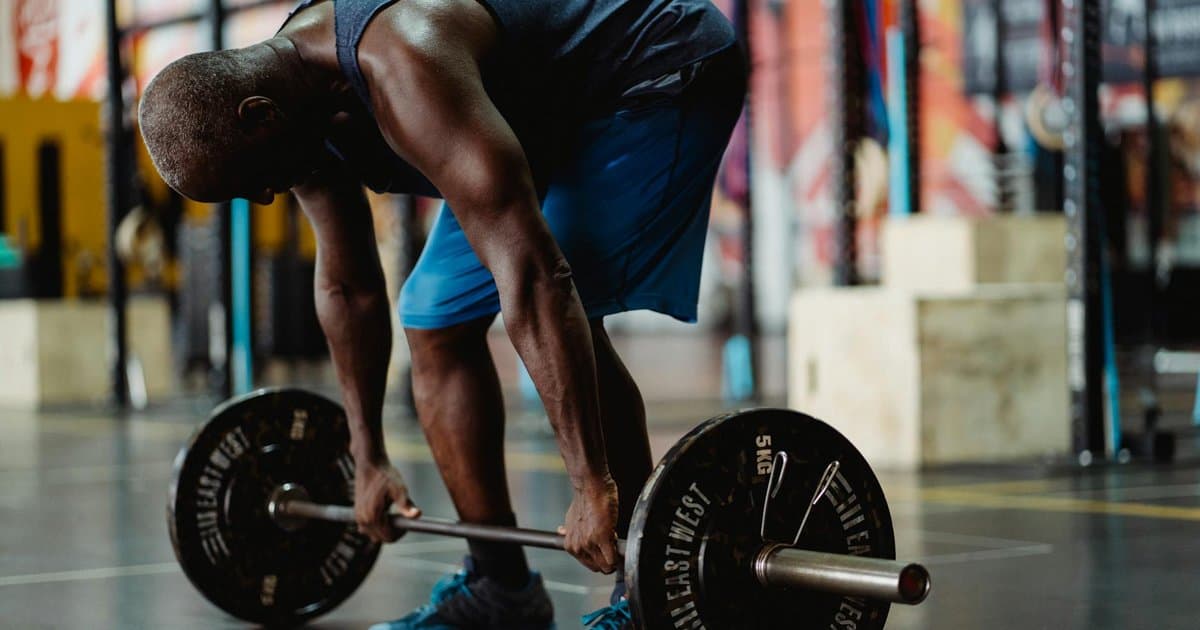
This does not mean failure has no place. It is a tool, and like any tool it works best in small doses. Save it for the last set of an exercise, when there is nothing after it to protect. Use it on machines and isolation moves where a missed rep is safe, not on a heavy squat or a deadlift where failure can put you on the floor. One hard set taken to failure at the end of a movement gives you the benefit without spreading the cost across your whole session. The rest of your sets should feel strong, controlled, and stopped a beat early.
It also matters where you are in your training. A beginner does not need failure at all, because almost any honest effort drives progress in the early months, and pushing to the limit mostly just adds soreness and risk. An advanced lifter who has stalled for a long time may reach for failure more often, because the margin for new growth is thinner and the body needs a sharper signal. Even then it stays a seasoning, not the main dish. The mistake most people make is training like an advanced lifter chasing the last few percent when they are actually a beginner leaving easy progress on the table. Match the intensity to your level and most of the guesswork disappears.
The honest version of progress is less dramatic than the gym wants it to be. Show up, pick a weight you can move well, and stop most sets with a rep or two still in you. Add a little weight or an extra rep when the work starts to feel easy. Push to failure rarely and on purpose, never out of habit or pride. Do that for a few months and your numbers climb while your body stays in one piece. The people who train this way tend to be the ones still lifting hard years later, and that staying power is the part no one is trying to sell you.