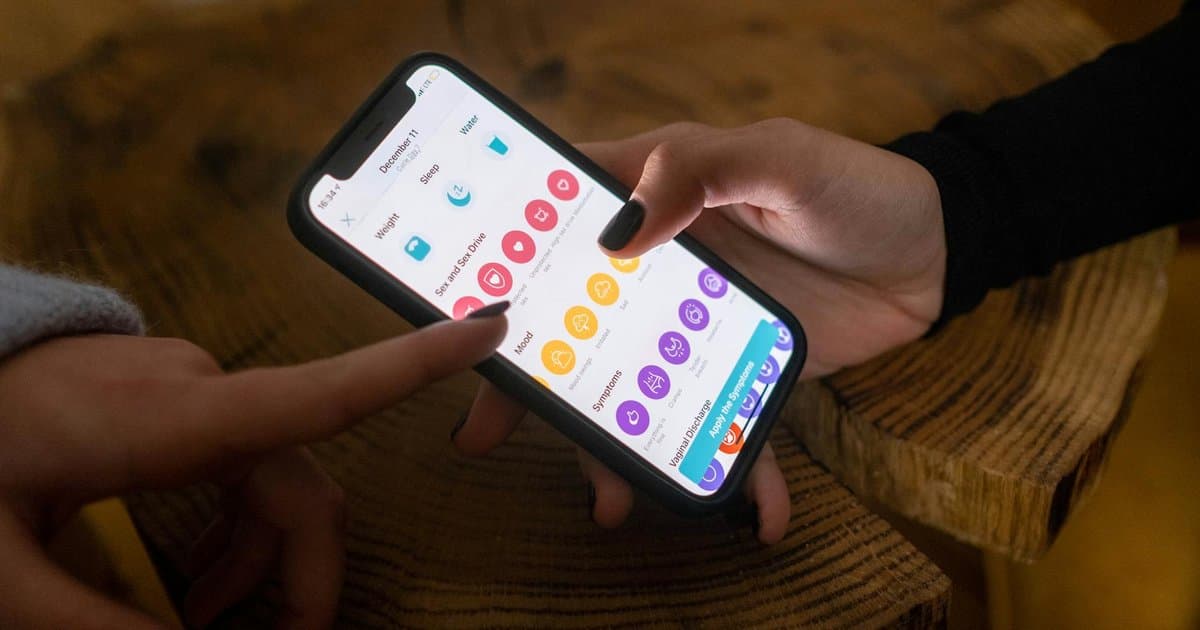
Open any app store and you will find dozens of apps promising to lower your anxiety. They use soft colors, gentle voices, and the kind of language that makes you feel understood before you have paid a cent. Most of them work on a subscription, somewhere between forty and seventy dollars a year. The download numbers are enormous and still climbing. People are clearly looking for help, and these tools are easy to reach at two in the morning when a real appointment is weeks away. That access is real and it matters. The question worth asking is what you are actually getting for the money.
Talk to clinicians who treat anxiety every day and you hear a more measured story than the ads tell. The breathing exercises, the guided grounding sessions, and the short lessons drawn from cognitive behavioral therapy are the parts with real backing. Slowing your breath does calm your nervous system. Naming a thought and questioning it does loosen its grip over time. These are not tricks invented by a software company. They are decades-old techniques that happen to translate well to a screen. The app did not create the value. It packaged a method that already worked and made it convenient.
Here is the part the marketing tends to skip. An app cannot tell when you are getting worse. It does not notice that you have stopped sleeping, that your worry has narrowed into a single fear, or that you are using the breathing exercises to avoid the thing you actually need to face. A trained person catches those signals and adjusts. Software just serves the next session in the queue. For mild, everyday stress, that gap rarely matters. For anxiety that is starting to run your life, that gap is the whole point of treatment, and no subscription closes it.
There is also a quieter problem with how these apps are designed. They are built to keep you opening them, because that is how subscription products survive. Streaks, daily reminders, and progress badges all push you to return. For a fitness app that loop can be harmless. For an anxiety app it can quietly teach you that calm lives inside your phone, that relief is something you reach for rather than something you build. The healthier goal is the opposite. You want to need the tool less over time, not more, and an app has little reason to want that for you.
None of this means you should delete them. Used with clear eyes, an anxiety app can be a real help, especially as a bridge while you wait for care or as a way to practice skills between sessions. The trick is to treat it like a workbook and not a therapist. Pick one or two exercises that genuinely settle you and use those instead of grazing through every feature. Turn off the streak pressure if it makes you anxious about the anxiety app, which happens more than you would think. Pay attention to whether you feel steadier across weeks, not just calmer for the ten minutes after a session.
Watch for the signs that you have outgrown what an app can do. If your worry is interrupting work, sleep, or relationships, if you are avoiding places or people, or if the same fear keeps circling no matter how many sessions you complete, that is information. It means the problem has moved past what a recorded voice can reach. A real provider is not a failure or a last resort. It is the appropriate tool for a heavier load, the same way you would see a doctor for a pain that does not go away on its own.
It also helps to know what to look for before you pay. The strongest apps lean on methods with research behind them, like cognitive behavioral exercises and structured breathing, rather than vague promises of instant calm. Check whether the app explains where its techniques come from, because the good ones are not shy about it. Look at the privacy policy too, since you are handing over notes about your worst moments and not every company treats that data carefully. Free trials are worth using fully before a subscription renews, so you can tell whether the tool actually fits how your mind works. A few minutes of this homework saves you from paying for polish instead of substance.
The honest summary is simple. Anxiety apps are useful, affordable, and available when nothing else is, and the techniques inside the good ones are sound. They are also limited by design, blind to your worsening, and built to keep you coming back. Knowing both halves of that picture lets you use one without expecting it to be something it is not. Calm is not a feature you unlock. It is a set of skills you practice, and the app, at its best, is just a place to rehearse them until they are yours.