A big refund check in the spring feels like free money, and that is exactly the problem. The IRS is not going to send you a note explaining what really happened. What happened is simple. You overpaid your taxes every single paycheck for twelve months, and the refund is the government returning your own money to you without a dime of interest. If you got back three thousand dollars this year, that means about two hundred and fifty dollars a month left your check that did not need to. You could have had that money the whole time.
Most people treat the refund as a yearly bonus, and the marketing around tax season encourages that feeling. But think about what an interest-free loan actually means for the person giving it. You loaned the federal government your cash, it held that cash, it earned whatever it earns, and it gave you back the exact amount with nothing added. If a friend asked to borrow two hundred dollars a month and pay you back a year later with zero interest, you would probably say no. Yet millions of people do this automatically through their withholding, and they do it because the default settings on a W-4 form rarely match their real situation. The form is not designed to maximize your take-home pay. It is designed to make sure the IRS gets enough, and a little extra is safer for them than a little short.
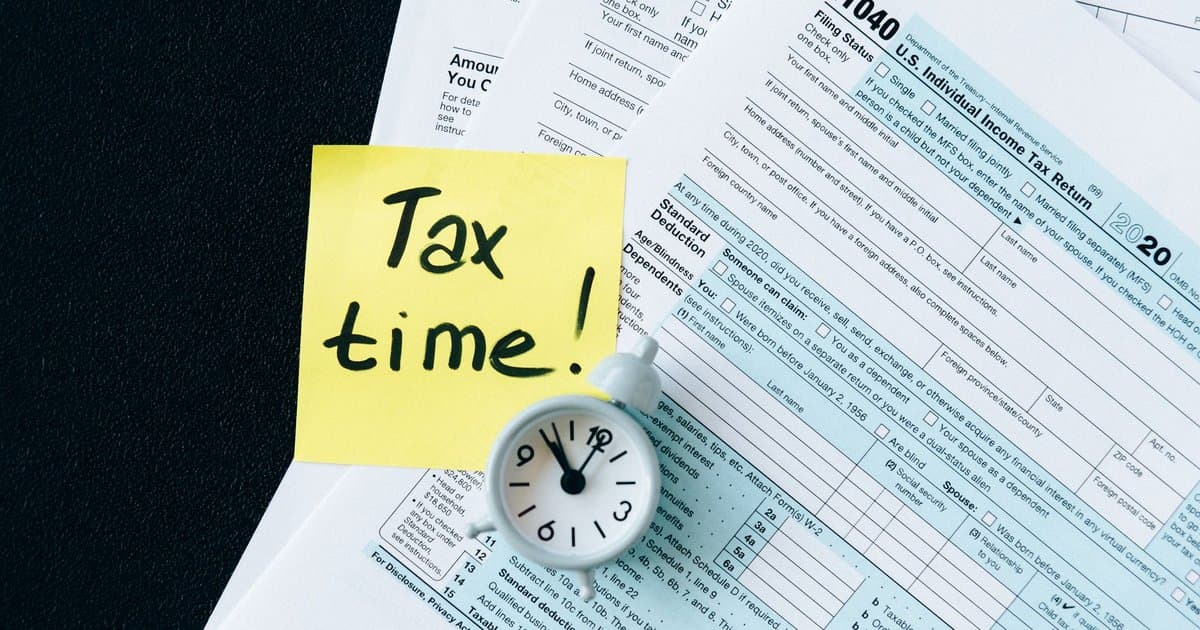
The fix is your W-4, and you can change it any time, not just in January. The form asks about dependents, other income, and adjustments, and the numbers you put there decide how much comes out of each check. If you consistently get a large refund, you are very likely claiming too little and over-withholding. The IRS even publishes a free tax withholding estimator on its own website that walks you through your pay, your filing status, and your expected deductions, then tells you what to put on the form. It takes about fifteen minutes. Once you submit a new W-4 to your employer, your next paycheck reflects the change, and the money that used to disappear into withholding stays with you. The goal is to land close to zero at tax time, owing a little or getting a little back, not thousands.
There is one honest caveat, and it matters. Some people use the over-withholding on purpose because it forces them to save, and they would rather get a lump sum than trust themselves to set money aside each month. That is a real reason, and if a forced refund is the only way you build any cushion, it beats spending it all. But there is a better version of that same discipline. Take the amount you were over-withholding, set up an automatic transfer for that exact dollar figure into a high-yield savings account on payday, and let it earn interest instead of sitting at the Treasury for free. You get the same forced-savings effect, you keep full access to the money if an emergency hits, and at current rates a few thousand dollars can earn real interest over a year instead of nothing. The point is not to spend the extra take-home pay. The point is to control it. Run the estimator, adjust your W-4, and decide for yourself where your money sits instead of letting a default form decide for you.
If you owe a large amount at tax time instead of getting a refund, the same tool works in reverse and helps you avoid an underpayment penalty, so it is worth running either way. Check your withholding after any big life change too, like a new job, a marriage, a baby, or a second income in the household, because each of those shifts your real tax picture. Self-employed people and anyone with significant side income face a different version of this through quarterly estimated payments, and getting those right keeps you from a surprise bill or a penalty. None of this requires an accountant for a typical W-2 household. It requires fifteen minutes, the free estimator, and a willingness to treat your paycheck like the asset it is. The refund was never a gift. It was always your money, and now you know how to keep more of it working for you instead of for someone else.