I want to talk about something real.
The economy has been a strange conversation for the past few years. The numbers look one way and people's actual lives look another. You hear that unemployment is low and the market is doing fine, and then you talk to people who are working two jobs and still can't cover their bills. Both things are true at the same time. That's what makes this moment hard to make sense of.
Inflation is the clearest example. The rate of inflation slowing down is not the same as prices going back to where they were. When people say inflation is cooling, they mean prices are going up more slowly. The prices that already went up are not coming back. Your groceries, your rent, your insurance — those are staying where they are. So people who felt the pinch two years ago are still feeling it, even if the official numbers suggest things have improved.
What's actually happening is a split. Some people are doing fine. The stock market has rewarded investors. People who own homes have seen significant appreciation on paper. But for people who are renting, who aren't investing, who are living paycheck to paycheck, the recovery that gets talked about on television hasn't touched their lives yet. The data and the experience are telling two different stories depending on where you're standing.
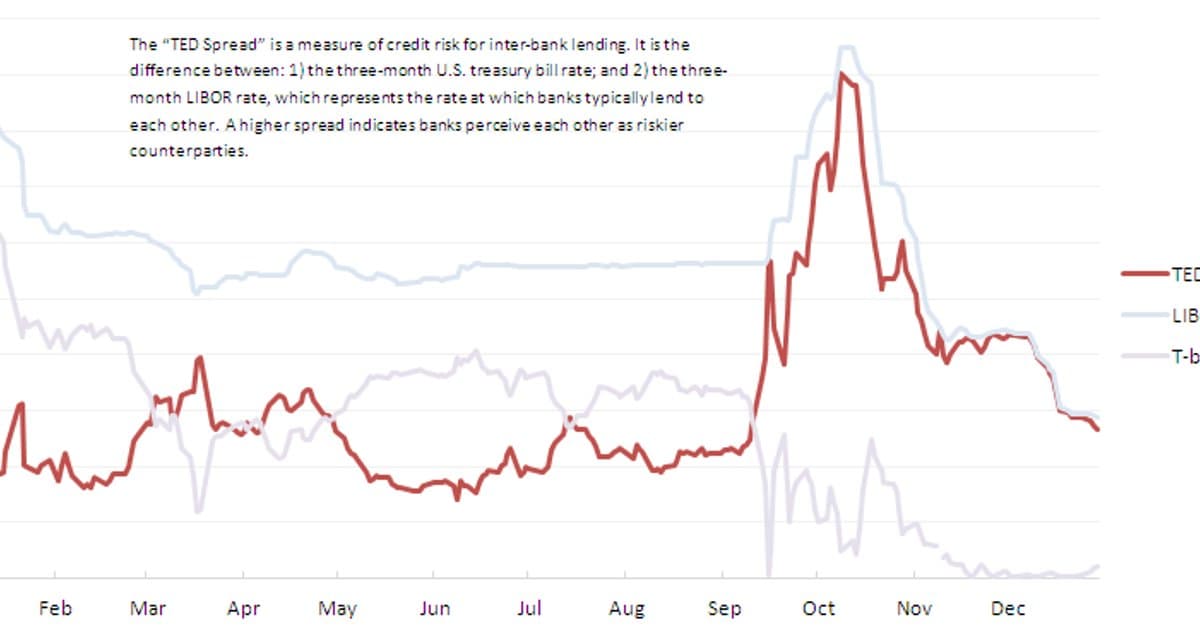
Interest rates have been high, which affects everything from mortgages to small business loans to credit card balances. If you're carrying a balance, you know what I mean. The cost of borrowing went up significantly and stayed up. That hits businesses that need capital. It hits families trying to buy homes. It hits first-generation wealth builders who don't have existing assets to fall back on.
Here's what I think matters for regular people navigating this moment. First, stop comparing yourself to what the news says the average person is doing. The average hides too much. Second, protect your income. This is not the moment to take big unnecessary risks with your employment or cash flow. Third, if you have any ability to cut expenses and build a cushion, do it now. Not because disaster is coming. Because having a cushion changes how you make decisions under pressure.
The economy will shift. It always does. Your job is not to predict it but to make sure you're positioned to absorb whatever comes without it taking you out.
Stay informed. Stay grounded. And don't let the noise panic you into paralysis.