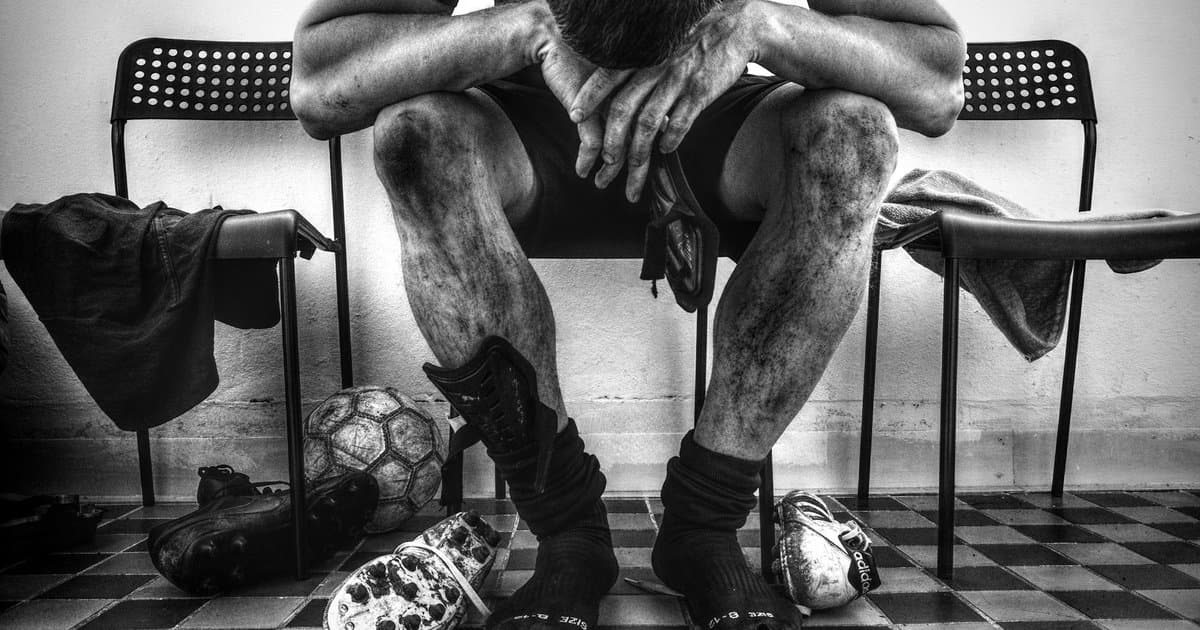
The athlete who trains every day looks committed. They post about it. They wear it like a badge. Coaches sometimes praise it because it reads as discipline. Behind the scenes, though, the people who actually study athletic performance keep landing on the same point. Rest is not the opposite of training. It is part of training, and skipping it for long enough turns into a real cost that shows up in your numbers, your sleep, your bones, and your career.
The cleanest research on this comes out of the chronic overtraining literature. A 2018 review in Sports Medicine looked at endurance and team athletes across eighteen studies and found that when planned recovery dropped below one day per seven, performance metrics like time trial pace and vertical jump declined inside three weeks. Resting heart rate climbed by an average of seven to eleven beats per minute. Self-reported sleep quality dropped. Hormone profiles shifted in a way that looks a lot like clinical burnout, with cortisol staying elevated through the morning instead of tapering. Athletes felt tired and assumed they needed to train harder to push through it. The data showed the opposite. They needed time off.
The most expensive cost is structural. Bone remodeling does not happen during the workout. It happens during the rest. Loaded training breaks down tissue and creates a stress signal. The body responds by laying down stronger material, but only if there is enough recovery time to do the lay down. Skip rest days for long enough and you get the breakdown without the rebuild. The result is stress fractures, tendinopathy, and the long, demoralizing injuries that take athletes out of competition for six to twelve months. Most of those injuries are not freak accidents. They are the body finally tapping out after weeks of being asked to repair on no time.
There is also a sleep cost that compounds quietly. Athletes who train without rest days tend to push training into the same window where they would otherwise be winding down. Heart rate stays elevated late into the evening. Core body temperature drops more slowly than it should. Sleep onset takes longer, and the deep sleep that actually drives recovery shrinks. You end up in a loop. You train hard because you feel slow. You sleep poorly because you trained hard. You feel slower the next day. The athletes who plan one to two full off days a week tend to break that loop and report waking up genuinely refreshed for the first time in months.
The competitive piece matters too, even if you are not chasing podiums. Elite coaches in track, cycling, and powerlifting have moved away from the everyday model. The Norwegian endurance teams, who have produced some of the strongest results in the world over the last decade, plan their athletes around polarized training with deliberate down weeks every fourth week and at least one easy day every seven. Powerlifting programs like 5/3/1 have built in deload weeks for over fifteen years. CrossFit Games athletes plan recovery blocks between competition cycles. The pattern is the same across sports. Hard, easy, off. Repeat. Athletes who break that cycle eventually lose ground to the ones who respect it.
The mental cost is the one nobody talks about. Athletes who skip rest days tend to lose their relationship with the sport over twelve to twenty-four months. The training stops feeling like play and starts feeling like a job they cannot quit. Motivation drops. Bad days at practice carry into bad days at home. Coaches start to see attitude problems where the real issue is exhaustion. The athlete who burns out at twenty-two often did not have a talent problem. They had a recovery problem, and nobody around them was brave enough to enforce a day off.
The takeaway is not that one missed rest day will ruin you. It will not. The takeaway is that the habit of skipping them, weeks in a row, costs you measurable performance, real recovery, and probably your next season if you keep it up. Put one full off day on the calendar this week. Do nothing. No active recovery walk. No long stretch session. No mobility flow. Sleep in. Eat normally. Read a book. The next training day will feel different in a way you have not felt in a while, and that is the proof you needed.