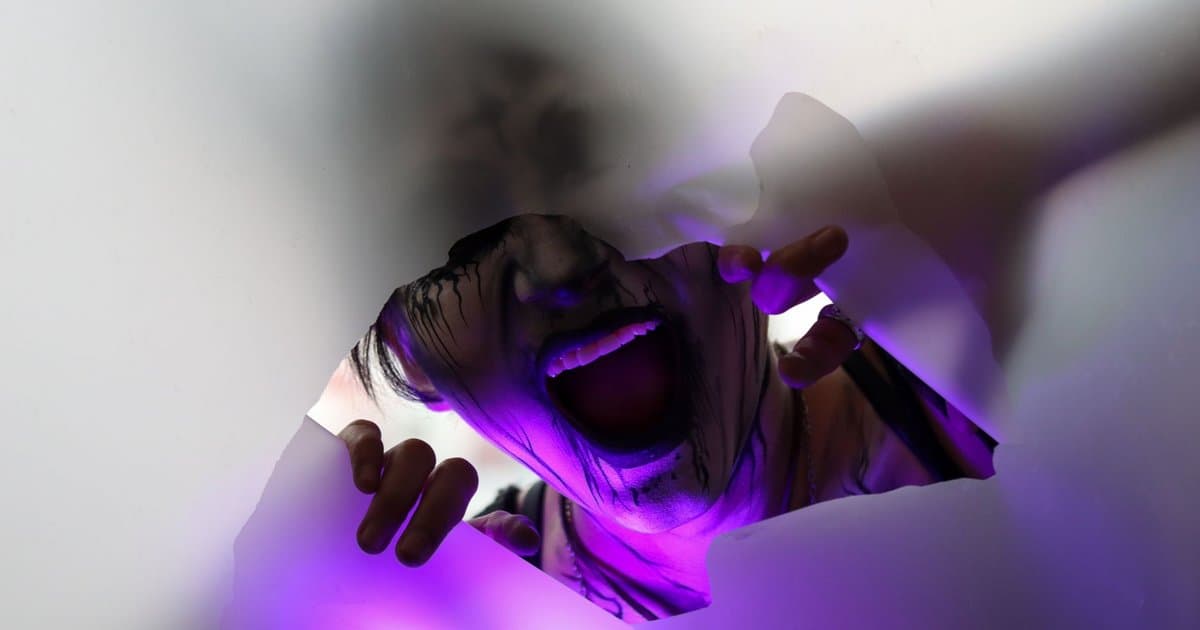
People assume the shoot is where the magic happens. The lights, the talent, the camera rolling, that is the part everyone pictures when they think about making video. The truth is that the shoot is closer to gathering raw material than to telling a story. What you capture on set is a pile of clips, takes, and angles, most of which will never make the final cut. The real shape of the piece gets built afterward, in quiet rooms, over hours that nobody films. If you only ever see the polished result, you would never guess how much of the work lives on the other side of the camera.
The first thing that happens after wrap is far less exciting than it sounds. Footage has to come off the cards and get backed up in at least two places before anything else moves. Files get renamed, organized into folders, and logged so that finding a specific moment later does not turn into a treasure hunt. A careful editor will watch everything once just to take notes, marking the takes that landed and the ones that fell flat. This pass is slow and unglamorous, and skipping it is how projects fall apart three days before a deadline. Good organization at this stage is invisible when it works and catastrophic when it does not.
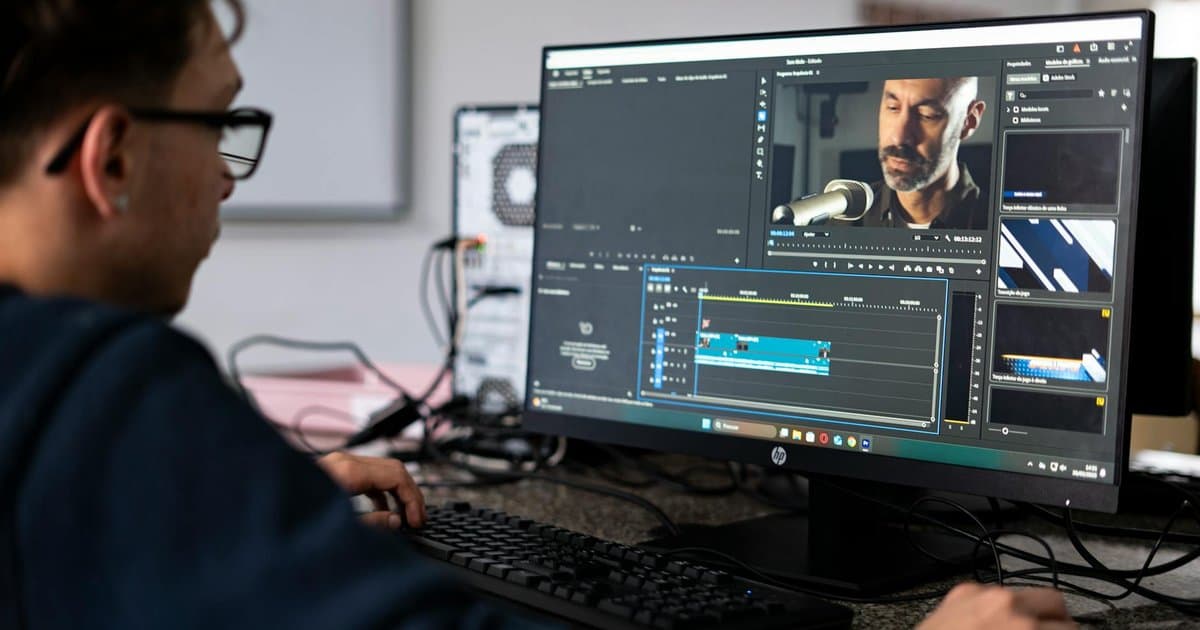
Then comes the part that actually decides whether the piece is any good, the edit. Editing is not about adding effects or fancy transitions, despite what the software ads suggest. It is about choosing what to keep and, more importantly, what to throw away. A strong editor cuts the moments that drag, reorders scenes so the story flows, and finds the pace that holds attention. The same footage can become a tight, gripping three minutes or a slow, forgettable eight, depending entirely on these decisions. This is where two people with identical clips end up with completely different results, and it is the most underrated skill in the whole process.
Sound is the silent partner that almost nobody notices until it is wrong. Raw audio from a shoot is rarely clean, with room echo, background hum, and uneven levels between speakers. An editor balances those levels, removes the distractions, and often layers in music and ambient sound to set the mood. People will forgive shaky footage far more readily than they will forgive audio they have to strain to hear. Color work follows a similar logic, since the footage straight out of the camera usually looks flat and lifeless. A careful color pass gives everything a consistent look and quietly tells your eye how to feel about each scene.
After the first version exists, the back and forth begins, and this stage tests everyone's patience. The first cut is almost never the final cut, because the person who ordered the work sees it with fresh eyes and wants changes. Some notes sharpen the piece and some pull it in circles, and part of the craft is knowing the difference. Each round of revisions means re-exporting, re-watching, and checking that one fix did not break something else. Files get versioned carefully so nobody loses track of which cut is current. By the time the final export renders, the piece has often been rebuilt several times over in ways the audience will never detect.
So when you watch something clean and effortless, remember that effortless is the whole illusion. The shoot might take a day, but the work that makes it watchable can take three or four times as long. None of that labor shows up on screen, and that is exactly the point, because the goal is to make the seams disappear. The next time a video holds your attention from start to finish, know that someone made hundreds of small, invisible choices to keep you there. The camera gets the credit, but the story is built long after it stops rolling. That quiet, patient work is the part worth respecting, even though it is the part you will never see.